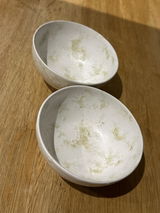

Takahama ware
Takahama ware is a kiln set at Takahama, where the white beaches of the west coast of Amakusa run on.
Behind its making lies the quarrying of Amakusa pottery stone, which has gone on since the middle of the sixteenth century.
Amakusa pottery stone has long been used as the main raw material for the porcelain that represents Japan: Arita ware, Imari ware, Mikawachi ware and more.
In the Edo period Hiraga Gennai is said to have praised it as "a clay for ceramics, a material without equal under heaven," so marked is the white, translucent beauty of the surface it produces. It is also a very unusual stone, in that porcelain can be made from that one stone alone.
In 1762 Ueda Dengoemon, sixth of the Ueda family, invited potters from Hizen and opened a kiln at Sarayama in Takahama. That was the beginning of Takahama ware.
Since then the techniques have been handed down through the generations, and porcelain has gone on being made that draws on the whiteness only Amakusa pottery stone gives.
Today we use raw stone of especially high quality, with almost no iron content.
It is fired into porcelain that is white, hard and translucent.
While holding to the beauty the material itself carries, we make simple, easy-to-use ware that settles into daily life.
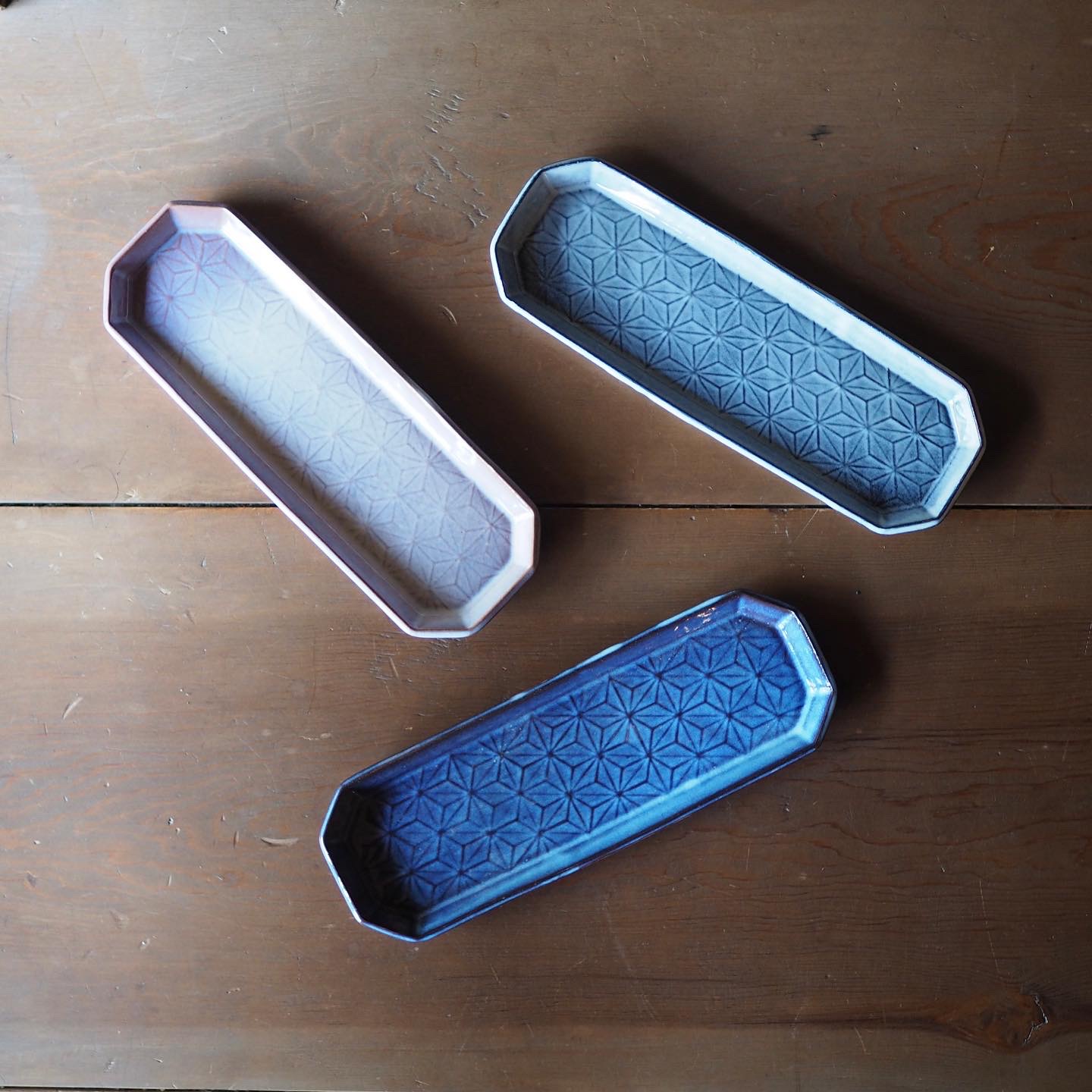
Miru pattern
The miru pattern is now one of the motifs that stand for Takahama ware.
It takes miru, a seaweed that grows in the sea, as its subject, and it is a pattern handed down in Japan from long ago.
At Takahama ware this miru pattern appears on pieces fired around 1820, and around 2007 we revived that design as a reissued series. Today it is drawn on all sorts of ware as the pattern that represents Takahama ware.
The miru pattern has long been used at rites and at celebrations marking the turns of life, and in the Heian period it was taken into the robes of the imperial family and the nobility.
From the way it spreads its branches thickly under the sea, it is said to have been loved as an auspicious pattern wishing for prosperity and long life.
A pattern of the sea, drawn some two hundred years ago, in Takahama where the sea of Amakusa is close at hand.
We carry that design on into the ware of today.


Japanese Plates
Takahama-yaki Juho Kiln
Wood-Grain Porcelain Plate — Takahama Ware
$96.00
First order $91.20 with 5% off· ends Dec 31
It takes 63~70 days to start shipping from Japan.
Specifications
| Category | Japanese Plates |
|---|---|
| Dimensions | L 11.5 cm W 15.5 cm H 0.3 cm≈ 5.1 sun |
| Weight | 110 g |
| Made-to-Order | Available |
| Stock Limit | Max 100 per order |
About this Work
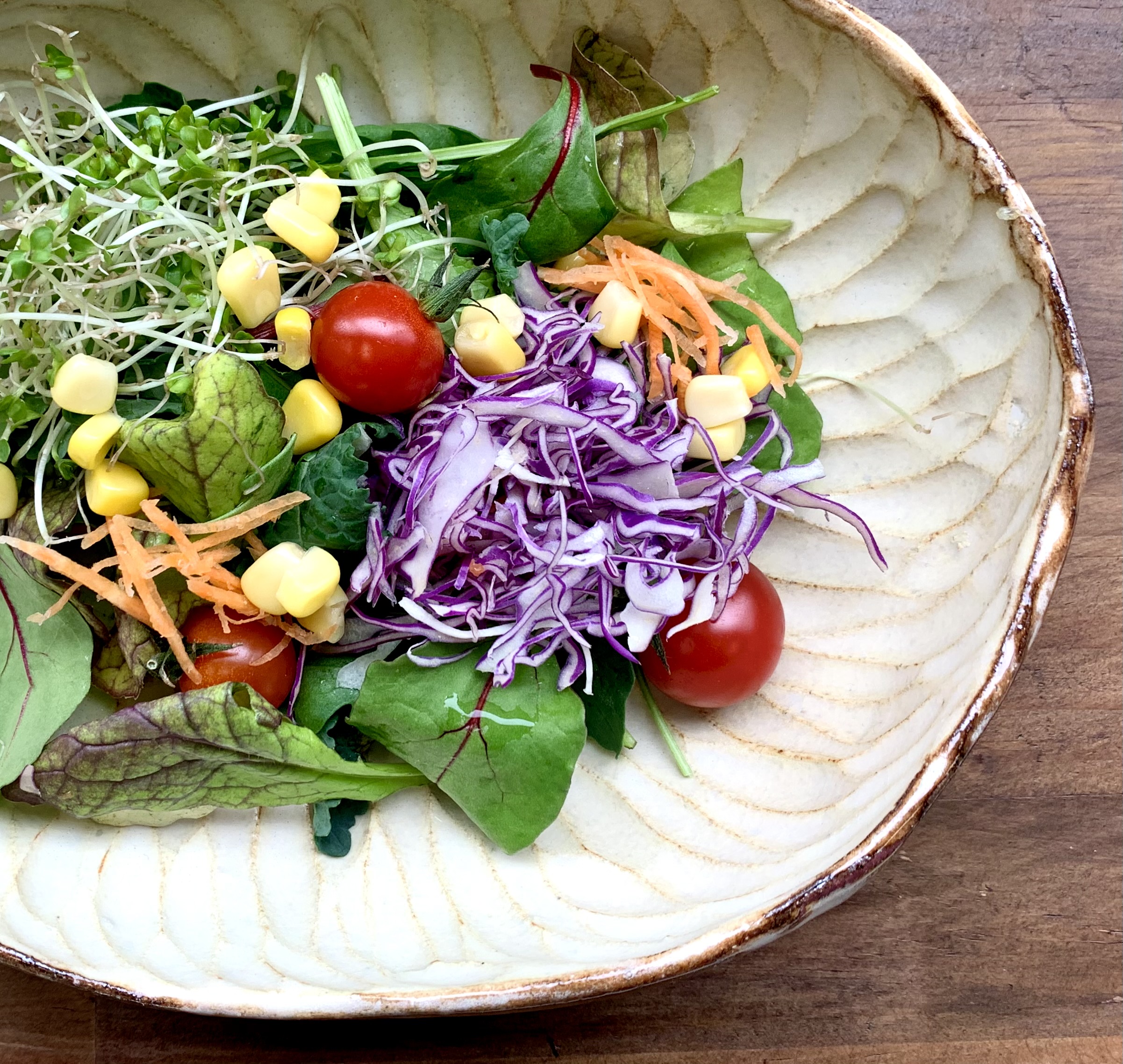
This wood-grain plate is marked by a thinness only Amakusa pottery stone can give. The surface of the pattern is vitrified by the glaze, so dirt hardly soaks into the piece, there is no worry about grime gathering in the grooves that wood-grain plates are known for, and even though it is thin it has a fair degree of durability.
Its simple design sets off cake and tea sweets, and it is a handy size as a plate for serving out. It stacks easily and sits neatly in the cupboard.
Care & Safety
Microwave
Safe to use
Dishwasher
Limited use
Oven
Limited use
Artisan
See detailsArtisan Story
Other Works
See all
Japanese Bowls
Double-Walled Porcelain Bowl — Takahama Ware
$399.00

Japanese Teaware
White Porcelain Teapot Set of Four — Takahama Ware
$630.00

Japanese Plates
Miru Pattern Reissue Plate, Silver — Takahama Ware
$430.00

Japanese Plates
Relief-Rim Porcelain Platter, 30cm — Takahama Ware
$688.00

Japanese Plates
Miru Pattern Shaku Platter, Blue — Takahama Ware
$717.00

Japanese Mugs
Gourd Shochu Cup, Silver Miru — Takahama Ware
$258.00

Japanese Plates
Deep Lipped-Rim Porcelain Plate — Takahama Ware
$258.00
More in This Category
See all
Tsuchinowa
Apple Tree Small Plate
$359.00
Plates

Ryosuke Matsuo
Foliate Oval Plate, Brown No.1
$335.00
Japanese Plates

jiucasca
Blue-White Porcelain Foliate Arabesque Plate, Small
$239.00
Plates

Furutani pottery
Rust Glaze Foliate Rim Deep Plate, Small — Shigaraki
$176.00
Plates

Furutani pottery
Rust Glaze Foliate Rim Plate, Medium — Shigaraki
$239.00
Plates

TAGAWA AKI
Four Gods Plate, White Tiger (Byakko)
$399.00
Japanese Plates

Ceramic Studio Mochinoki
Red Enamel Rim Plate, Small
$184.00
Japanese Plates

Higuchi Maki
Grape Oval Plate
$637.00
Plates
Discover More Artisans
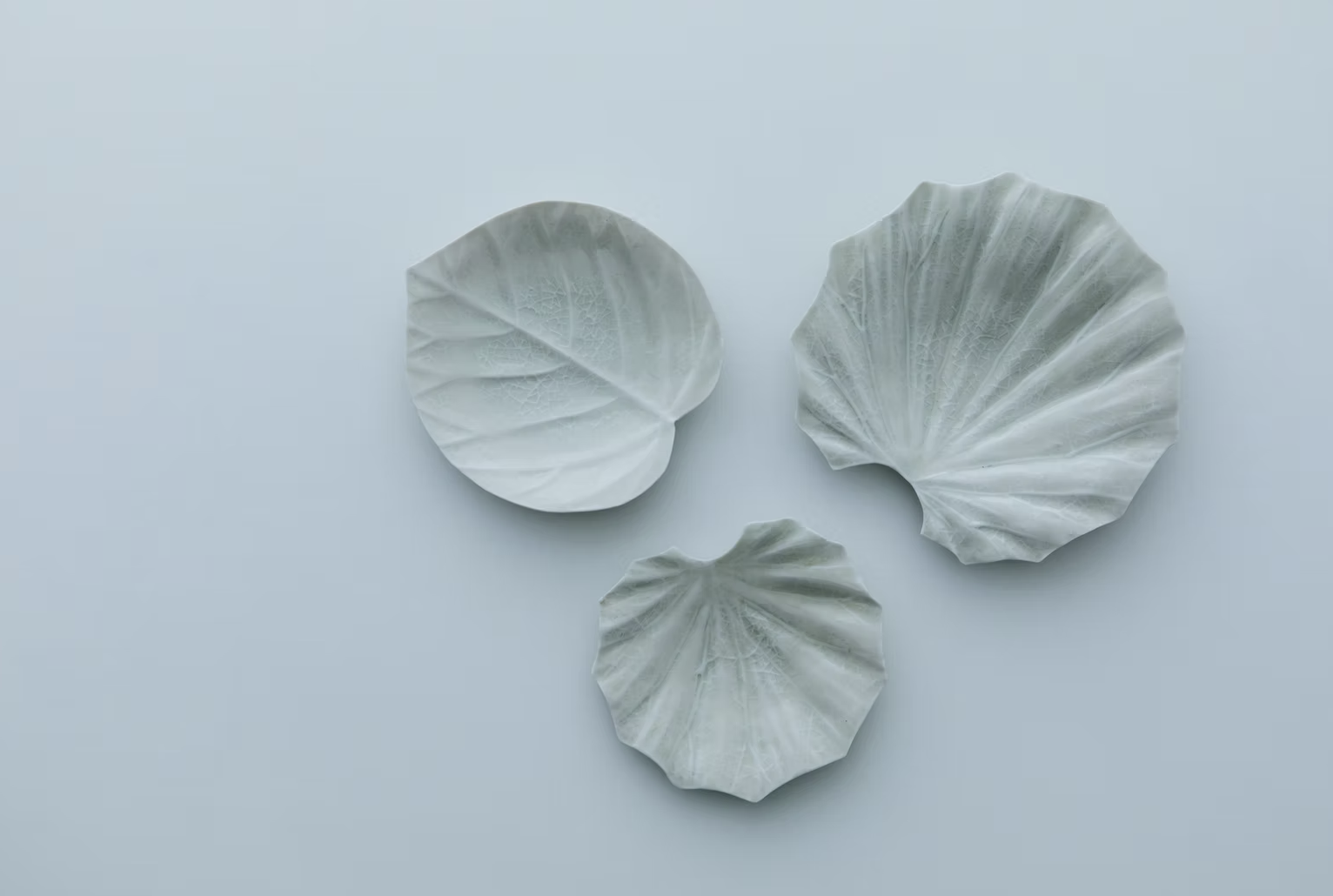
Porcelain vessels born from the palm of the hand. Each one quietly adorns the table and soothes the soul—like a gentl...
-
Only 1 available

Japanese Coffee Cups
Ash-Blue Glaze Coffee Cup — Kyoto
$367.00
-
Only 1 available

Plates
Blue-White Porcelain Foliate Arabesque Plate, Small
$239.00
-

Plates
Bronze Glaze Foliate Arabesque Mamezara Tiny Plate
$223.00
-

Plates
Bronze Glaze Foliate Arabesque Plate, Medium
$367.00
-
Only 1 available

Japanese Vases
Rock Faceted Porcelain Vase
$263.00
-
Only 1 available

Japanese Vases
Sometsuke Floral Vase — Kyoto
$239.00
-
Only 1 available

Plates
Dahlia Bronze Glaze Plate, 15cm — Kyoto
$271.00
-

Plates
Tsuwabuki Leaf Ash-Blue Glaze Plate, 18cm
$383.00


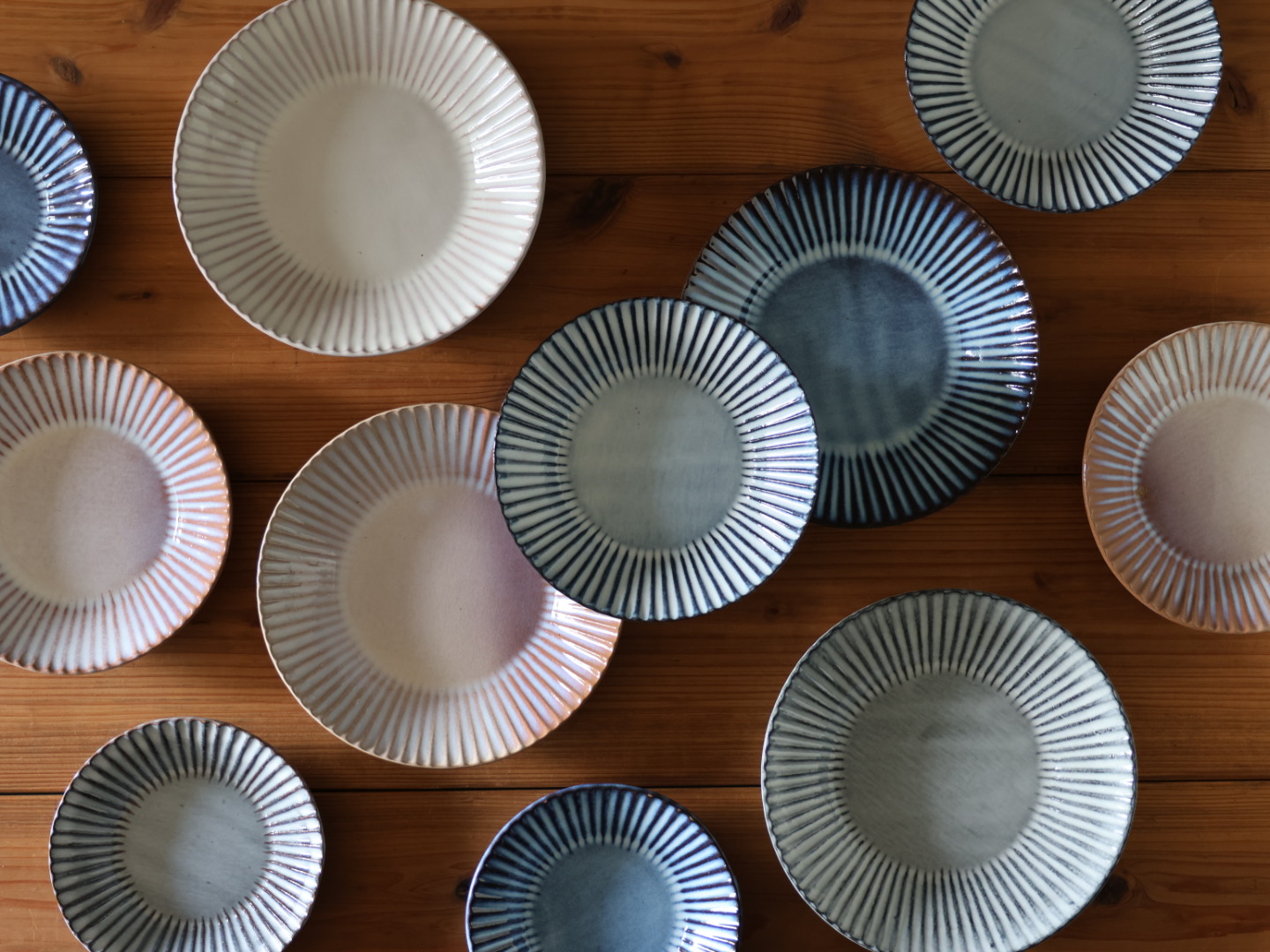
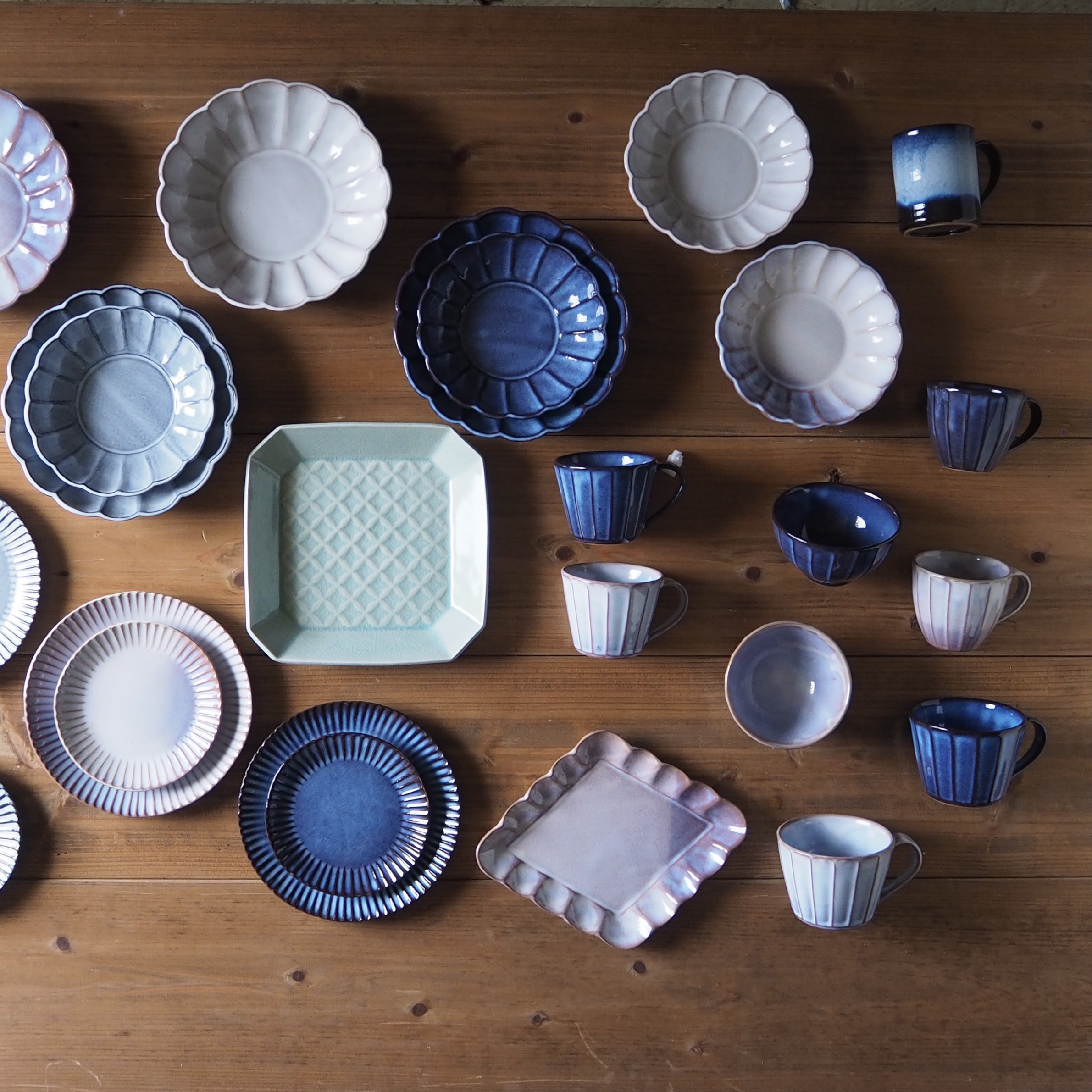
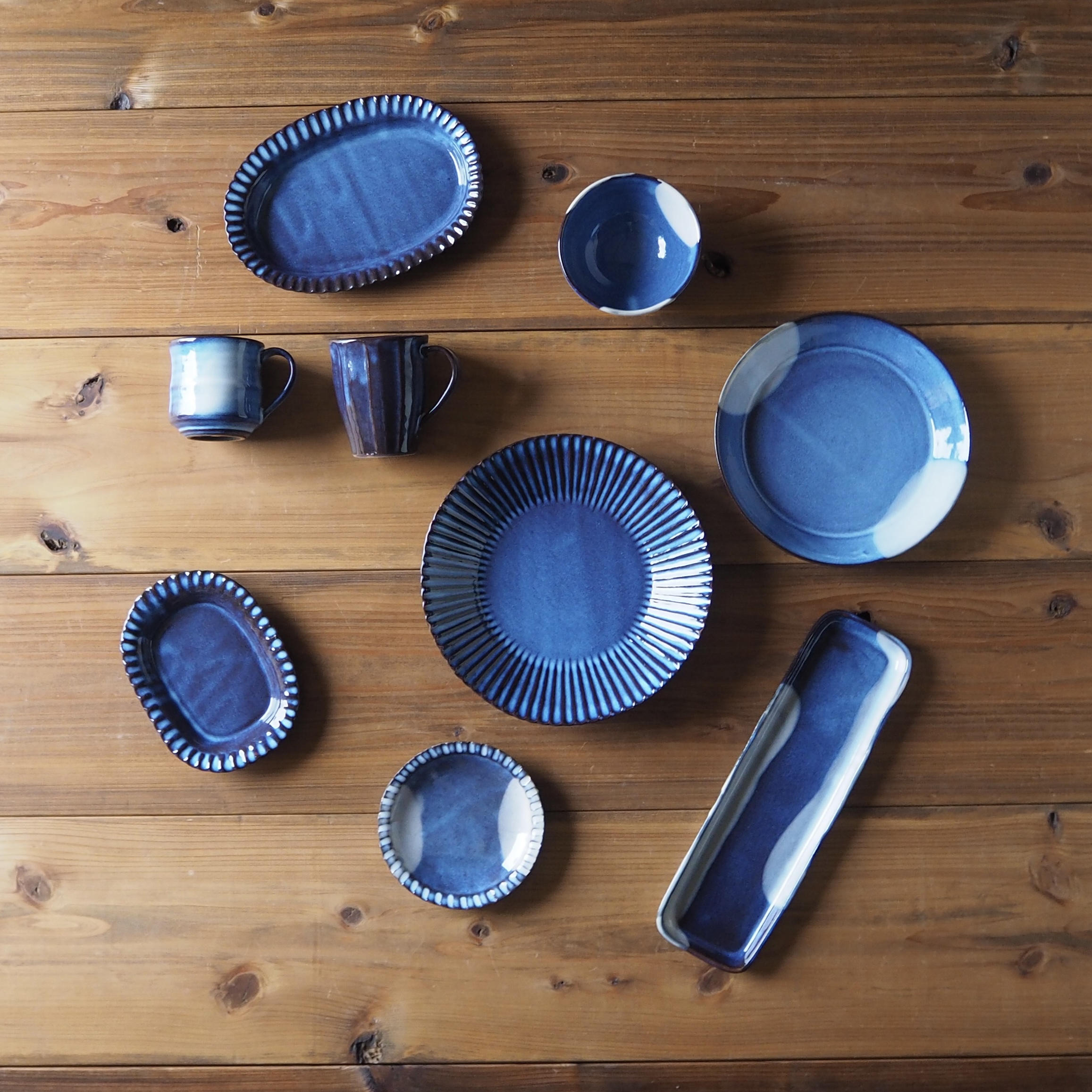
Vessels to be nurtured through use.Matsumitsuyama Pottery is located in Ohi, Hagi City, Yamaguchi Prefecture.Our stud...
-

Japanese Coffee Cups
Straight-Sided Mug, Gray
$215.00
-

Japanese Coffee Cups
Faceted Mug, Ao-Hagi Blue No.2
$176.00
-
Only 1 available

Japanese Coffee Cups
Faceted Mug, Kohiki Purple No.3
$215.00
-
Only 1 available

Japanese Coffee Cups
Faceted Mug, Ao-Hagi Blue No.3
$215.00
-

Japanese Coffee Cups
Faceted Mug, Gray No.3
$215.00
-

Japanese Rice Bowls
Faceted Rice Bowl, Large, Gray
$160.00
-

Japanese Rice Bowls
Shinogi Rice Bowl, Small, Shiro-Hagi White
$160.00
-

Japanese Rice Bowls
Shinogi Rice Bowl, Small, Kohiki Purple
$160.00


Based in Seto, I create my works by carving and using the shinogi technique to form shapes.I hope you can appreciate ...