

Japanese Bowls
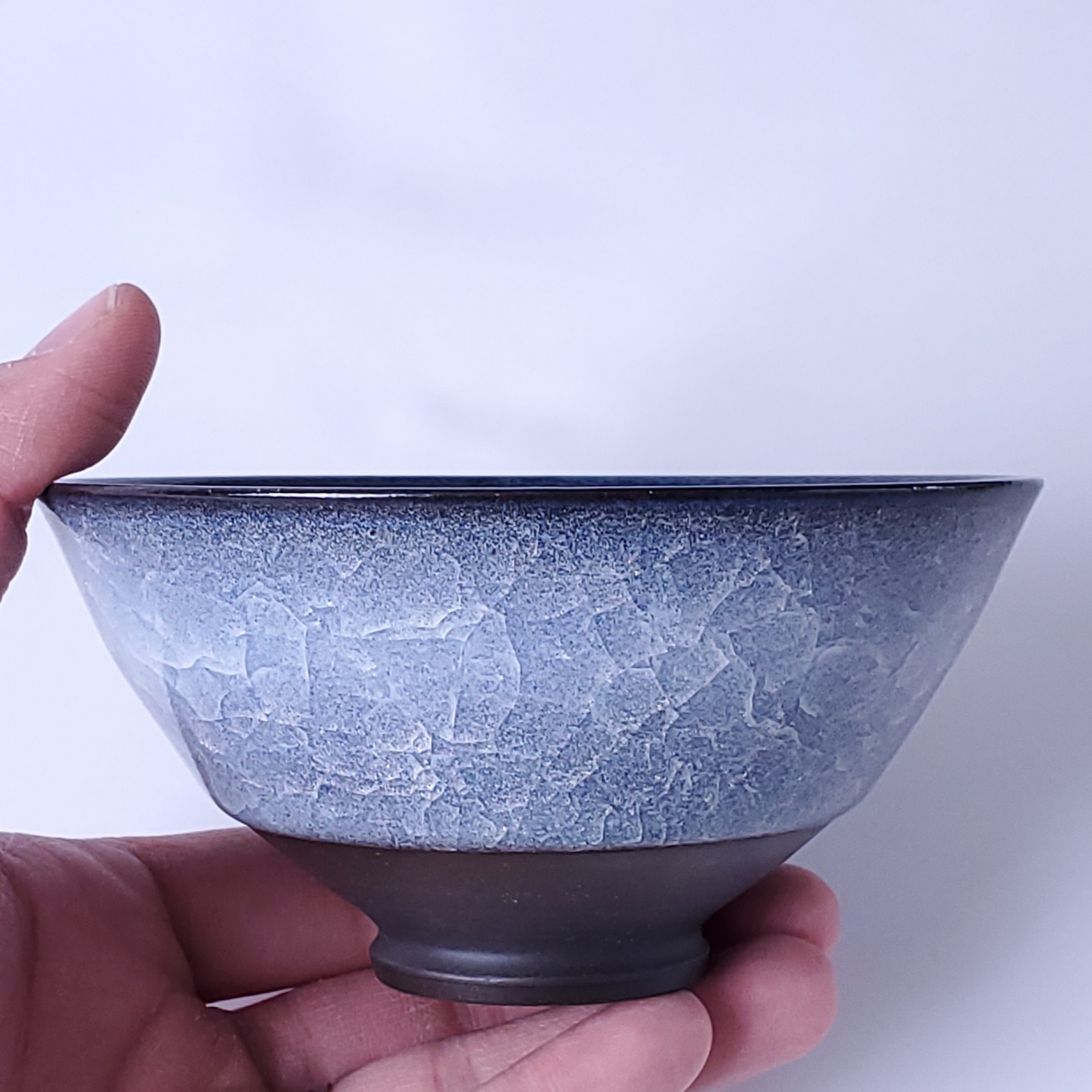
In Japan you pick the bowl up. Japanese bowls are made to be completed in the hand, so the shape, the weight and even where your fingers land have all been thought through.
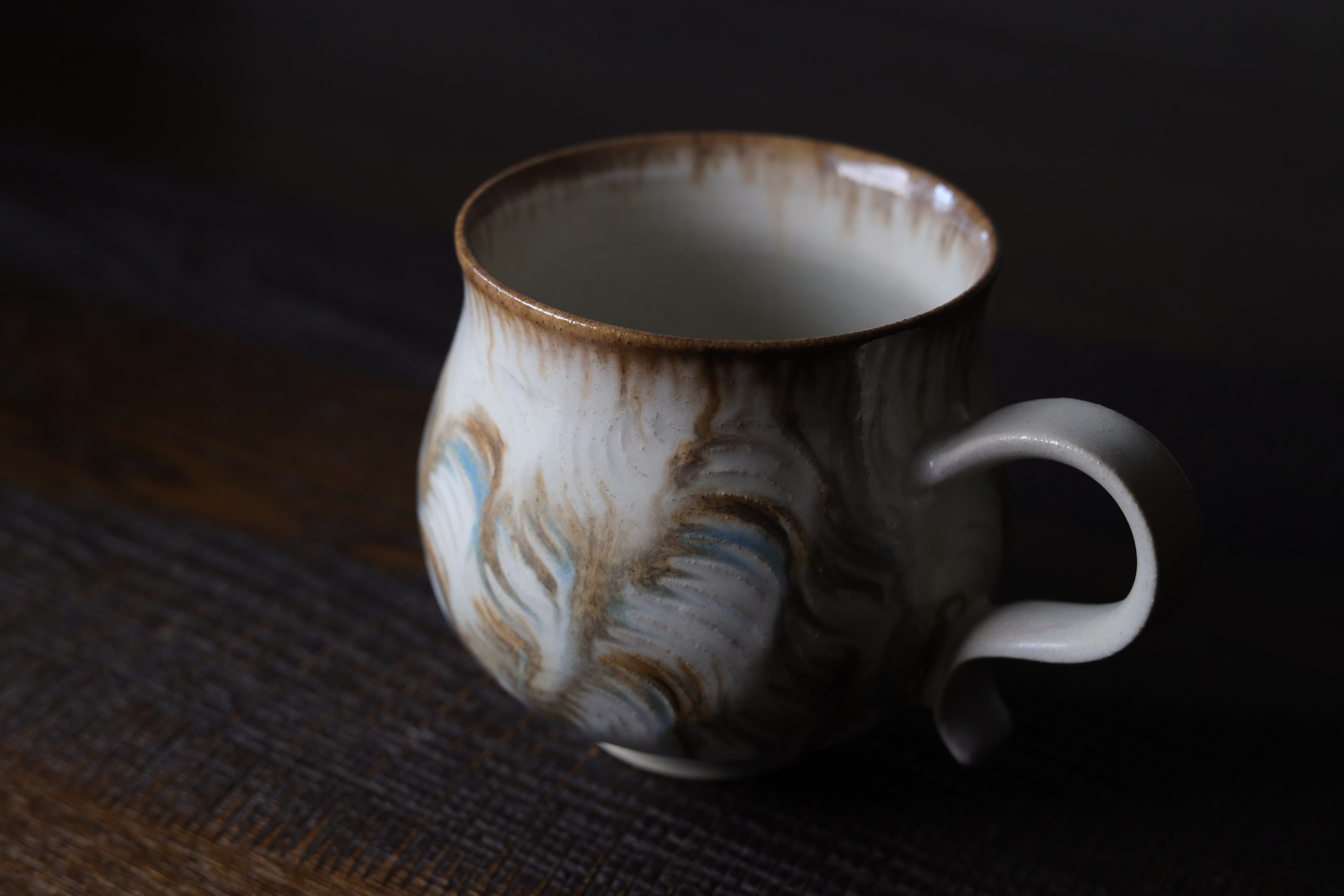
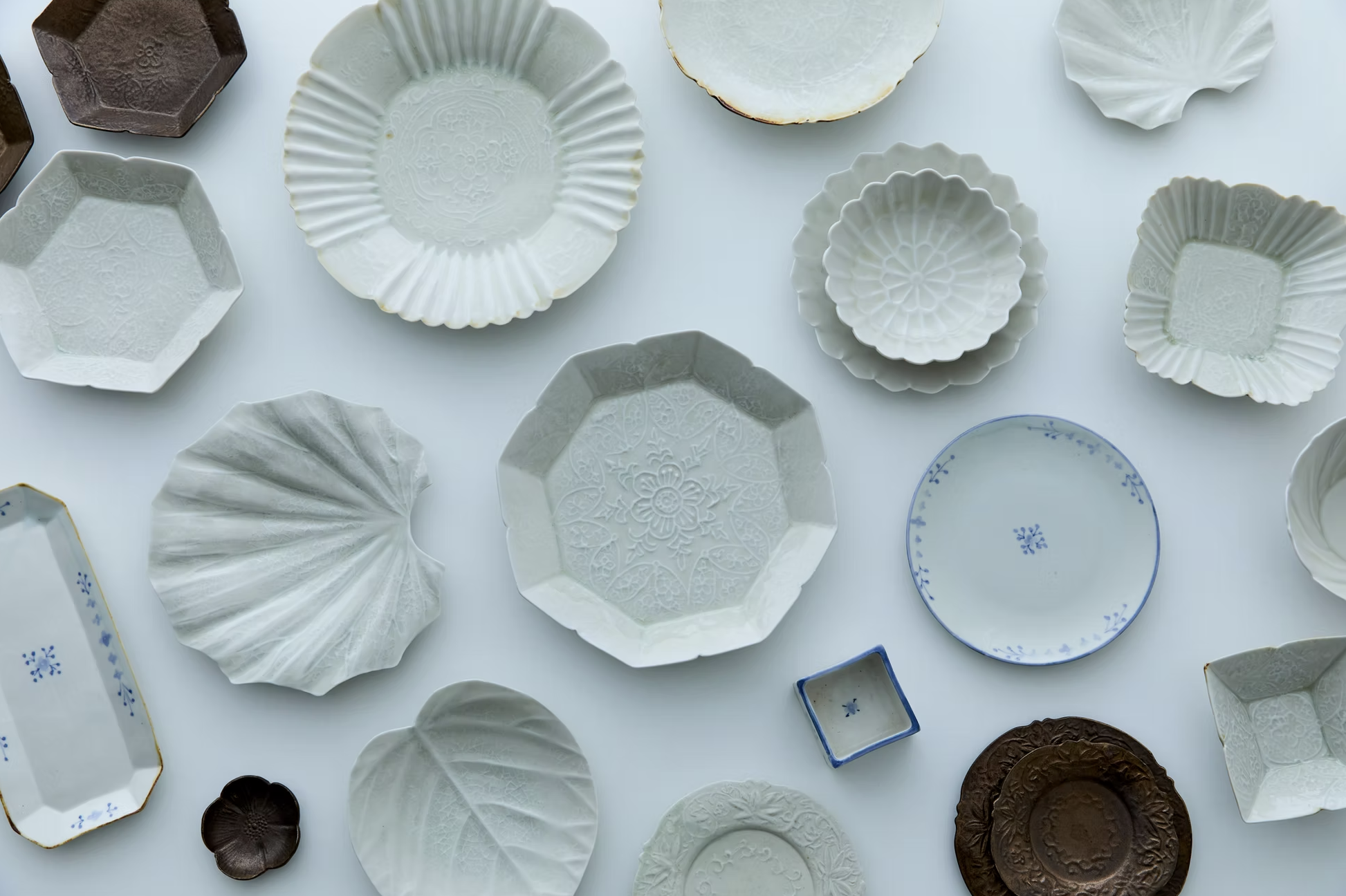
Some are cut with shinogi ridges so the fingers find their place. Some open like a chrysanthemum. Some are white slip over dark clay, soft to the eye and the hand. Rice, soup, a late bowl of noodles. These are made for the meals that happen every day. Sizes, care & FAQ


Artisan Works

Shoen-gama
Bowl with Handle
$2,177.00
Bowls

Teramoto Shiori
Rice Bowl, Small — Seto Porcelain
$809.00
Japanese Rice Bowls

Shibaoka Tosendo
Sangiri & Hidasuki Rice Bowls, Pair — Bizen Ware
$2,177.00
Japanese Rice Bowls

Shibaoka Tosendo
Sangiri Donburi Bowl — Bizen Ware
$2,177.00
Japanese Rice Bowls

Japanese Rice Bowls
Footed Bowl, Small, White No.1 — Okinawa
$1,400.00

Bowls
Blue-Green Dot Bowl, 6-sun — Okinawa
$1,863.00

Japanese Rice Bowls
Suzu-Gesho Rice Bowl No.2 — Okinawa
$1,696.00

Umezawa Mana
Indigo Soup Bowl — Mino
$2,262.00
Bowls

Ichirun Tobo
Black & White Rice Bowl No.2
$685.00
Japanese Rice Bowls

Ichirun Tobo
Black & White Serving Bowl
$1,306.00
Bowls

Ichirun Tobo
Black & White Rice Bowl No.1
$685.00
Japanese Rice Bowls

Ichirun Tobo
Blue Landscape Serving Bowl
$933.00
Japanese Rice Bowls
Buying guide
Japanese Bowls Buying Guide
What you will find here
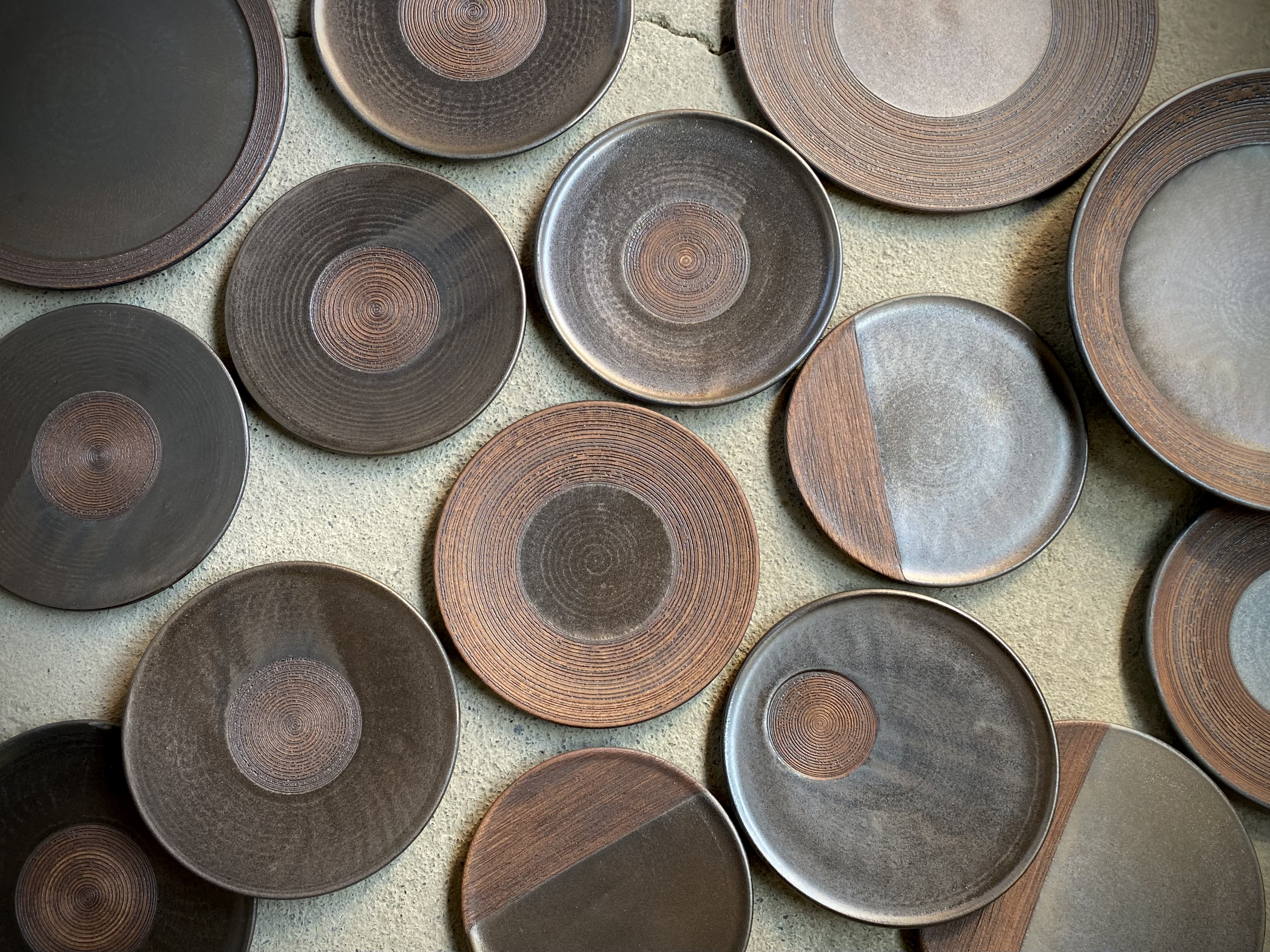
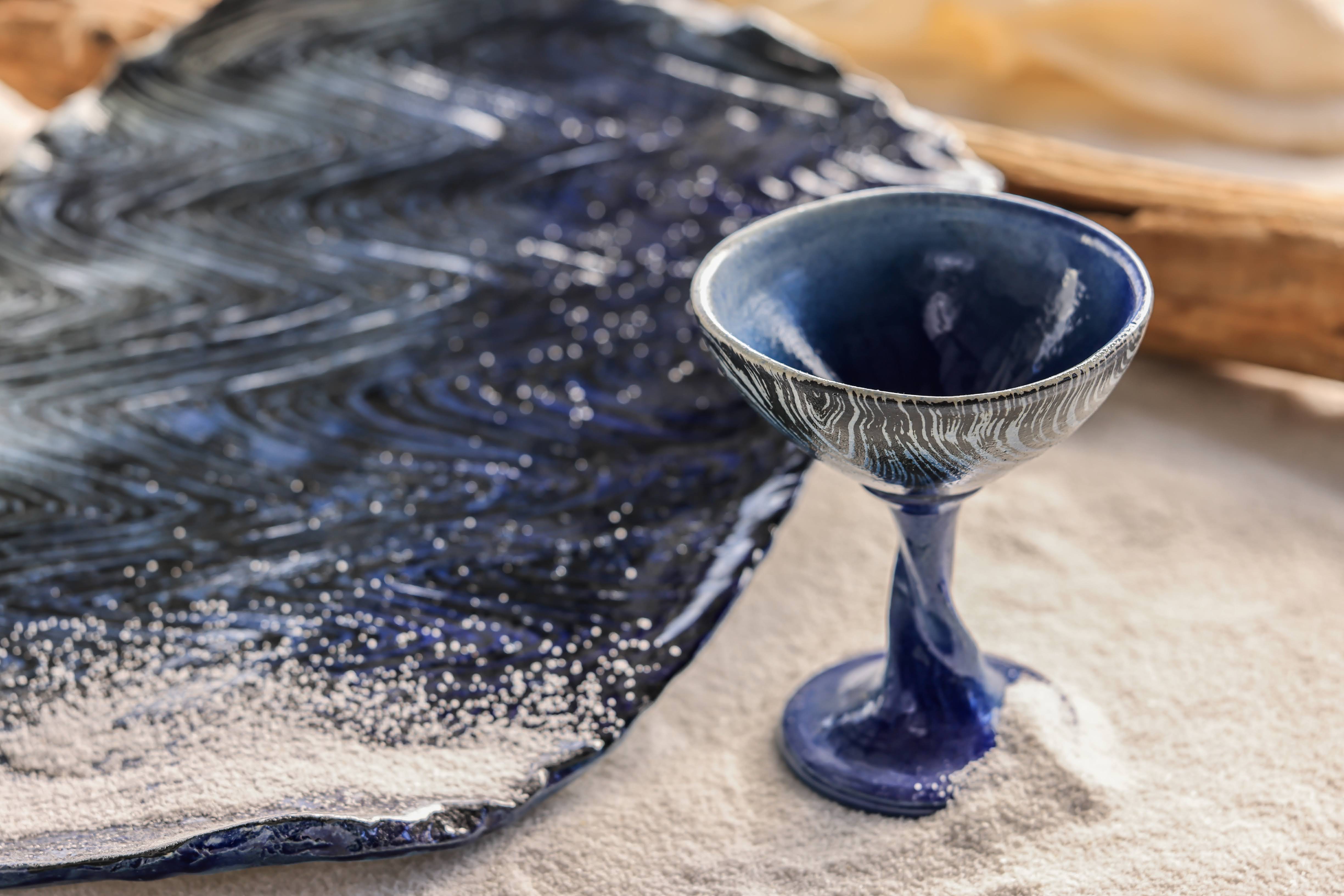
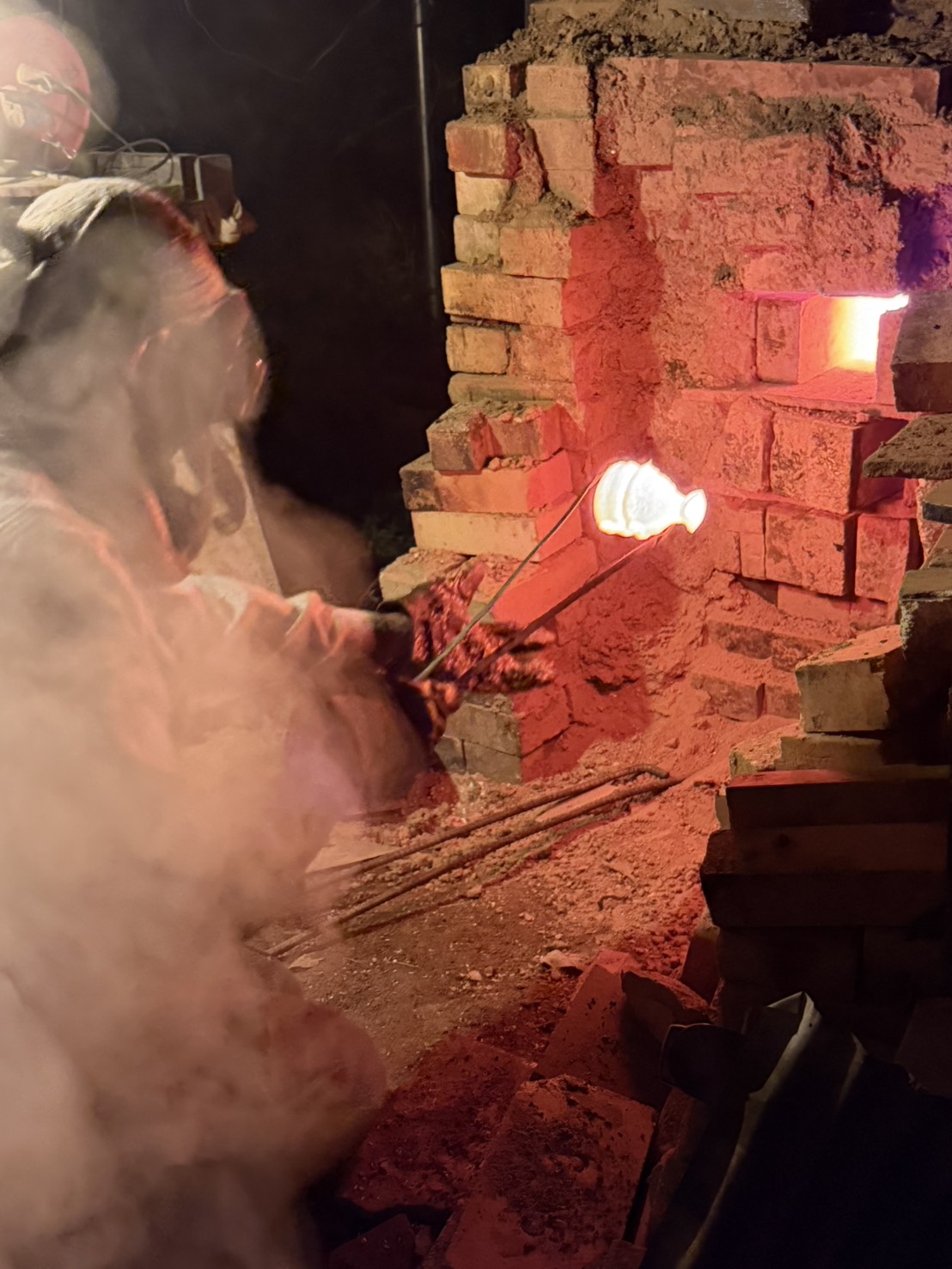
This collection gathers handcrafted Japanese bowls of every everyday kind: rice bowls, donburi, soup bowls, small kobachi for side dishes, lipped katakuchi for pouring, and wider bowls for serving. They come from Shigaraki, Hagi, Bizen, Mino and Seto, from Kyoto and Osaka, from Ehime and Miyazaki, and from Okinawa and Iriomote Island. Glazes range from blue-gray ash glaze and deep ruri blue to kohiki white slip and the bare, wood-fired clay of Bizen. Each piece is listed under the artisan or workshop that made it.
How to choose a size
Bowls are often sized in sun, a traditional unit of about 3cm. Sizes in each listing are measured from the actual piece.
| Type | Approx. diameter | Good for |
|---|---|---|
| Kobachi (small bowl) | 9 to 12cm | Pickles, salad, dessert |
| Rice bowl | 11 to 12.5cm | A serving of rice for one |
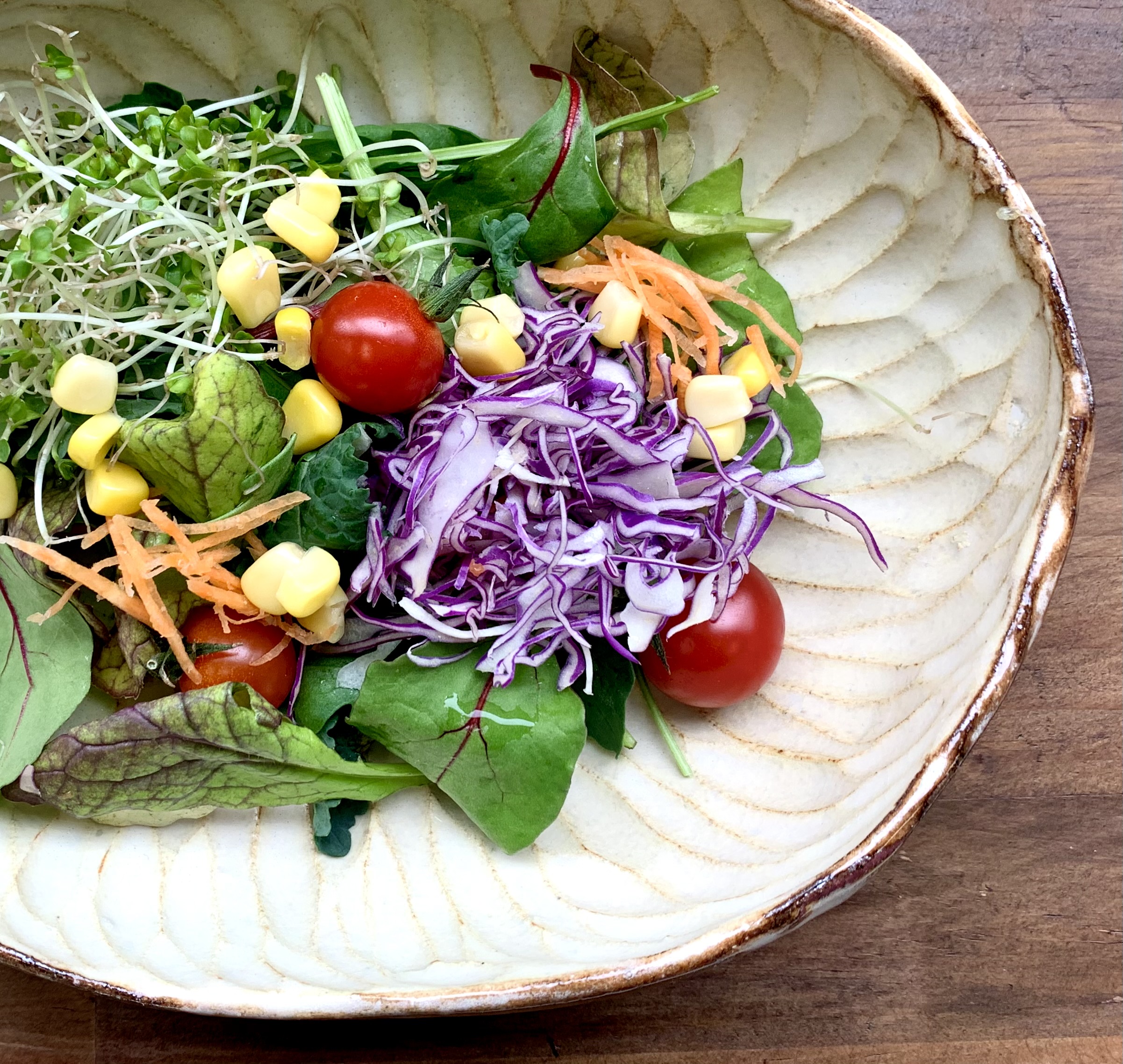
| Soup bowl | 10.5 to 18.5cm | Miso soup, stew, cereal |
| Donburi | 14 to 16cm | Rice bowls with toppings, noodles |
| Serving bowl, 6 to 7 sun | 18 to 22cm | Salad, simmered dishes to share |
Our guide to the kinds of Japanese bowls compares every shape and name. If you would rather start from the kind of piece, browse Japanese rice bowls, serving bowls or kobachi small bowls.
Look at the foot
Turn a Japanese ceramic bowl over and the ring you feel is the kodai, or foot ring. It lifts the bowl so your fingers have somewhere to sit and the heat stays off your palm. The clay is often bare there, which is why experienced buyers look at it first.
Care
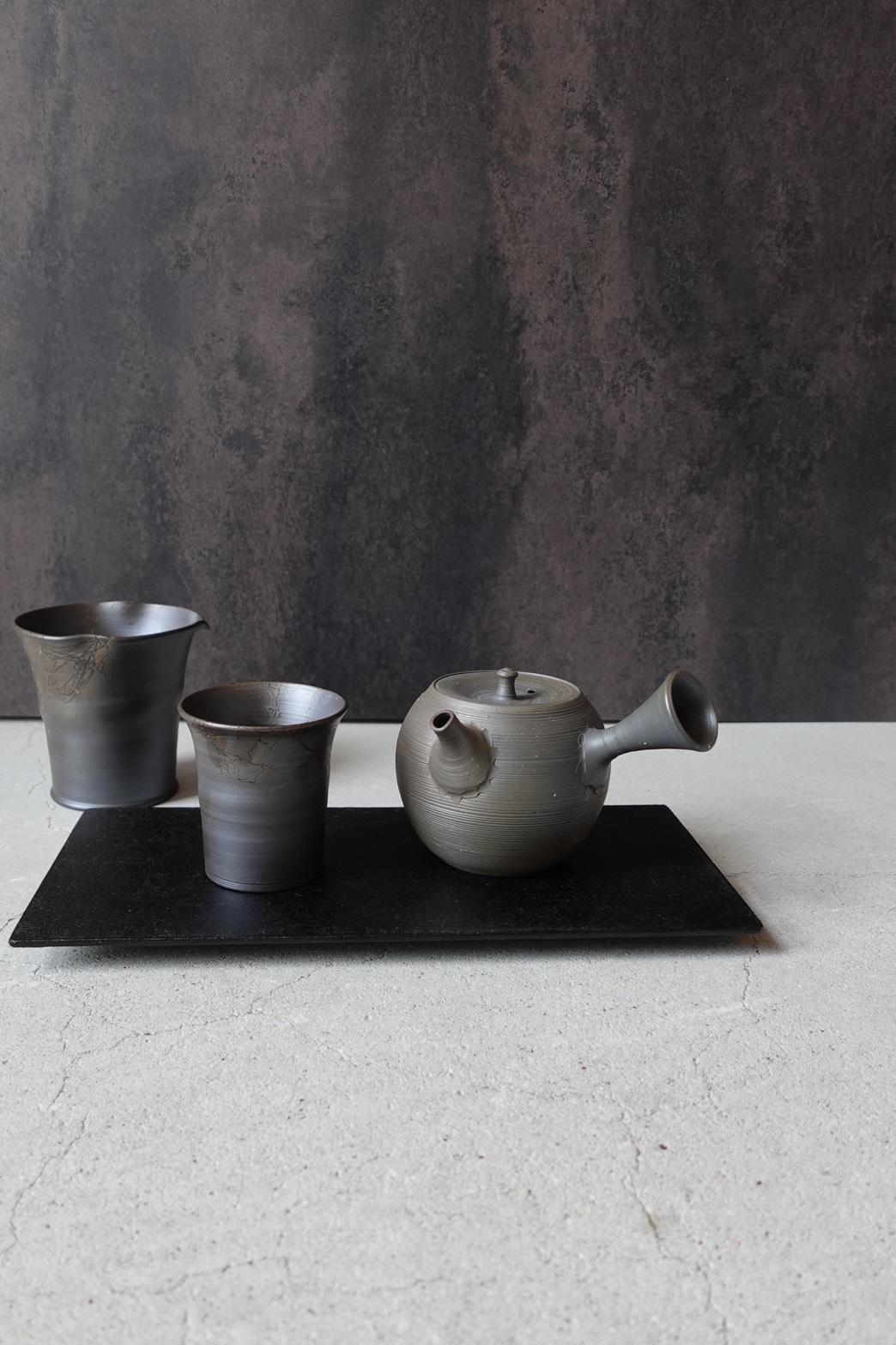
Microwave and dishwasher use is set out piece by piece in each listing. Many of the glazed bowls from Shigaraki, Hagi and Kyoto are marked safe for both. Bizen, lacquer-finished pieces and the Okinawan bowls are marked as hand-wash only or limited. Stoneware is slightly porous, so let it dry fully before you put it away. Our stoneware care guide covers the details.
Questions
What is the difference between a rice bowl and a donburi?
A rice bowl holds a plain serving of rice and is usually 11 to 12.5cm across. A donburi is wider and deeper, about 14 to 16cm, for rice with toppings or noodles.
Are handcrafted Japanese bowls heavy?
It depends on the clay. Porcelain and thinly thrown stoneware feel light; thick stoneware and unglazed Bizen feel more solid. The size and height in each listing give a good sense of the piece.
Do you ship outside Japan?
Yes. Every bowl is shipped worldwide from Kyoto.