Ki-Seto: The Yellow Glaze With Green Bleeding Through

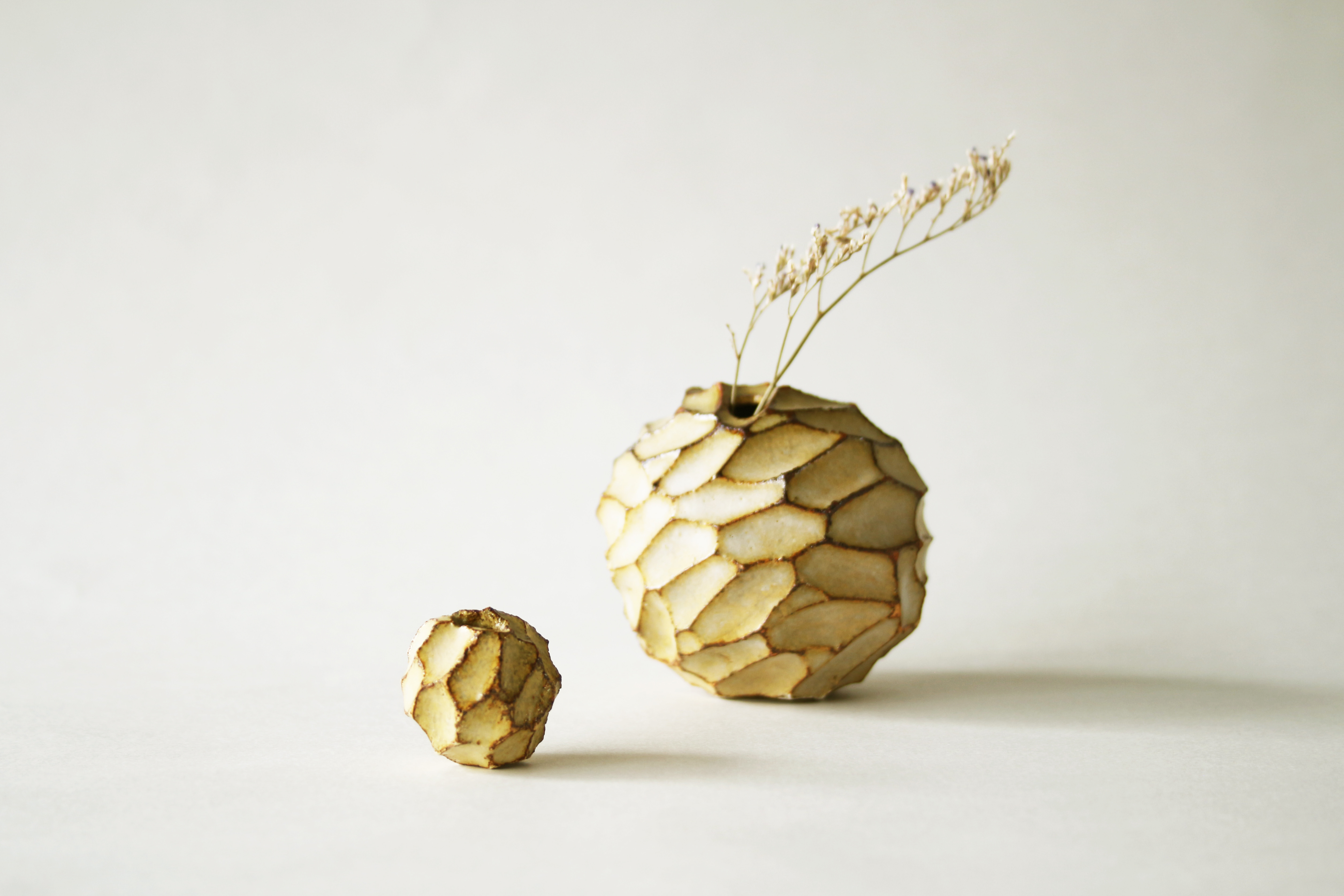
Ki-Seto is pottery born in the Mino region in the Momoyama period of the 16th century. A glaze containing wood ash and a trace of iron is applied and fired in oxidation to bring out a warm amber or pale yellow.
Although the name contains Seto, it was actually fired in Mino. It is one of Mino's four great styles alongside Shino, Oribe and Seto-guro.
The same iron turns to the blue-green of celadon in reduction. The yellow of Ki-Seto arises only through oxidation firing, with plenty of oxygen fed to the kiln.
Aburage-de, the finest surface
Ki-Seto surfaces come in grades. The most highly valued is the matte, moist, settled quality called aburage-de.
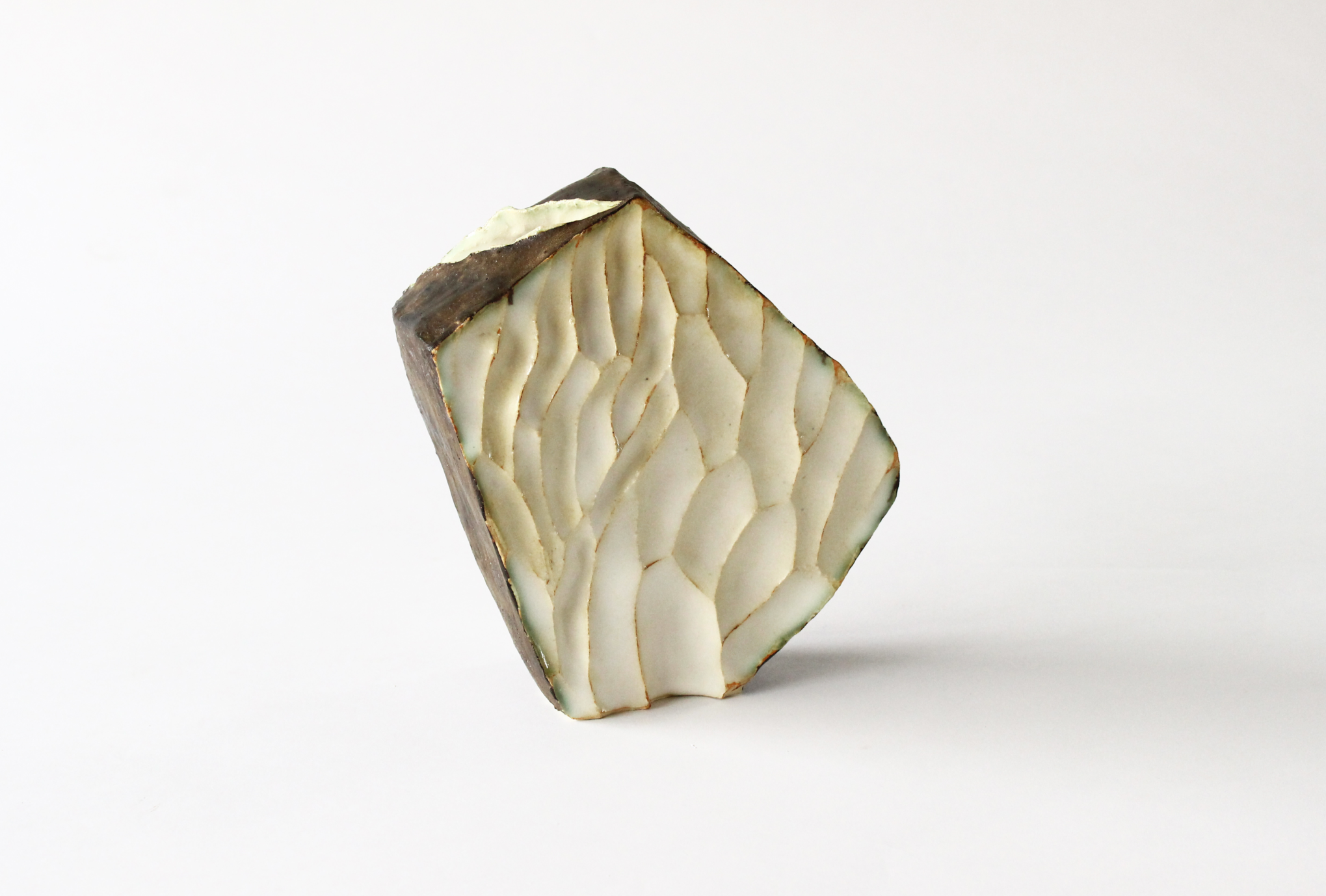
The glaze runs thin, the surface is faintly rough, and it does not reflect light. As the name suggests, it recalls the surface of fried tofu skin. Pieces where the glaze melted thickly and turned glossy are called guinomi-de and are held to rank a step lower.
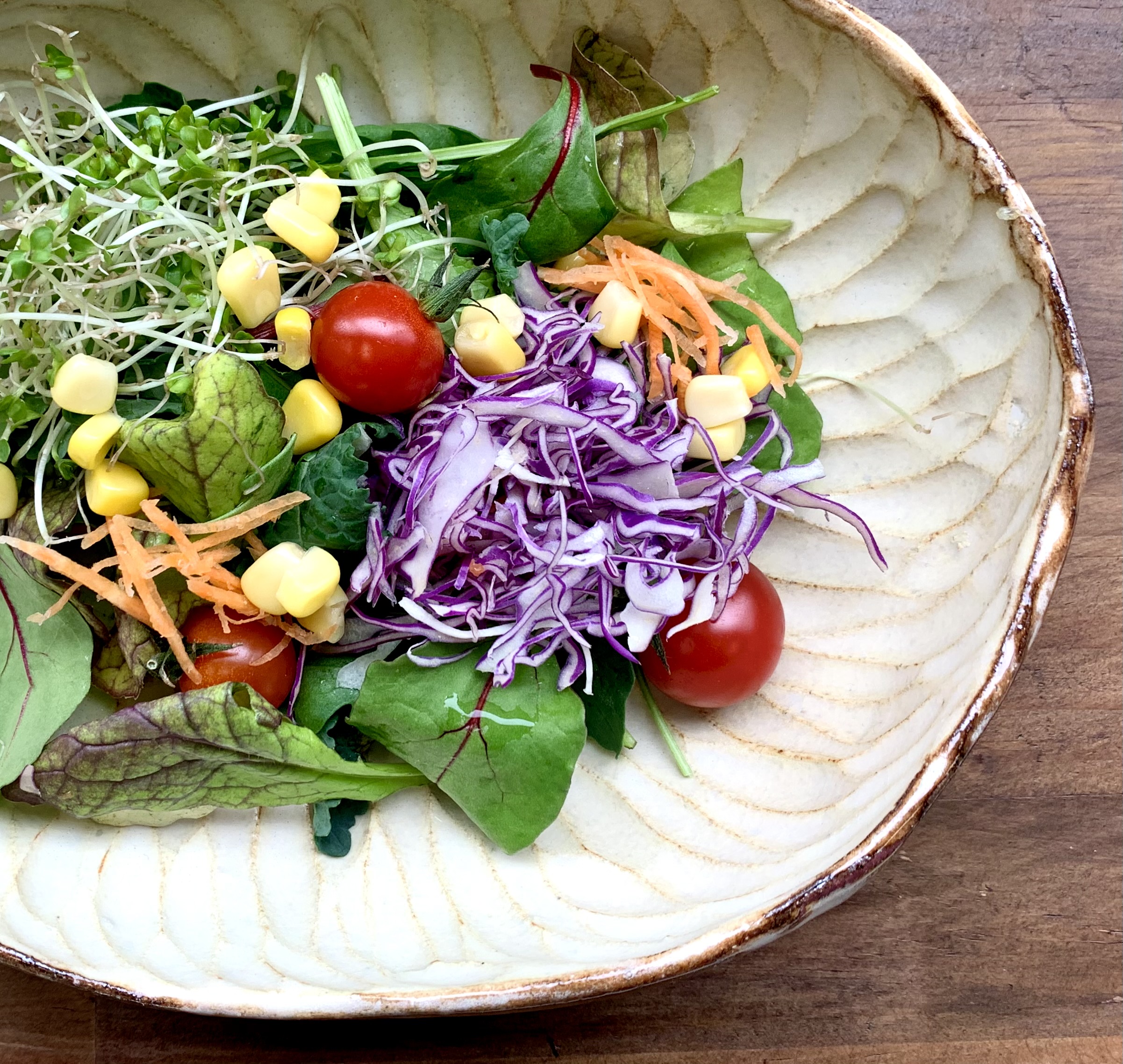
And because the glaze pools in the unevenness of the piece, a natural yellow gradation appears across a single surface. Glaze gathers in throwing rings and in the carved lines of shinogi and sinks darker just there. That gradation is the scenery of Ki-Seto.
Iron painting and tanpan
| Element | What it is made of | How it looks |
|---|---|---|
| The yellow ground | Wood ash and trace iron, fired in oxidation | Pale yellow to amber, with gradation in the relief |
| Brown lines (iron painting) | An iron-rich pigment | Daikon, iris, insects, drawn with a light touch |
| Green blotches (tanpan) | A copper pigment dabbed on | A vivid green bleeds out during firing |
This contrast of three — a yellow ground, brown lines, and a fresh green scorch — is held to be the greatest point of interest in Ki-Seto.
Using Ki-Seto
Aburage-de Ki-Seto has thin glaze and retains absorbency. Carry out medome at the start, wash soon after use and dry completely.
In serving, its quiet assertion makes small portions look refined: dressed dishes, pickles, small dishes with sake. As our guide to glaze notes, a quiet piece pairs well with restrained food.
Related terms and guides
Related terms
- Shino Ware: Japan's First White Glaze, and Its Red Blush
- Oribe Ware: The Green Glaze That Broke the Rules
- Celadon (Seiji): The Blue-Green Glaze of Iron and Fire
- Shinogi: The Carved Ridges on Japanese Pottery
- Medome: How to Seal Unglazed Pottery Before First Use
- Japanese Pottery Glossary | Terms, Techniques & Kilns
Read further
- Mino Ware Guide: Oribe, Shino and Japan's Biggest Kiln
- Japanese Pottery Glazes: The Main Types Explained
- Seto Ware: The Kiln Town That Named Japanese Pottery
- Tea Ceremony Ceramics: A Short History of the Chawan
Look at the gradation of yellow
The darkness of glaze pooled in throwing rings, and the green of tanpan. The quieter the Ki-Seto piece, the more there is to look at. Nokaze introduces pottery from Mino and across Japan.
Browse Mino potteryFAQ
What is Ki-Seto, and why does it come out yellow?
What do the green and brown markings mean?
Which is better, glossy or matte Ki-Seto?
Shop the related pieces


New to Japanese pottery? Start here — its history, how pottery differs from porcelain, the clays and glazes behind each style, and how to care for a piece. → Japanese Pottery: The Complete Guide