
Japanese Handleless Cups and Tumblers: How to Choose by Size and Clay

In Japan, a cup without a handle has a name of its own: the free cup. It is called "free" because it is not tied to any one drink. Green tea in the morning, coffee in the afternoon, cold barley tea in summer, beer or shochu in the evening. One cup covers them all.
That also makes it a little harder to choose than a mug. Without a handle, the size and shape decide how the cup feels in your hand and what tastes good in it.
The surest way to choose a Japanese handleless cup is to work back from when you will drink and what. This guide goes scene by scene, from tea for guests and everyday coffee to cold drinks, beer and an evening drink, and shows the size and shape that suit each one with photos of Japanese pottery available at nokaze now.
If you would like to see the cups first, browse our free cups and tumblers collection.
Free Cups, Yunomi and Mugs: The Difference
All three are cups for every day, but each took its shape around a different drink. The free cup sits in between. Like a yunomi (Japanese teacup) it has no handle, yet its size and shape suit whatever you pour into it.
| Cup | Handle | Main drinks |
|---|---|---|
| Yunomi | None | Hot green tea, hojicha |
| Free cup | None | Tea, coffee, cold drinks, beer, shochu |
| Mug | Yes | Coffee, black tea, hot milk |
If tea is what you drink most, see our article on yunomi, and if you often drink plenty of hot coffee, our article on ceramic mugs too.
By Scene: Which Cup to Use When
Handmade cups rarely list their capacity, so height and rim diameter are the most reliable guides. Every cup in the photos is available at nokaze now.
Serving Tea to Guests: A Small Cup About 7 cm Tall With a Flared Rim
To serve green tea or hojicha to guests, choose a small cup about 7 cm tall, the classic size Japanese households bring out for visitors. A rim that flares out and a body that narrows toward the base make it easy to hold in one hand, and because you can hold it near the rim or the foot, where the drink does not reach, your hand stays cooler even with hot tea.

A small cup also works for espresso, or a little sake or shochu. Keep a matching set for everyone, and you will never have to think twice when guests arrive.
Everyday Tea, Coffee and Café au Lait: A Round Cup You Can Hold in Both Hands
The cup you will use most every day is a rounded cup about 8 cm tall and 10 cm across the rim. Tea and coffee of course, and even a generous café au lait, can be held cupped in both hands. It is also the right size for morning soup or yogurt.

Holding Hot Drinks in Your Hand: A Thick Cup With Ridges or Texture
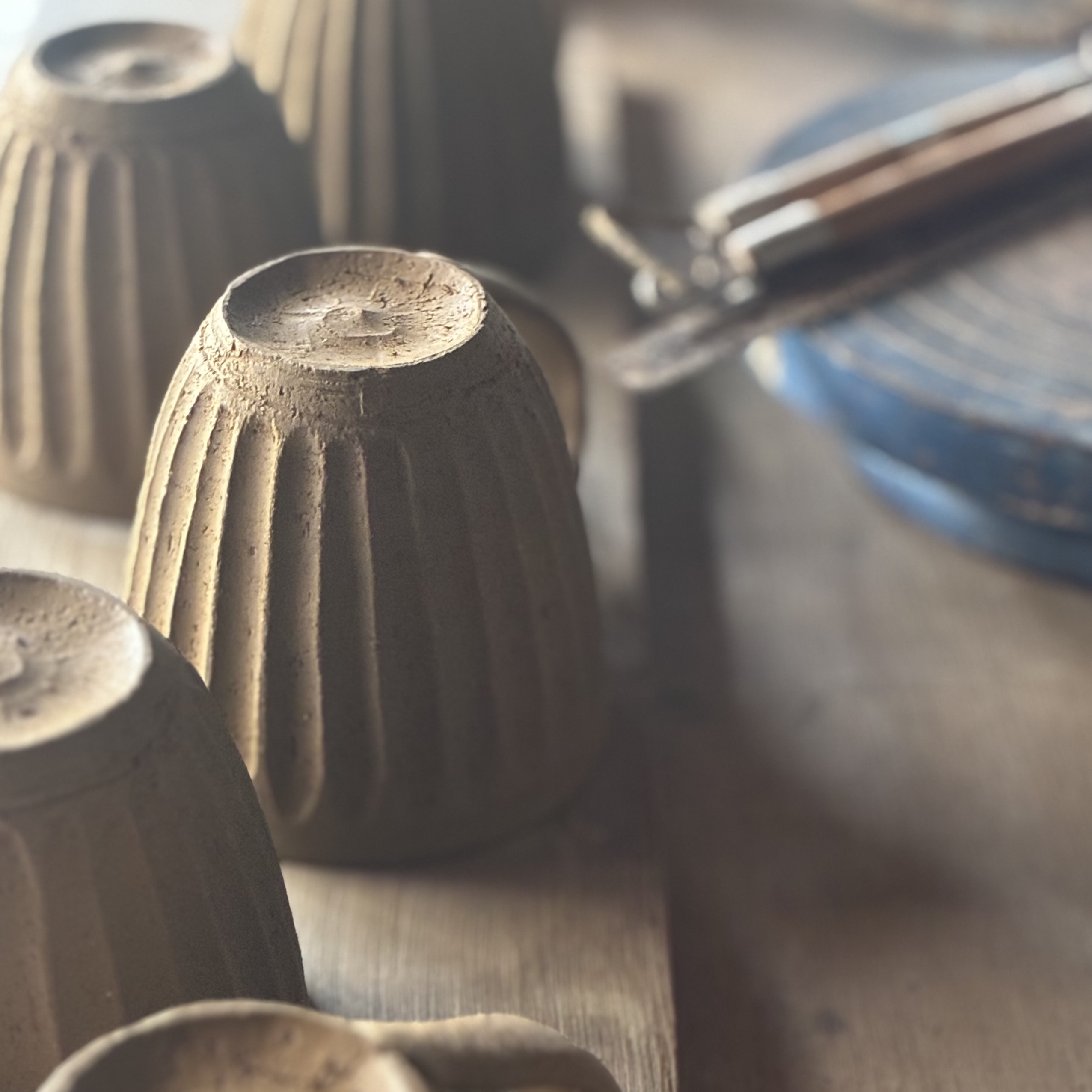
To drink something hot from a handleless cup, choose a cup with ridges, carving or texture on the surface. It gives your fingers a place to rest and keeps them from slipping, and the small gaps between fingers and clay make the heat less noticeable. Thick stoneware cups also tend to pass less heat to your fingers than thin porcelain.

Japanese green tea is usually brewed below boiling, so it rarely gets as hot as freshly made coffee. If you want to hold very hot coffee in your hand for a long time, a mug is more comfortable.
Cold Tea, Water and Highballs: A Tall Cup 11 to 12 cm High
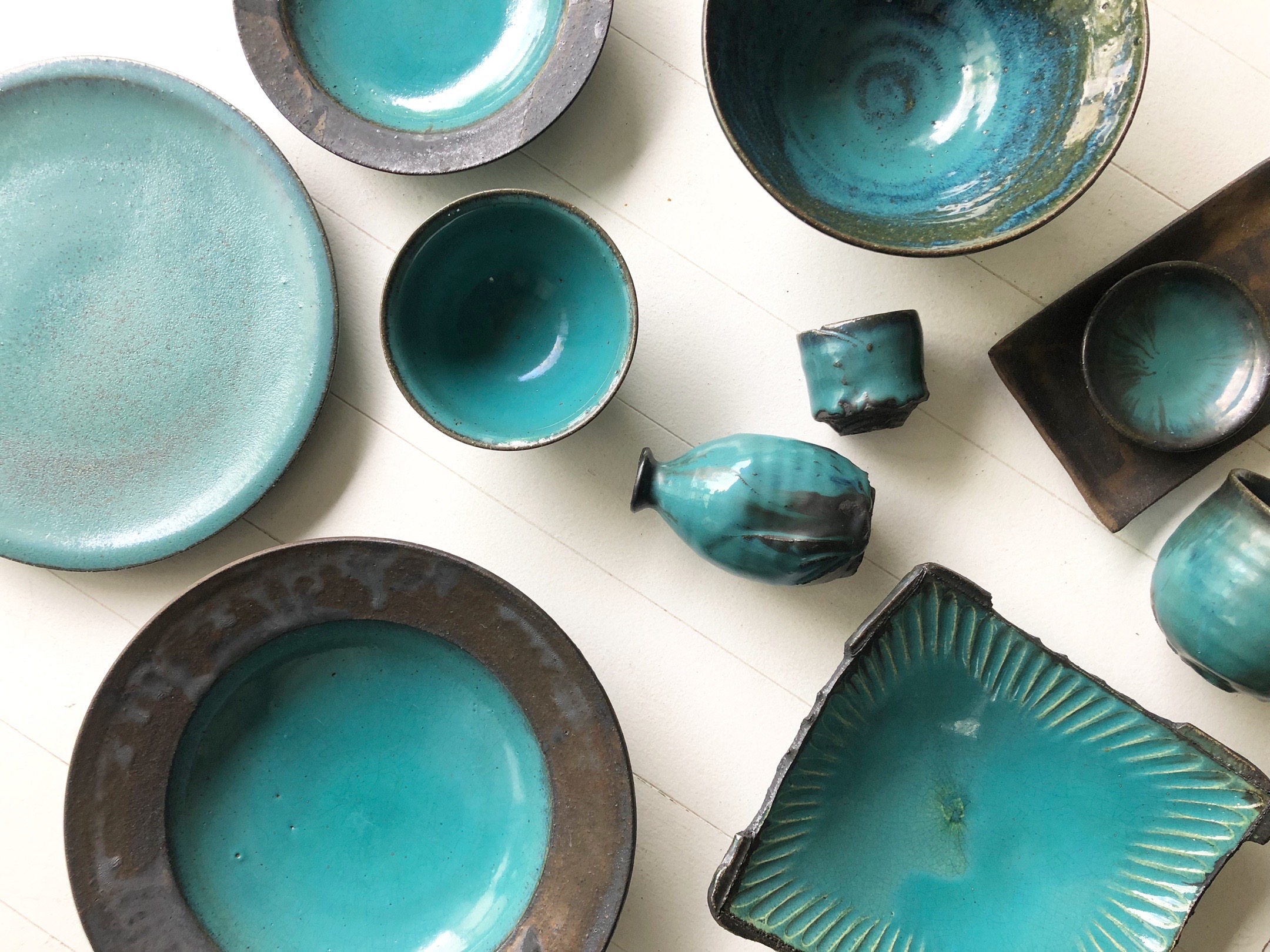
Barley tea, cold green tea, water, lemon sour or a highball. For drinks with ice, a tall cup 11 to 12 cm high works well. This is the ceramic tumbler, with plenty of room for ice. A form with vertical shinogi carving, like the one in the first photo, also looks cool and fresh with a cold drink inside.

Beer: An Even Taller Yakishime Cup With a Flared Rim
For beer, choose a tall cup about 13 to 15 cm high with a slightly flared rim, which leaves room for the head when you pour. A yakishime cup, fired without glaze, is said to give a finer, creamier head thanks to the tiny texture inside.

Shochu or Sake at Room Temperature, Slowly: A Small Yakishime Cup
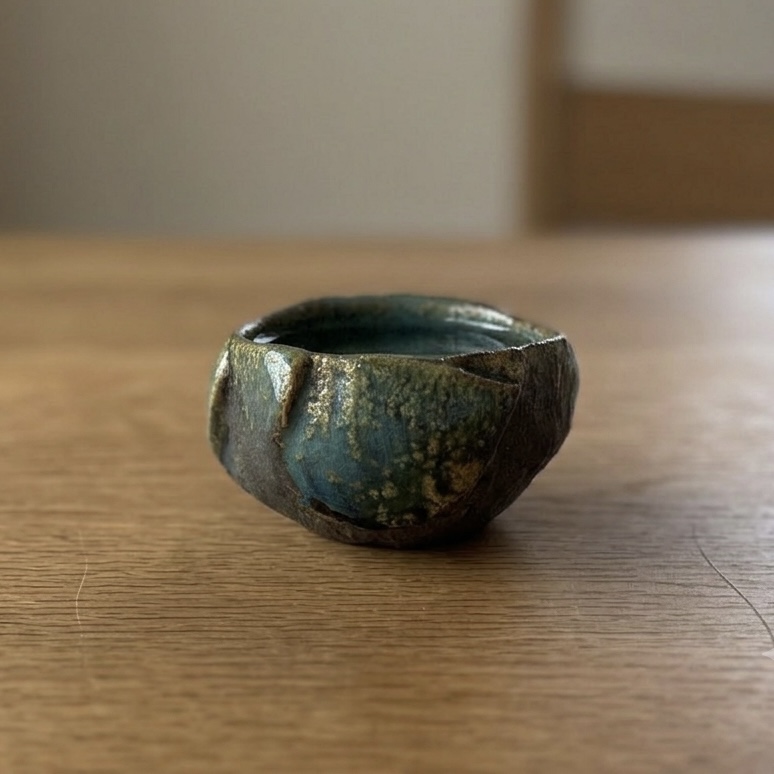
For shochu with hot water or room-temperature sake in the evening, choose a small cup 7 to 8 cm tall. Unglazed yakishime feels smooth and dry on the lips and gains a soft sheen over years of use. It holds more than a guinomi (sake cup), so you do not have to keep topping it up.

Wine, or a Slightly More Formal Table: A Footed Goblet
For wine, fruit liqueur or an aperitif when guests come, choose a ceramic goblet on a foot. There is no handle, but you can hold the stem, so your hand does not warm the drink, and the added height makes the table feel more formal.

Soup, Yogurt, or a Soba Choko: A Wide, Near-Cylindrical Cup
Cup soup, morning yogurt, soba dipping sauce. If you want to use it for more than drinks, a near-cylindrical cup 9 to 10 cm across the rim is handy. A spoon fits in easily, and it also works for dips or a small dessert.

A Gift for Two: The Same Shape in Different Colors
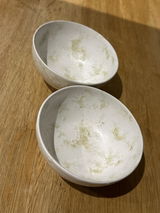
A free cup makes a good gift because you do not need to know what the recipient drinks. For two people, choose two cups in the same shape with different glaze colors. They make a natural pair without matching too closely. The blue cup in the everyday tea photo and this pale purple cup are the same shape in different colors. For more ideas, see our Japanese pottery gifts.

Quick Guide: Scenes and Cup Shapes
| Scene | Shape that suits | Height guide |
|---|---|---|
| Tea for guests | Small cup with a flared rim | About 7 cm |
| Everyday tea and coffee | Round cup for both hands | About 8 cm |
| Hot drinks | Thick cup with ridges or texture | 8 to 9 cm |
| Cold tea and highballs | Tall tumbler | 11 to 12 cm |
| Beer | Yakishime cup with a flared rim | 13 to 15 cm |
| Shochu and sake | Small yakishime cup | 7 to 8 cm |
| Wine and aperitifs | Footed goblet | 12 to 13 cm |
| Soup and yogurt | Wide, near-cylindrical cup | About 8 cm |
For sun, cm and inch conversions, see our size chart.
Clay and Glaze
Once you have settled on a shape, choose by clay and glaze last.
- Kohiki white A soft white with the color of the clay showing faintly beneath the white slip. It suits both Japanese and Western tables. More in our article on kohiki
- Hagi glaze Over years of use, tea and coffee seep into the fine crackle and the color changes little by little. See our article on Hagi ware too
- Yakishime A cup of bare clay fired without glaze. It feels smooth and dry on the lips and gains a sheen the more you use it
Microwave and Dishwasher: Check Each Cup
A free cup is used every day, so it is worth checking care before you buy. The answer depends not on the shape but on the clay, glaze and firing. Among the cups we carry now, some are fine in both the microwave and dishwasher, some are fine with conditions, and some are hand wash only.
Each product page states what is safe for that piece. How to read the labels is covered in our article on microwave and dishwasher safe pottery.
Related Articles
Cups and Drinks
- Yunomi: How to Choose a Japanese Tea Cup
- Japanese Ceramic Mugs: Why Handmade Changes Your Coffee
- Japanese Plate Sizes: Sun to cm Conversion Chart
- Microwave and Dishwasher Safe Japanese Pottery: 73 Makers Answer
Clay and Glaze
- Kohiki Pottery: The White Slip Technique, Explained
- Hagi Ware: The Tea Bowl That Changes Colour as You Use It
- Shinogi: The Carved Ridges on Japanese Pottery
One Cup for Tea, for Coffee and Beyond
From small cups for guests to tall tumblers for cold drinks and yakishime cups for beer. Choose the one that fits your hand, starting with when you will drink from it.
Shop free cupsFAQ
What is the difference between a free cup and a yunomi?
Are hot drinks hard to hold without a handle?
Can free cups go in the microwave or dishwasher?
Shop the related pieces
Free Cups & Tumblers
18 pieces See all


Japanese Mugs
76 pieces See all
Utsuwa no Yukue
Pine Ash Glaze Compact Mug
$252.00
Japanese Coffee Cups

jiucasca
Ash-Blue Glaze Coffee Cup — Kyoto
$364.00
Japanese Coffee Cups

yoshida pottery
Ball-Footed Coffee Cup, Brown
$435.00
Japanese Coffee Cups

Kawasumi Tomokazu
Woodgrain Yunomi Teacup — Kasama
$182.00
Mugs
New to Japanese pottery? Start here — its history, how pottery differs from porcelain, the clays and glazes behind each style, and how to care for a piece. → Japanese Pottery: The Complete Guide