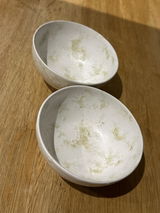

Artisan Kinoshita Moemi | Original Color Glazes, Chosen the Way You Choose an Outfit

Kinoshita Moemi is an artisan who worked at a Kyo ware kiln in Kyoto before setting up independently in Higashiosaka, Kinoshita Moemi's hometown.
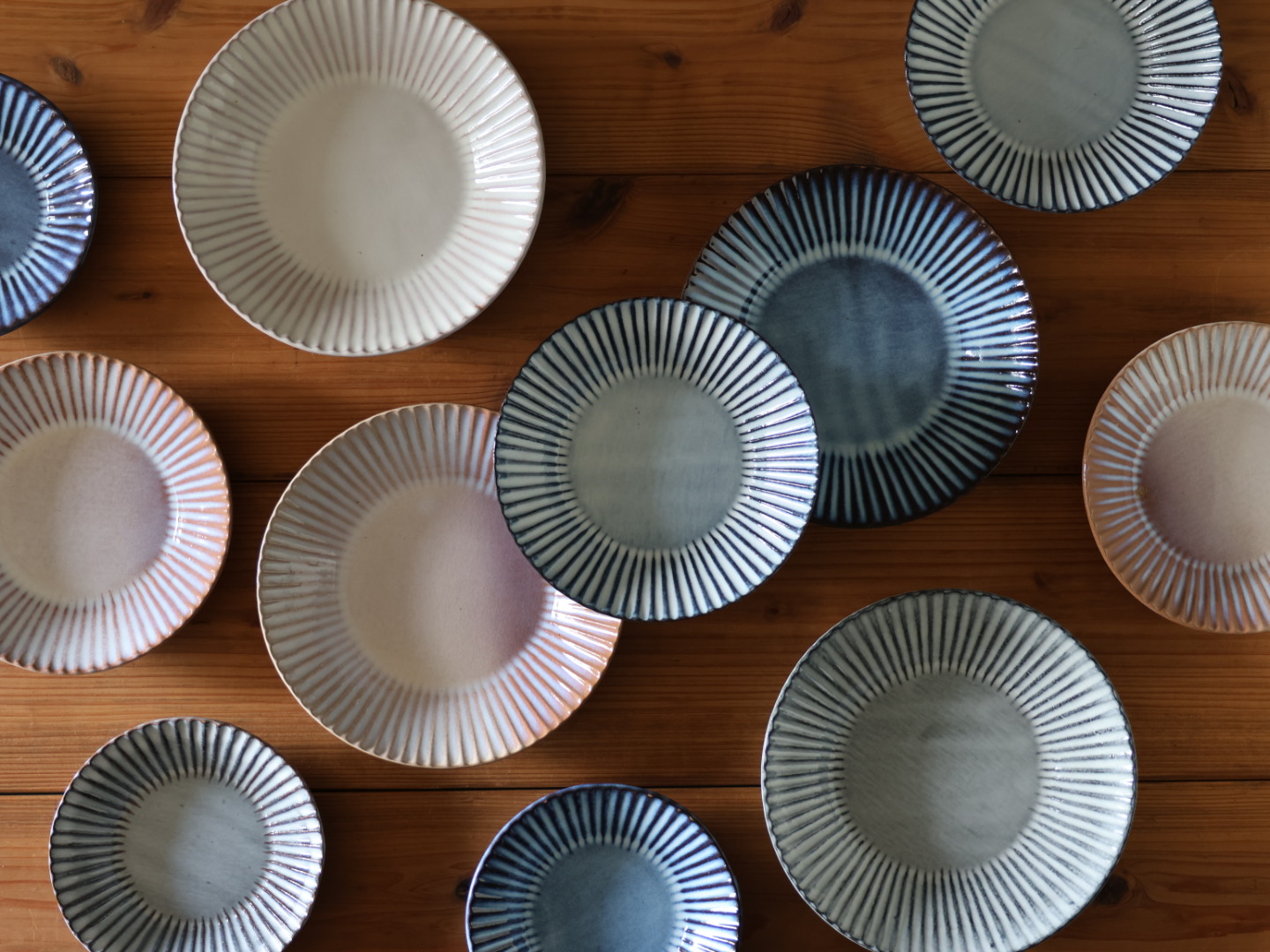
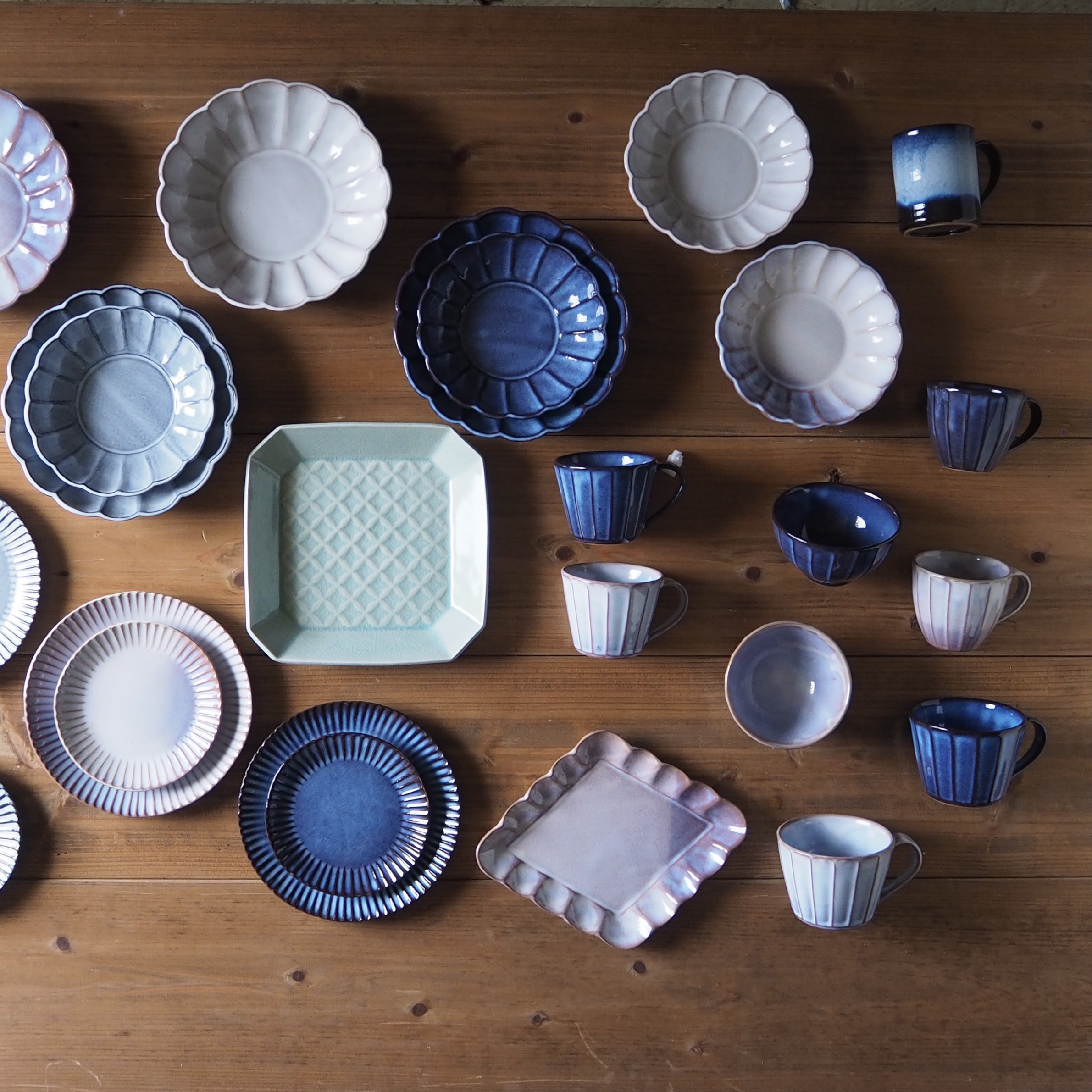
At the root of the work is one wish: "I hope people will coordinate pottery casually, the way they put together an outfit." Using original glazes mixed one color at a time, Kinoshita Moemi creates colors that make food look good and go easily with other tableware.
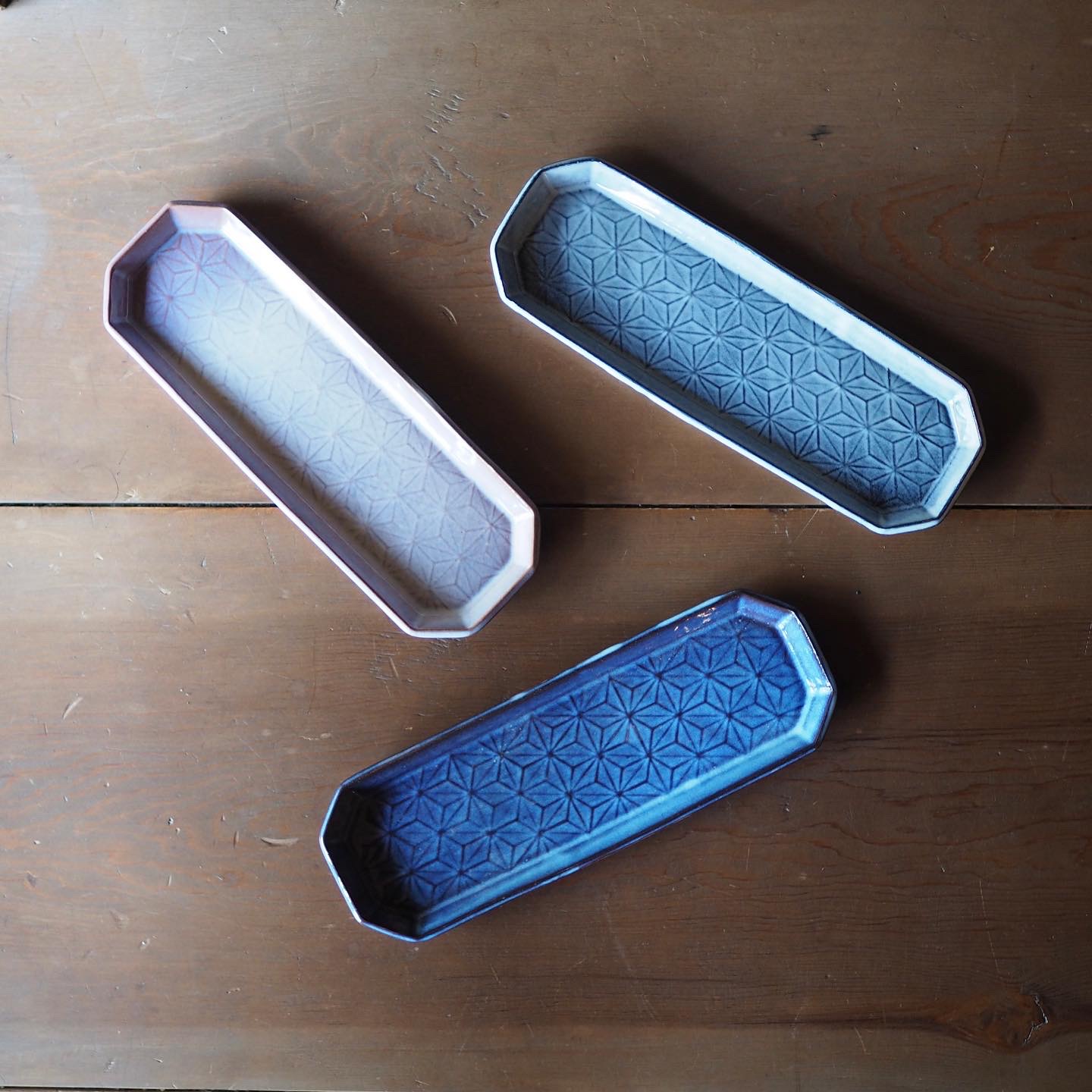
The pieces are the ones that come out most often at the everyday table: plates, rim bowls, oval plates, rice bowls, mugs, coffee cups and soup cups. This article introduces Kinoshita Moemi's colors and forms, and how to use them in daily life.
You can see each piece in Kinoshita Moemi's collection.
From a Kyo Ware Kiln to Hometown Higashiosaka
Kinoshita Moemi worked on pottery at a Kyo ware kiln in Kyoto, then went independent in Higashiosaka, Kinoshita Moemi's hometown, and now makes pottery for everyday use there.
Both color and form matter in the work. Beyond how a form suits its glaze, because these are pieces you pick up and use, the impression of weight when you hold one, and a sturdiness you can rely on every day, come first.
And the hope is to help, even a little, to lift the mood of an ordinary day or a slightly tiring one. This is pottery not for special occasions but for the everyday table.
Original Glazes, Mixed One Color at a Time
The colors of Kinoshita Moemi's pottery come from original glazes mixed one color at a time. The aim is colors that make food look good and go easily with other tableware. nokaze carries four colors: Blue, Light Blue, Black and White.
Blue and Light Blue, Inspired by Denim

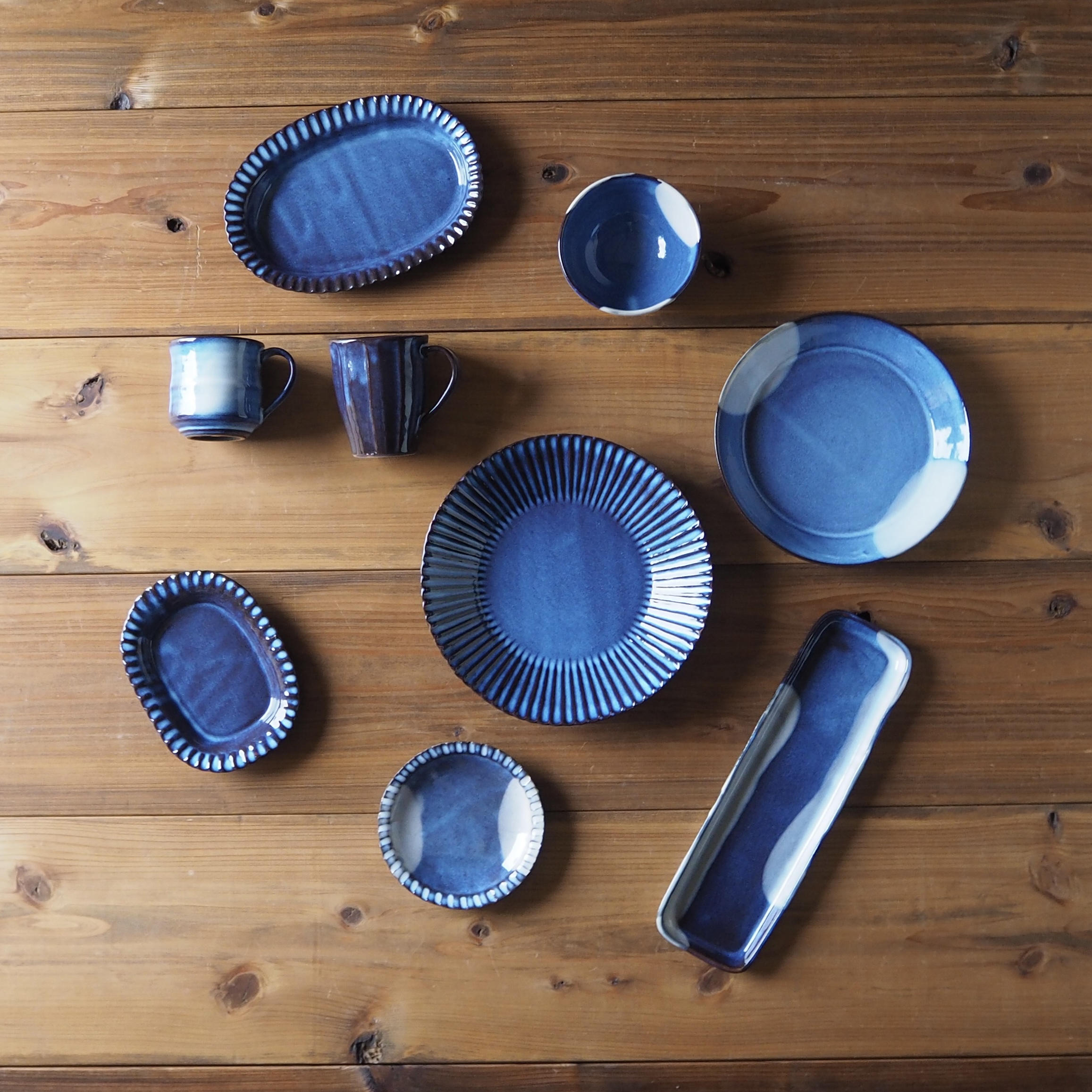
Blue and Light Blue are two colors inspired by denim: a deep blue, and a pale blue with a slight gray tint. Both are glossy glazes, and the shading of the blue wavers as the light falls on it.

The photo shows a coffee cup in Blue. Look closely and a fine line runs along the rim. It is a playful glaze that brings out a line along the rim, like the stitching on denim. Just as denim goes with any outfit, this blue pottery fits with Japanese food, Western food and other pottery.
Blue and Light Blue come as rim plates, oval plates, warped oval bowls, rice bowls, mugs and coffee cups, so you can keep the table to one color or mix the two. For choosing blue pottery in general, see our guide to blue Japanese tableware, and for blue pieces by other artisans, the blue tableware collection.
Chic Black and Soft White

The other family is Black and White. Black has a chic, calm matte black finish. As on the Plate L in the photo, fine speckles float in the black, and each plate looks different.
White is a soft white close to unbleached cloth. A faint brown line runs along the rim, giving even a white piece some warmth. Combine black and white, or add a single blue piece to either, and the table comes together. For choosing black pottery, our guide to black Japanese tableware is also helpful.
Forms Made to Be Picked Up and Used
Kinoshita Moemi's pieces carry everyday ease of use in their forms too. Here are a few of the details, piece by piece.
The Rim Bowl, Where the Rim Creates Space

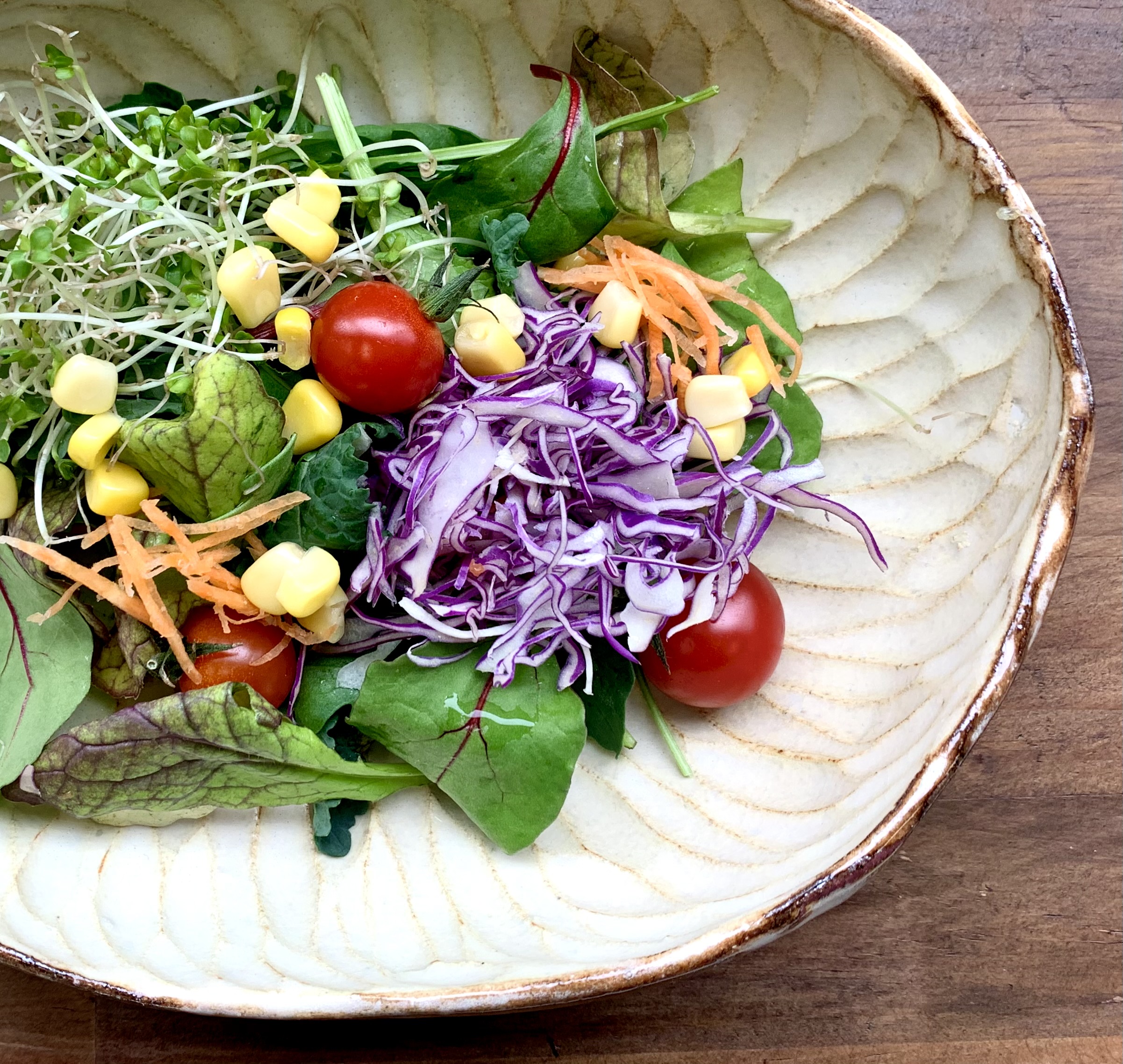
The rim bowl is an all-purpose bowl with a warm, round form accented by a crisp rim. It has a comfortable depth, so you can serve dishes with sauce or broth without worry. The rim leaves open space, so even an ordinary home-cooked dish looks like it came from a restaurant just by being served in it. It comes in M and L: M for individual servings, salads and desserts, and L for a main dish or a shared platter for the family.
The Warped Oval Bowl, Its Mouth Bent Into an Oval

The warped oval bowl is a handy size, a little smaller than a donburi. Its mouth is warped into an oval, which becomes an accent on the table. It works for a wide range of food, from simmered dishes and aemono sides to a salad bowl for sharing, saucy dishes and light noodles.
A Blue Rice Bowl That Sets Off White Rice

Blue is a little unusual for a rice bowl, but it is the color that sets off freshly cooked white rice most beautifully. The line that narrows sharply from the lower body to the kodai foot ring makes it both easy to hold and steady when set down. Use it as your everyday rice bowl, or as a small bowl for side dishes. The White rice bowl has a rounded shape with a slightly flared foot ring, a form that makes it easy to serve rice light and fluffy. For choosing a rice bowl, see our article on how to choose a rice bowl, and for rice bowls by other artisans, the rice bowl collection.
A Soup Cup With Handles

The soup cup is on the large side, good for stew of course, and for everything from breakfast granola to simmered dishes and noodles. Hold it by the handles on both sides and you can easily lift it even when it is hot from the microwave. Details like this show Kinoshita Moemi's care for "things you pick up and use."
How to Use It at the Everyday Table
The appeal of Kinoshita Moemi's pottery is that you can enjoy combining pieces the way you put together an outfit. Here are some ways to use them.
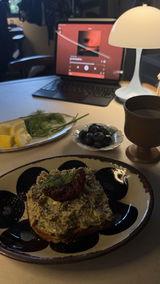
- For a one-plate breakfast Bread and salad on an oval plate or Rim Plate M. The Oval Plate L also works for a main dish such as pasta
- For snack time Arrange desserts or baked sweets on a Rim Plate S or Oval Plate M for a café feel
- For coffee and tea The wide-mouthed coffee cup makes it easy to enjoy the aroma, and suits guests too. On days you want plenty, reach for the large mug, a companion for desk work or reading
- For sharing at dinner Serve the main dish in a Rim Bowl L or warped oval bowl, and use a Rim Bowl M or rice bowl for individual portions. It all comes together whether you match one color or mix them
For choosing a mug, our article on Japanese ceramic mugs is also helpful. Once you find a combination you like, compare colors and forms in Kinoshita Moemi's collection.
Microwave and Dishwasher Safe
Kinoshita Moemi's pieces are microwave and dishwasher safe. They cannot go in the oven. Being able to use them every day without worry is something only Kinoshita Moemi's pottery, made with everyday sturdiness in mind, can offer. For details on handling, see the description on each product page and our article on microwave and dishwasher safe pottery.
Related Articles and Terms
The Region and Background
- Kyo Ware and Kiyomizu Ware: Kyoto's Refined Ceramics
- Kodai (Foot Ring): The Part Collectors Check First
Choosing and Using Pottery
- Blue Japanese Tableware: Sometsuke, Gosu, Celadon and Ruri Glaze
- Black Japanese Tableware Guide: Black Glaze, Hikidashi-guro and Lacquer for Food That Stands Out
- How to Choose a Japanese Rice Bowl (Chawan)
- Japanese Ceramic Mugs: Why Handmade Changes Your Coffee
- Microwave and Dishwasher Safe Japanese Pottery: 73 Makers Answer
Everyday Pottery, Chosen the Way You Choose an Outfit
Original glazes mixed one color at a time, and forms made to be picked up and used. See Kinoshita Moemi's pottery, which makes food look good and goes easily with other pieces, in the collection.
See Kinoshita Moemi's potteryFAQ
How are the colors of Kinoshita Moemi's pottery made?
Can Kinoshita Moemi's pieces go in the microwave or dishwasher?
Who is Kinoshita Moemi?
Shop the related pieces
Kinoshita Moemi
28 pieces See all


Blue Japanese Tableware
72 pieces See all
Utsuwa no Yukue
Pine Ash Glaze Compact Mug
$253.00
Japanese Coffee Cups

Teramoto Shiori
Large Bowl — Seto Porcelain
$286.00
Bowls

Furutani pottery
Gosu Blue Line Rice Bowl, Small — Shigaraki
$175.00
Japanese Rice Bowls

Higuchi Maki
Grape Oval Plate
$635.00
Plates
New to Japanese pottery? Start here — its history, how pottery differs from porcelain, the clays and glazes behind each style, and how to care for a piece. → Japanese Pottery: The Complete Guide