Oseibo: Choosing Japanese Pottery as a Year-End Gift

Oseibo, the Japanese year-end gift, is the one where you know exactly who it is for and cannot decide what to send. Food divides opinion. Household things say too much about your own taste.
Which is why pottery works. A piece of pottery is handed over with the choosing left in it. The recipient decides when it comes out, so it rarely feels imposed.
This article narrows the choice down to four things: budget, number of pieces, the noshi, and what to avoid.
You will sometimes hear that pottery is unlucky because it breaks. In present-day gift-giving, though, almost nobody avoids pottery on those grounds. What to do when you cannot tell whether the recipient minds is covered later in this article.
When to send oseibo
| Item | Guide |
|---|---|
| Timing | Arriving between early December and around 20 December |
| If you are late | Change the wording to onenga in the new year, or kanchu-omimai once matsunouchi has passed |
| Noshi | Red and white bow knot, written oseibo |
| Usual range | A modest piece. One step up for a senior or someone particular |
Unlike food, pottery keeps, so you have more freedom on timing. After 20 December, though, the recipient is travelling home or busy with the end of the year, and simply taking delivery becomes a burden.
Start from the budget
The main reason oseibo is hard to decide is that you look at the pieces first. Pottery runs from modest pieces to costly works, so deciding after looking has no end to it.
Fix the amount first, then choose within it. That alone cuts the field to a tenth.
| Budget | What it buys |
|---|---|
| A light budget | Two small plates by a maker, or one rice bowl |
| A standard budget | One mug by a maker, or two side plates |
| A generous budget | A pair of rice bowls, two medium plates, or a sake set |
| A special gift | One large plate, or a flower vase. Think first about whether there is room for it in their home |
Spending more is not better. Oseibo assumes you will send something again next year, so an opening gift that is too expensive raises your own baseline for every year after it.
Decide the number by who will use it, not by superstition
Odd numbers are the rule at celebrations. Oseibo, though, is not a celebration. It is a greeting at the close of the year. What settles the number is not luck but how many people in the household will use it.
- Living alone One piece. More than that crowds the cupboard.
- A couple, two in the house Two. Rice bowls or yunomi as a pair.
- A family, or you do not know how many Two or five. Five is the standard unit for Japanese tableware and covers guests.
- A company or client One. It is not shared, so there is no point in adding numbers.
Only four is worth avoiding. More than the number itself, the loss is the moment the recipient spends thinking about it.
What to send for oseibo
1. Side plates and medium plates
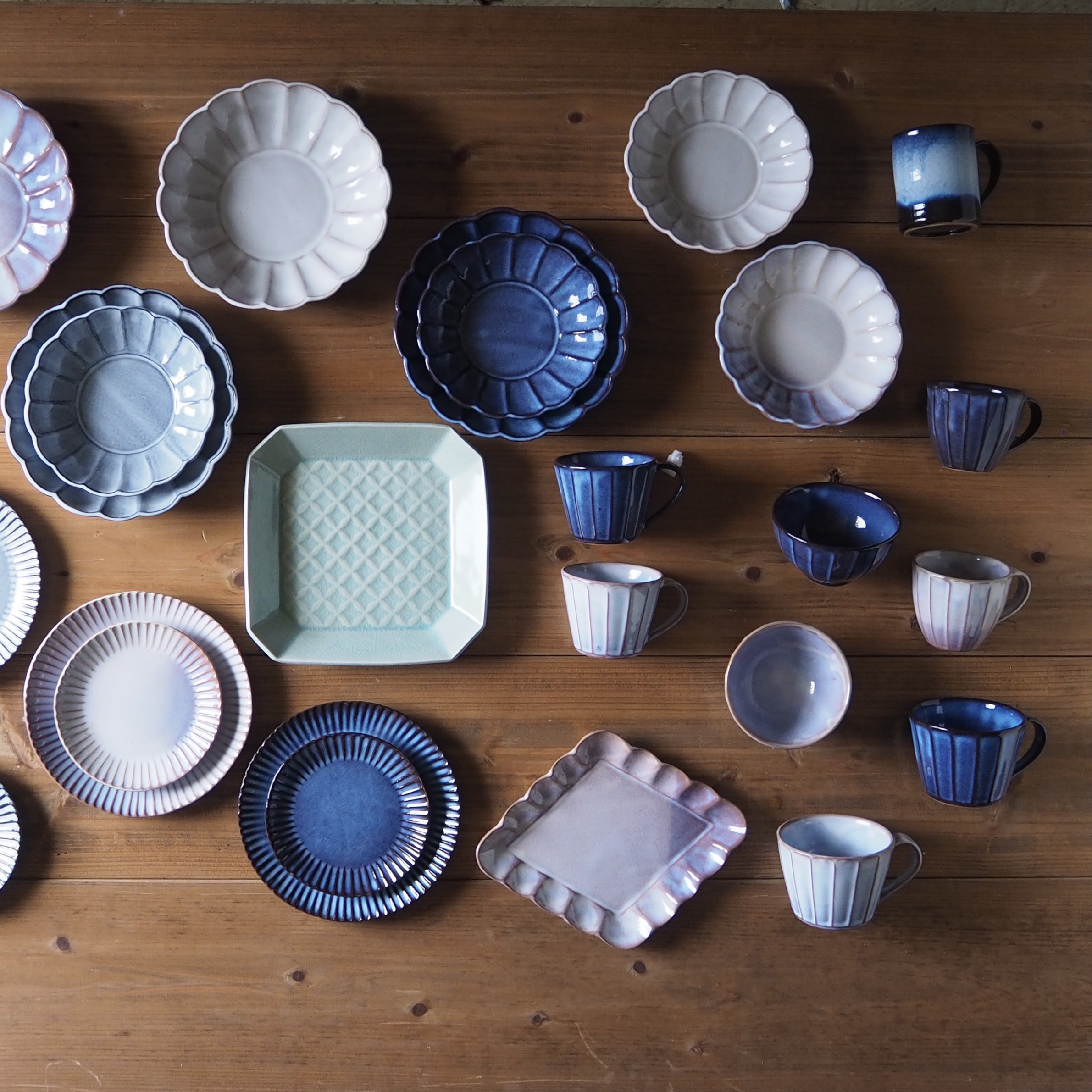
The hardest to get wrong. A plate 15 to 18cm across works with Japanese food, with Western food, and for sharing. Even if they already have some, more of them is not a problem.
Choose white, natural off-white, or sometsuke blue and white. Those do not fight the colour of the food.
2. Mugs and yunomi
They are used daily, so the gift stays in the recipient's mind. But the size of the handle and the weight are matters of taste. If you do not know the size of their hands, a yunomi with no handle is the safer choice.
3. Rice bowls
At a Japanese table this is the one piece held in the hand and brought to the mouth. That makes it personal in a way the others are not, which is what gives it meaning as a gift. For a couple, send a pair.
4. Sake ware
Only when you know they drink. Send it to someone who does not and it never comes out. A tokkuri flask with a guinomi cup, or two guinomi.
What to avoid
- Strong patterns Your own taste comes through unfiltered, and the odds of clashing with their cupboard go up.
- Anything too large Large plates and large bowls take up storage. Safer not to send them to someone whose home you do not know.
- Pieces that need looking after Unglazed yakishime and kohiki need seasoning before first use. You would be handing over a chore.
- Sets you cannot top up Send five one-off pieces and there is no replacing the one that breaks.
- Blades and footwear Not pottery, but in the same gift-giving context they read as cutting ties and treading underfoot.
When you cannot tell whether the recipient minds breakable things, the answer is not to send something else but to add a line. Write that you hope they will use it every day, and it goes over as an everyday object that is expected to break eventually. Breaking is only a problem for something handed over as a keepsake. Hand it over as something to use, and nobody takes offence.
The noshi, and handing it over
| Item | How to write it |
|---|---|
| Wording | Oseibo |
| Mizuhiki cord | Red and white bow knot, because it is a greeting that may be repeated |
| Your name | Below the cord, a little smaller than the wording |
| Sending by post | Uchi-noshi, inside the wrapping paper, so it is not damaged in transit |
| If they are in mourning | Oseibo may still be sent. Leave off the red and white cord and use plain white hosho paper |
When you post pottery, write on the waybill that it is fragile. It changes how the recipient handles it when they open it.
A quick answer by recipient
- A manager or a senior Two side plates. White or sometsuke. Being safe is the point.
- Your parents or in-laws A pair of rice bowls, or side plates in a set of five. You know the numbers, so the count cannot go wrong.
- A friend One mug. You know their taste, so there is room to choose a pattern.
- A client One piece with the maker's name on it. It becomes a talking point and carries into next year.
- Someone overseas A small plate, or a rice bowl with a solid foot ring. Less likely to break, and it packs small.
Related reading
Choosing it as a gift
- Japanese Tableware Basics: The First Five Pieces and How to Use Them
- Before You Buy Japanese Tableware Online: What to Check
- Clay vs. Porcelain Clay | How Differences in Clay Determine a Piece's Character
Worth knowing before you send
- Medome: How to Seal Unglazed Pottery Before First Use
- Caring for Stoneware: How It Differs From Porcelain, and What to Do
- Kodai (Foot Ring): The Part Collectors Check First
Pieces available at Nokaze
Choose the piece you will send
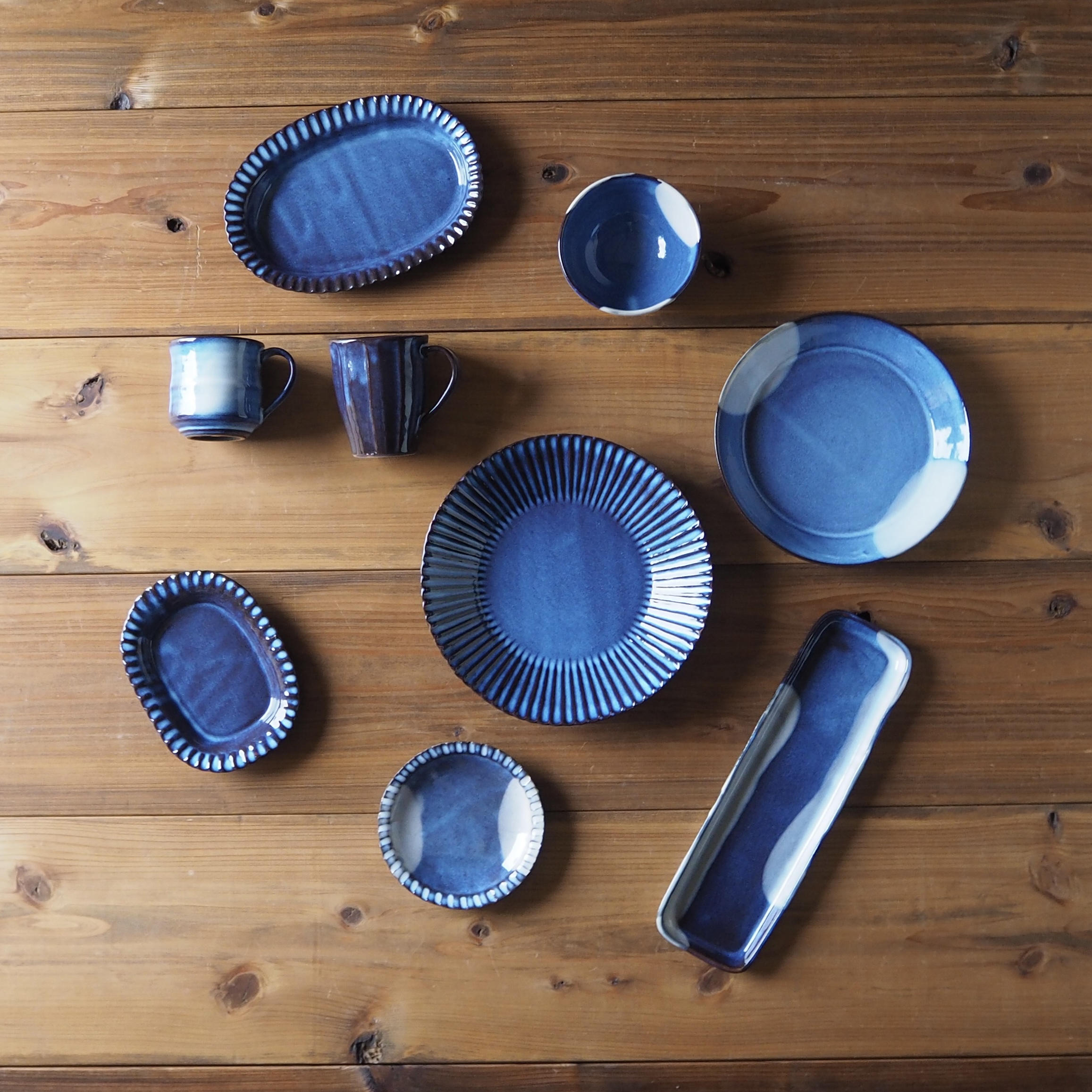
Oseibo is a greeting that comes round every year. That is exactly why a piece with its maker's name on it becomes next year's conversation. We send pieces made one at a time by hand by makers across Japan, direct from where they were made.
See work by our makersShop the related pieces
For Gifts
41 pieces See all
Utsuwa no Yukue
Pine Ash Glaze Compact Mug
$254.00
Japanese Coffee Cups

Furutani pottery
Rust Glaze Foliate Rim Plate, Medium — Shigaraki
$239.00
Plates

Furutani pottery
Rust Glaze Foliate Rim Deep Plate, Small — Shigaraki
$176.00
Plates

Furutani pottery
Gosu Blue Line Rice Bowl, Small — Shigaraki
$176.00
Japanese Rice Bowls
New to Japanese pottery? Start here — its history, how pottery differs from porcelain, the clays and glazes behind each style, and how to care for a piece. → Japanese Pottery: The Complete Guide