
Oribe Ware: The Green Glaze That Broke the Rules

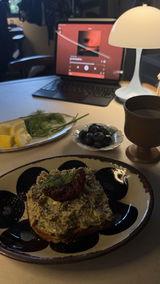
Oribe is the style of pottery born in the Mino region in the Momoyama period, from the late 16th into the early 17th century. Its defining features are a vivid copper-green glaze, bold geometric iron painting, and forms deliberately distorted.
The name comes from Furuta Oribe, a pupil of Sen no Rikyu known as a daimyo tea master. Because his radical eye is so strongly reflected in the work, a later age gave it his name.
It is pottery that draws a clear line away from the plain wabi-sabi that came before — avant-garde for its time. Asymmetry, deliberate breaking of harmony, patterns cut off at the rim. Set beside modern art today, it does not look out of place.
Where the green comes from
Oribe green arises from oxidation-firing a copper-bearing glaze. The same copper turns red (shinsha) in reduction. It is a difficult metal, giving opposite colors from a single difference of firing.
And Oribe green is not applied to the whole piece. Only part is covered in green, and iron painting draws designs across the white ground that remains. This bold composition of dividing the glaze is the essence of Oribe. Splitting a piece top from bottom or left from right and letting entirely different expressions share it — that was the aesthetic Furuta Oribe favoured.
Where the green glaze has run and pooled, it sinks deep and dark. The depth of that pooling is another point to look at.
Kinds of Oribe
- Ao-Oribe The contrast of vivid green glaze with geometric and plant designs in black iron on a white ground. The most popular style.
- So-Oribe The whole piece covered in green glaze alone — a clean, decisive style.
- Kuro-Oribe A jet-black body in iron glaze with only a window of white ground left for iron painting. A dignified style often seen on tea bowls.
- Shino-Oribe and Aka-Oribe Using the character of white or red clay to build a modern contrast with other glazes such as Shino.
Using Oribe
The green-glazed areas are firmly covered in glass and are strong. The white iron-painted areas, by contrast, carry thin glaze and can absorb. Carrying out medome at the start is reassuring.
For serving, the green is strong, so limiting the number of colors in the food makes it work. White dishes, sweets, small dishes with sake. As our guide to glaze notes, the rule is that when the piece speaks, the food stays quiet.
Related terms and guides
Related terms
- Shino Ware: Japan's First White Glaze, and Its Red Blush
- Ki-Seto: The Yellow Glaze With Green Bleeding Through
- Shita-etsuke: Underglaze Painting and Why It Never Fades
- Medome: How to Seal Unglazed Pottery Before First Use
- Japanese Pottery Glossary | Terms, Techniques & Kilns
Read further
- Mino Ware Guide: Oribe, Shino and Japan's Biggest Kiln
- Japanese Pottery Glazes: The Main Types Explained
- Japanese Pottery Patterns: What the Motifs Actually Mean
- Tea Ceremony Ceramics: A Short History of the Chawan
Look at how green and white divide
Deep green where the glaze pooled, and a white ground crossed by iron painting. Every Oribe piece divides differently. Nokaze introduces pottery from Mino and across Japan.
Browse Mino potteryFAQ
What kind of pottery is Oribe, and where does the name come from?
Is there Oribe in colors other than green?
Isn't the distortion in Oribe a failure?
Shop the related pieces
Tajimi
5 pieces See all


Japanese Painted Ceramics
42 pieces See all
Higuchi Maki
Squid Plate, 15cm
$1,493.00
Plates

Komuro Shizuka
Hokkaido Flower Field Large Plate
$3,110.00
Plates

Higuchi Maki
Grape Free Cup, Blue and Red
$1,244.00
Japanese Tea Cups (Yunomi)

jiucasca
Sometsuke Floral Vase — Kyoto
$933.00
Japanese Vases
New to Japanese pottery? Start here — its history, how pottery differs from porcelain, the clays and glazes behind each style, and how to care for a piece. → Japanese Pottery: The Complete Guide