
Celadon (Seiji): The Blue-Green Glaze of Iron and Fire

Celadon, or seiji, is pottery in which an iron-bearing glaze is applied to the body and fired high in reduction — with the kiln's oxygen restricted — to bring out a blue-green or jade color.
Before firing, celadon glaze looks like nothing but grey or brown. Only when oxygen is drawn away from the trace iron in the glaze inside the kiln does it change into that mysterious blue. The same iron turns yellow or brown in oxidation. Among the glazes in glaze, it is the one where the difference of firing shows most dramatically.
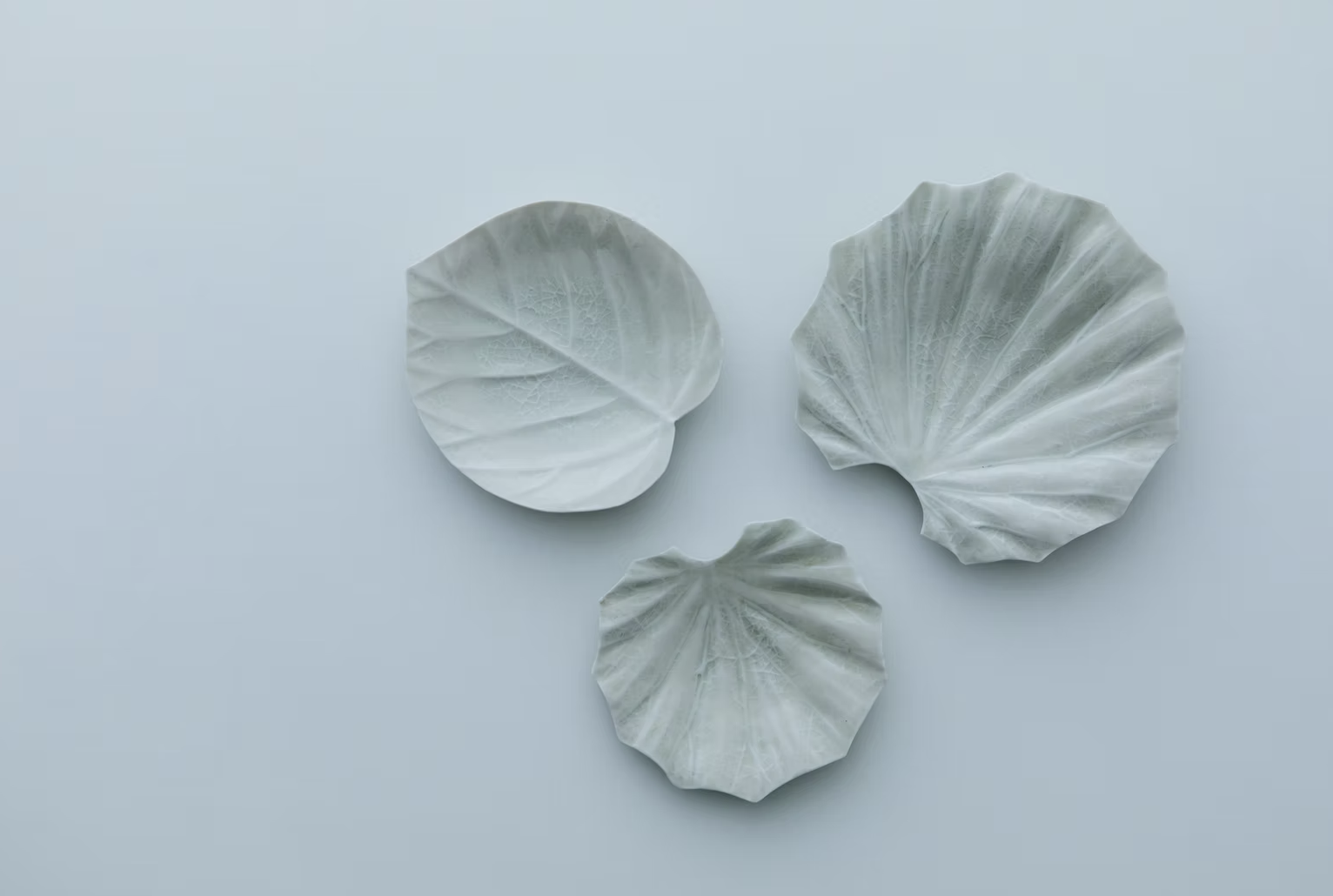
It reached its summit in Song-dynasty China with the color of jade as the ideal, and in Japan dignified celadon is still made at Arita ware, Kyo ware and Nabeshima.
Why it turns blue only in reduction
The iron in celadon glaze becomes ferric iron when oxygen is present, giving a yellow-brown. Restrict the oxygen fed to the kiln and the flame tries to take the oxygen it lacks from the glaze and the clay. The iron then shifts to ferrous iron, and the color comes out blue-green.
In other words, the color of celadon is not decided by the glaze recipe alone. Everything rests on controlling the air inside the kiln over many hours. That is why a maker cannot leave the kiln.
Why celadon differs from piece to piece
| Factor | Condition | How it looks |
|---|---|---|
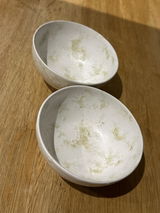
| Body color | White porcelain clay | A pale blue with the transparency of a lake surface |
| Body color | Dark, iron-rich stoneware clay | A deep, viscous jade |
| Glaze thickness | Thin | The body shows through; the blue stays clear |
| Glaze thickness | Thick or layered | Pooling darkens and depth appears |
| Crazing | Fine | The lines darken with use and the piece develops |
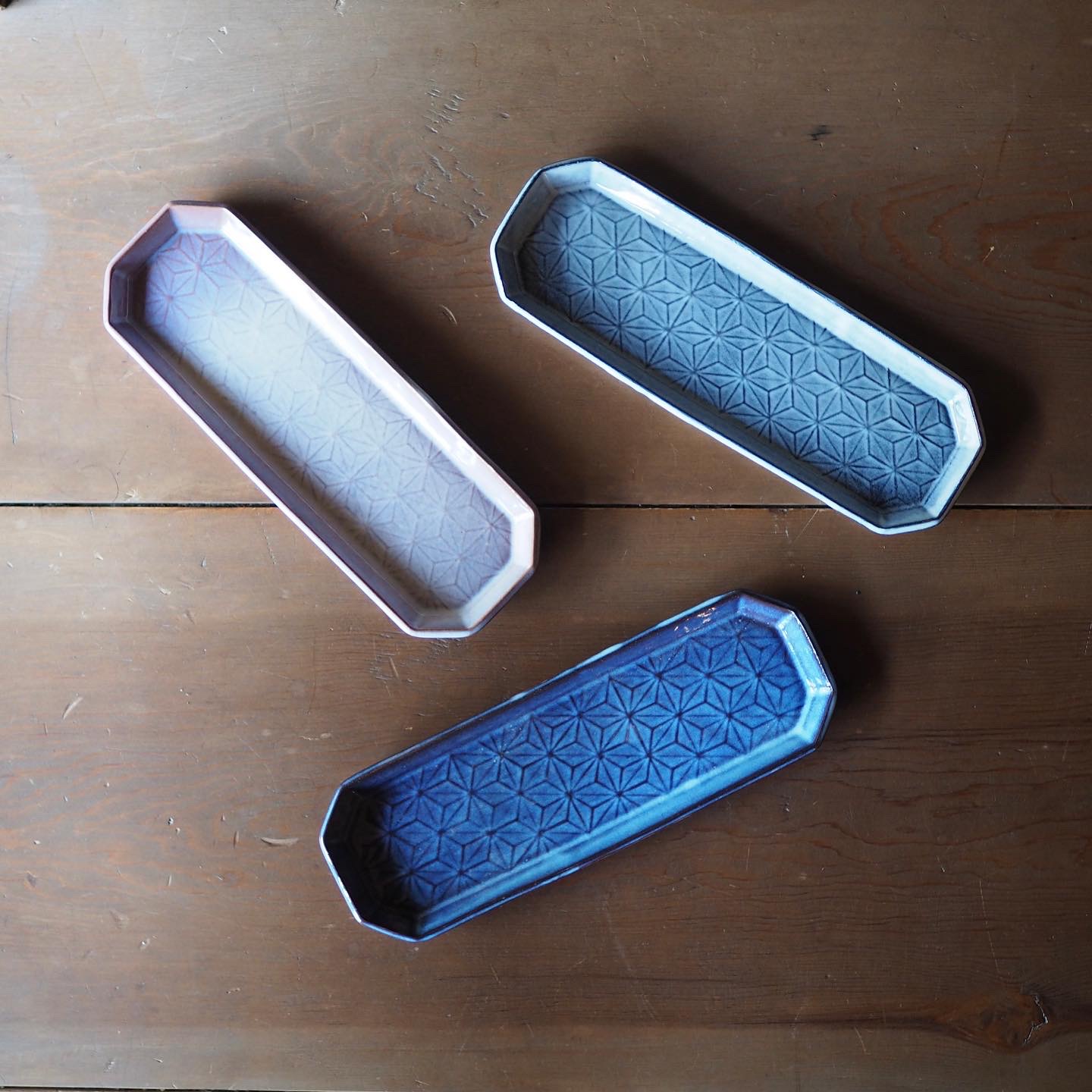
The cracking that enters through the difference in shrinkage between body and glaze on cooling is crazing. There is also a style that deliberately works ink into it, enjoying the result as a spiderweb geometry.
Using celadon
Porcelain celadon absorbs almost nothing. It suits daily use, and many pieces tolerate the dishwasher.
Celadon glaze laid thickly on stoneware clay, by contrast, lets tea and coffee soak in through the crazing. That is not deterioration but keinen bika, in which the crazing lines rise darker the more the piece is used. If staining concerns you, carry out medome at the start.
Related terms and guides
Related terms
- Gosu: The Cobalt Blue Behind Japanese Sometsuke
- Shino Ware: Japan's First White Glaze, and Its Red Blush
- Ki-Seto: The Yellow Glaze With Green Bleeding Through
- Keinen Bika: Pottery That Gets Better With Age
- Medome: How to Seal Unglazed Pottery Before First Use
- Japanese Pottery Glossary | Terms, Techniques & Kilns
Read further
- Japanese Pottery Glazes: The Main Types Explained
- Crazing (Kannyu): Cracks in Glaze That Aren't Damage
- Kyo Ware and Kiyomizu Ware: Kyoto's Refined Ceramics
- Arita Ware: Japan's First Porcelain, 400 Years On
Look at the depth of the blue
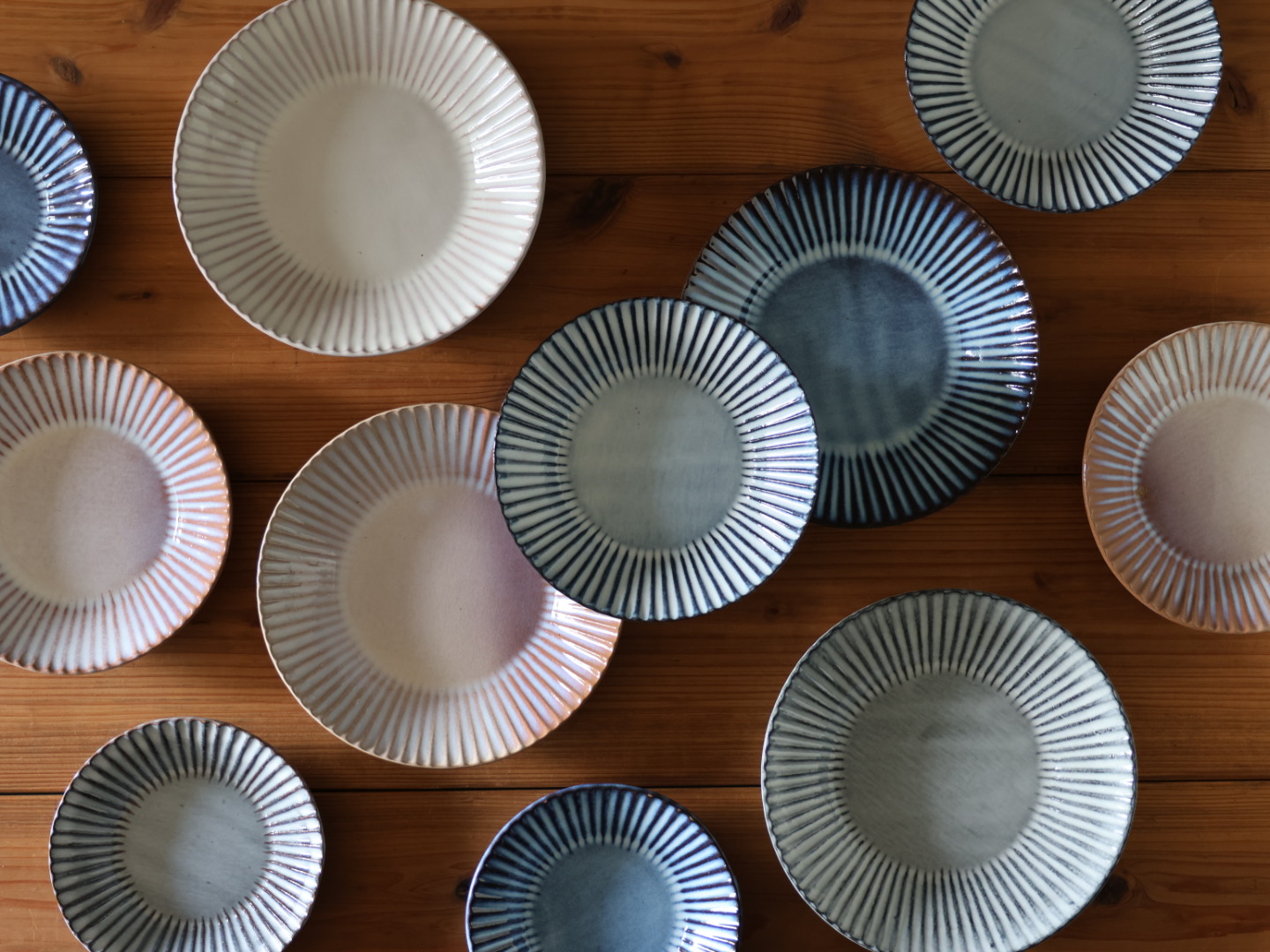
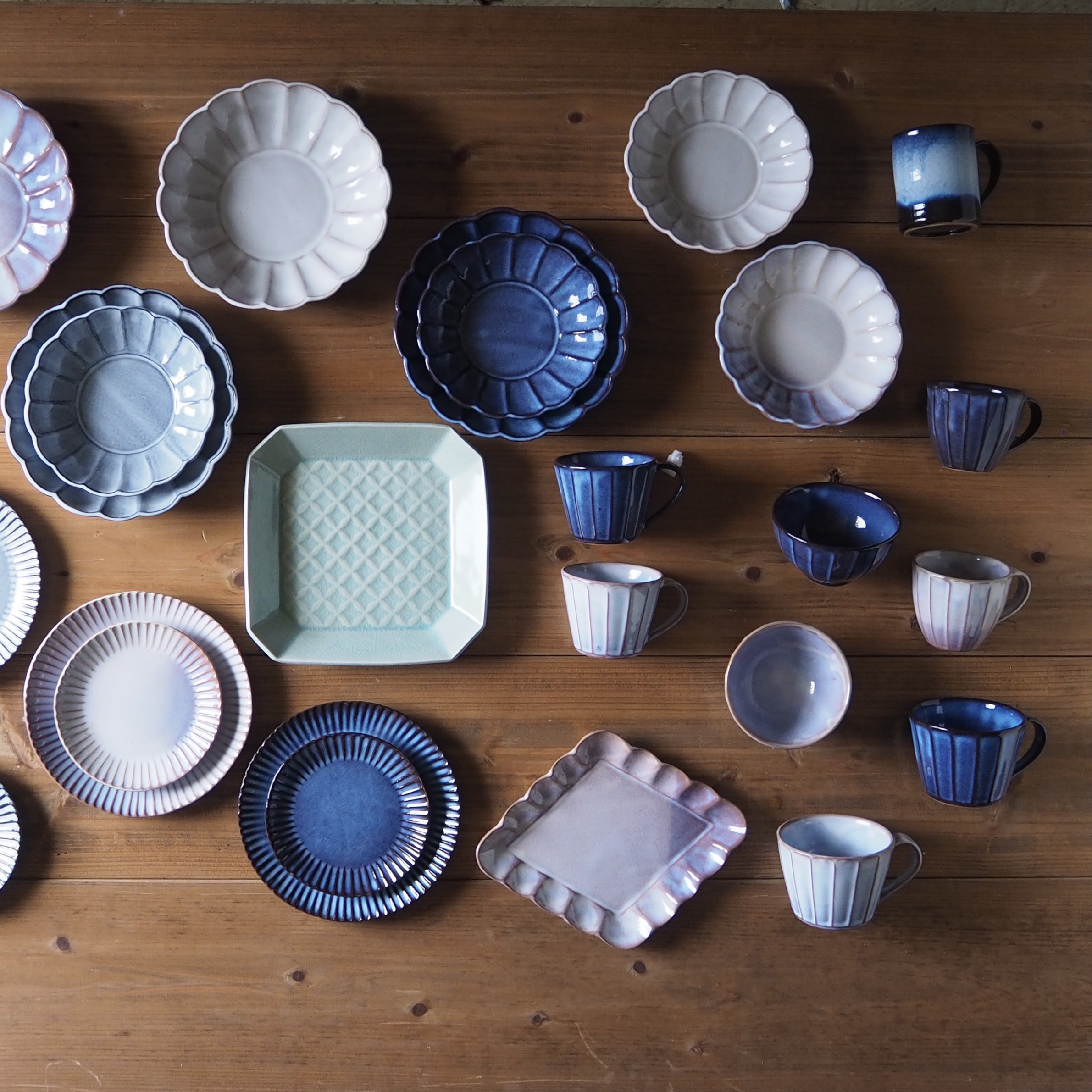
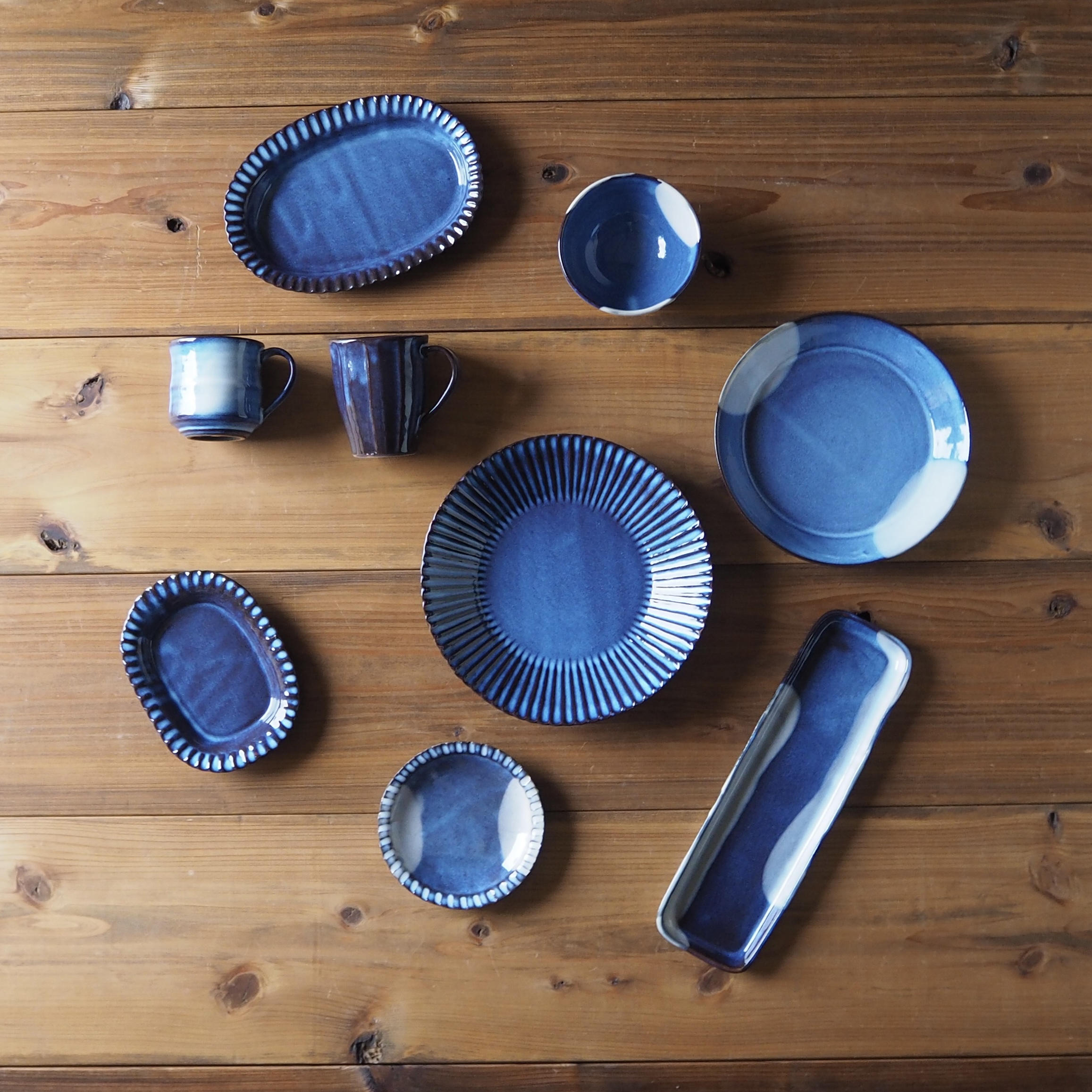
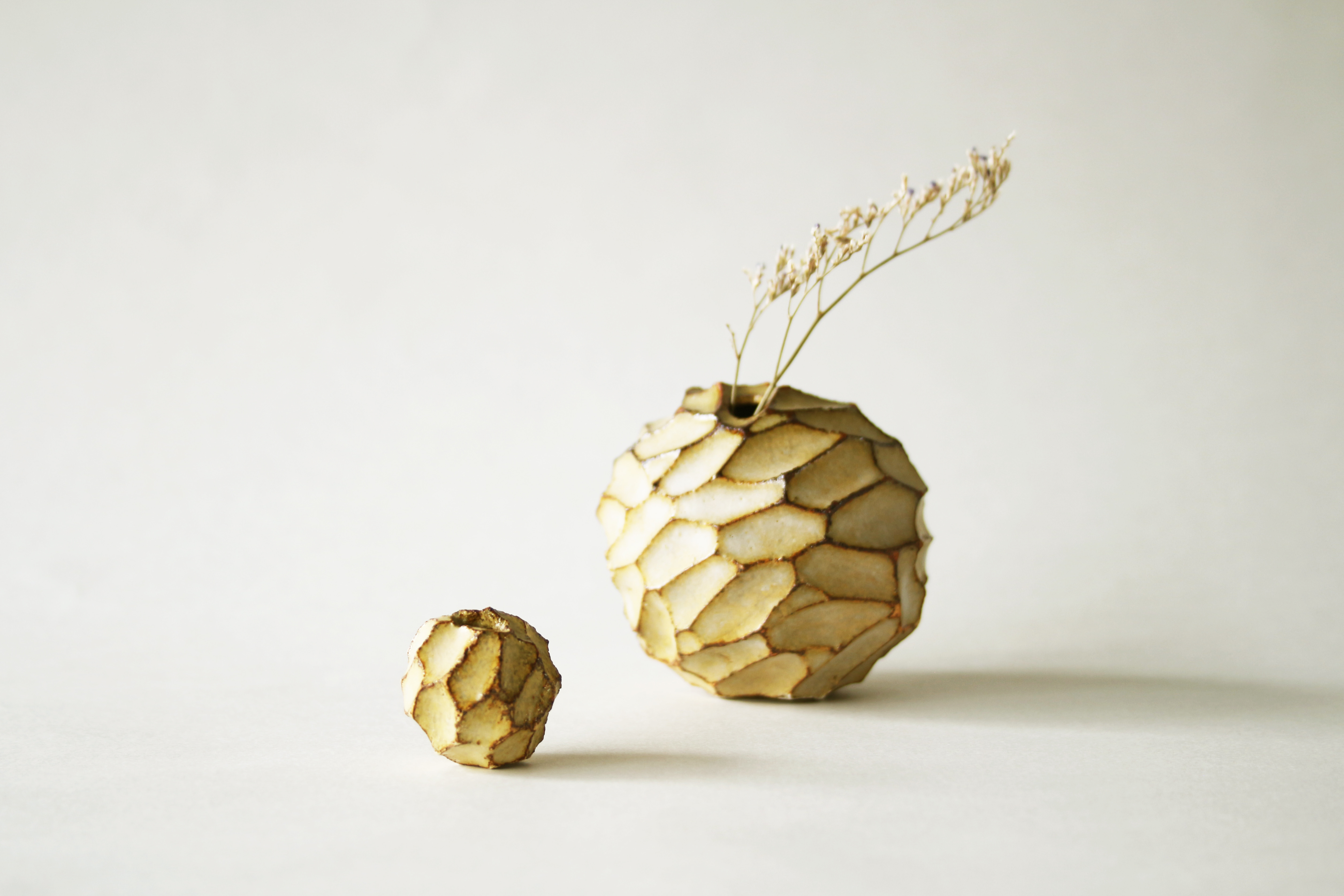
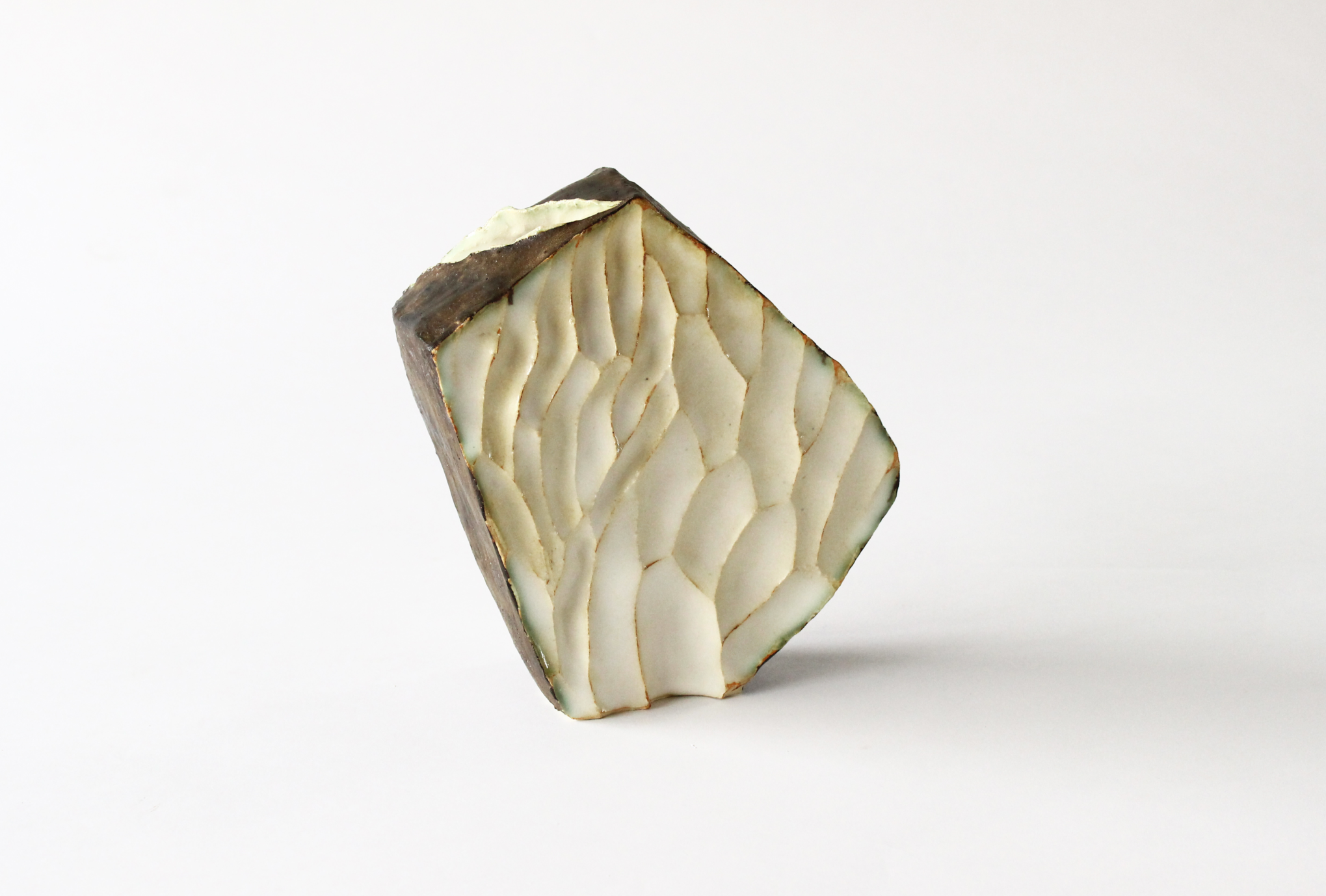
The darkness of the pooling, the fineness of the crazing. Even in photographs, no two celadon pieces are alike. Nokaze introduces pottery together with the background of its makers.
Browse new arrivalsFAQ
What is celadon, and why does it come out that beautiful blue-green?
Why does celadon range from clear blue to heavily crazed?
Is crazing on celadon a kind of breakage?
Shop the related pieces


New to Japanese pottery? Start here — its history, how pottery differs from porcelain, the clays and glazes behind each style, and how to care for a piece. → Japanese Pottery: The Complete Guide