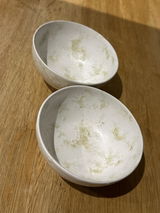

Takahama ware
Takahama ware is a kiln set at Takahama, where the white beaches of the west coast of Amakusa run on.
Behind its making lies the quarrying of Amakusa pottery stone, which has gone on since the middle of the sixteenth century.
Amakusa pottery stone has long been used as the main raw material for the porcelain that represents Japan: Arita ware, Imari ware, Mikawachi ware and more.
In the Edo period Hiraga Gennai is said to have praised it as "a clay for ceramics, a material without equal under heaven," so marked is the white, translucent beauty of the surface it produces. It is also a very unusual stone, in that porcelain can be made from that one stone alone.
In 1762 Ueda Dengoemon, sixth of the Ueda family, invited potters from Hizen and opened a kiln at Sarayama in Takahama. That was the beginning of Takahama ware.
Since then the techniques have been handed down through the generations, and porcelain has gone on being made that draws on the whiteness only Amakusa pottery stone gives.
Today we use raw stone of especially high quality, with almost no iron content.
It is fired into porcelain that is white, hard and translucent.
While holding to the beauty the material itself carries, we make simple, easy-to-use ware that settles into daily life.
Miru pattern
The miru pattern is now one of the motifs that stand for Takahama ware.
It takes miru, a seaweed that grows in the sea, as its subject, and it is a pattern handed down in Japan from long ago.
At Takahama ware this miru pattern appears on pieces fired around 1820, and around 2007 we revived that design as a reissued series. Today it is drawn on all sorts of ware as the pattern that represents Takahama ware.
The miru pattern has long been used at rites and at celebrations marking the turns of life, and in the Heian period it was taken into the robes of the imperial family and the nobility.
From the way it spreads its branches thickly under the sea, it is said to have been loved as an auspicious pattern wishing for prosperity and long life.
A pattern of the sea, drawn some two hundred years ago, in Takahama where the sea of Amakusa is close at hand.
We carry that design on into the ware of today.


Japanese Plates
Takahama-yaki Juho Kiln
高浜焼
$370.00
First order $351.50 with 5% off· ends Dec 31
It takes 63~70 days to start shipping from Japan.
Specifications
| Category | Japanese Plates |
|---|---|
| Dimensions | L 11.5 cm W 15.5 cm H 0.3 cm≈ 5.1 sun |
| Weight | 110 g |
| Made-to-Order | Available |
| Stock Limit | Max 100 per order |
About this Work
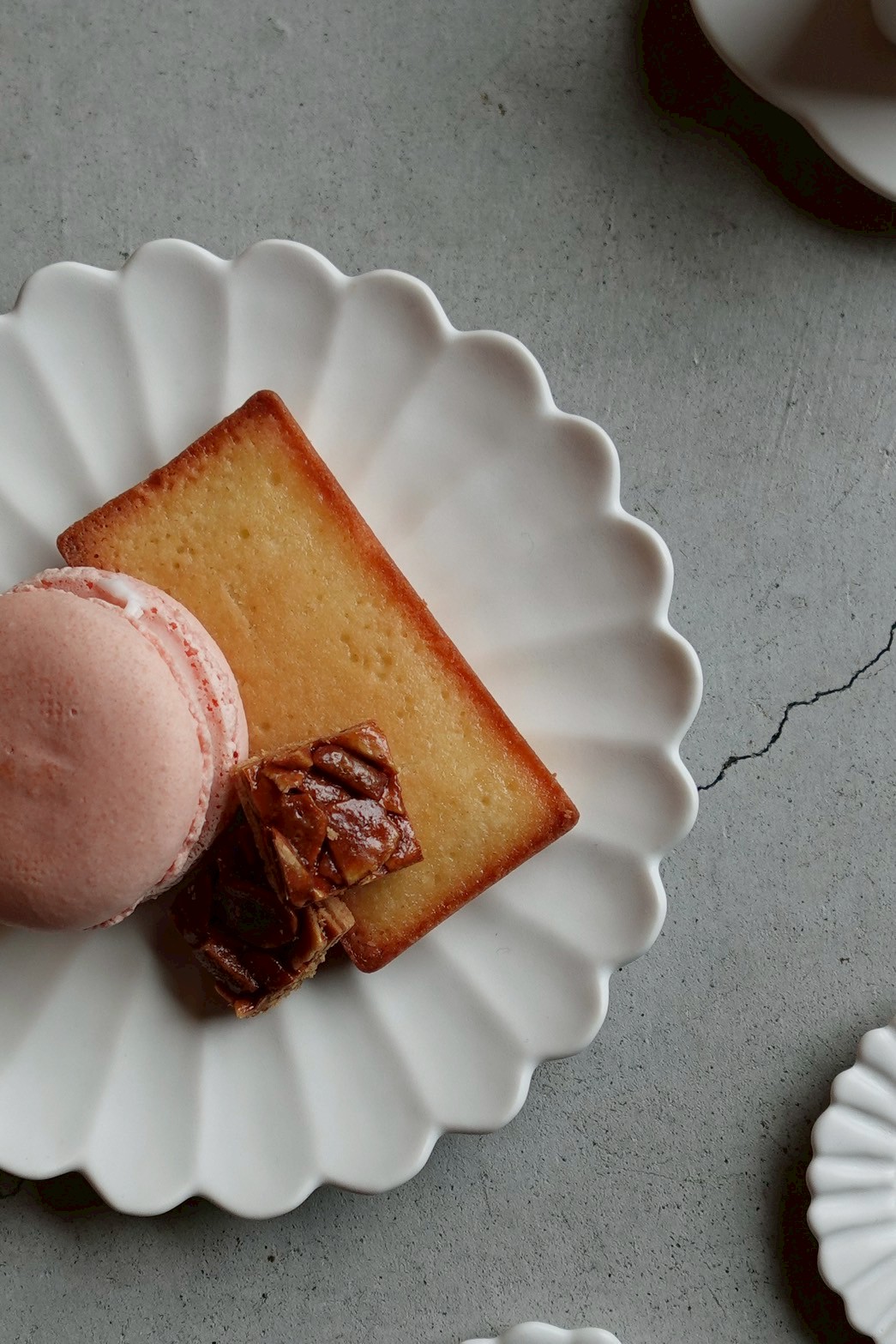
"天草陶石ならではの薄さが特徴のこの木目皿は、模様の表面は釉薬によりガラス化しているため、汚れが器に染み込みにくく、木目皿特有の溝に汚れが溜まる心配はなく、薄くてもある程度の耐久性があります。
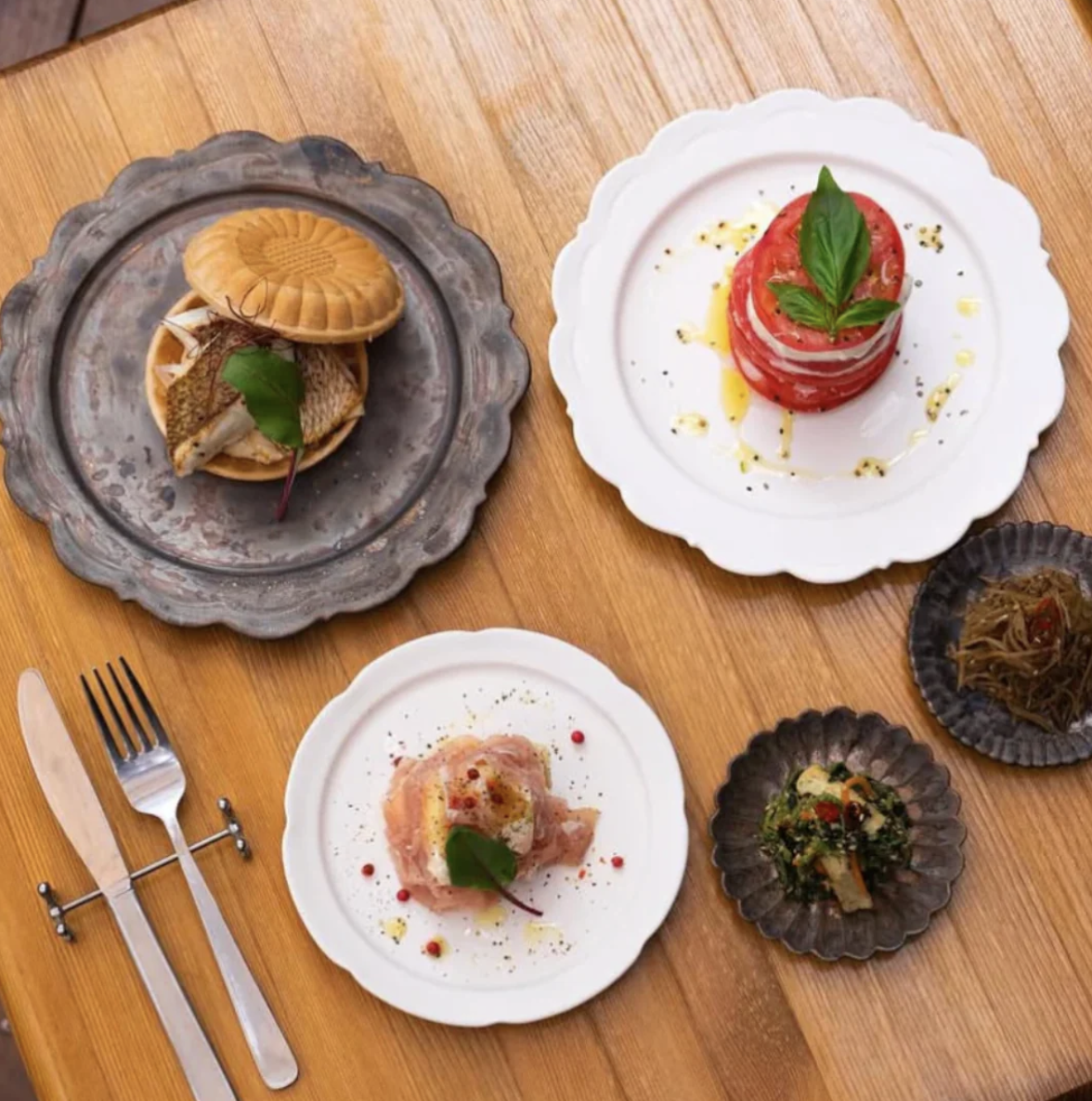
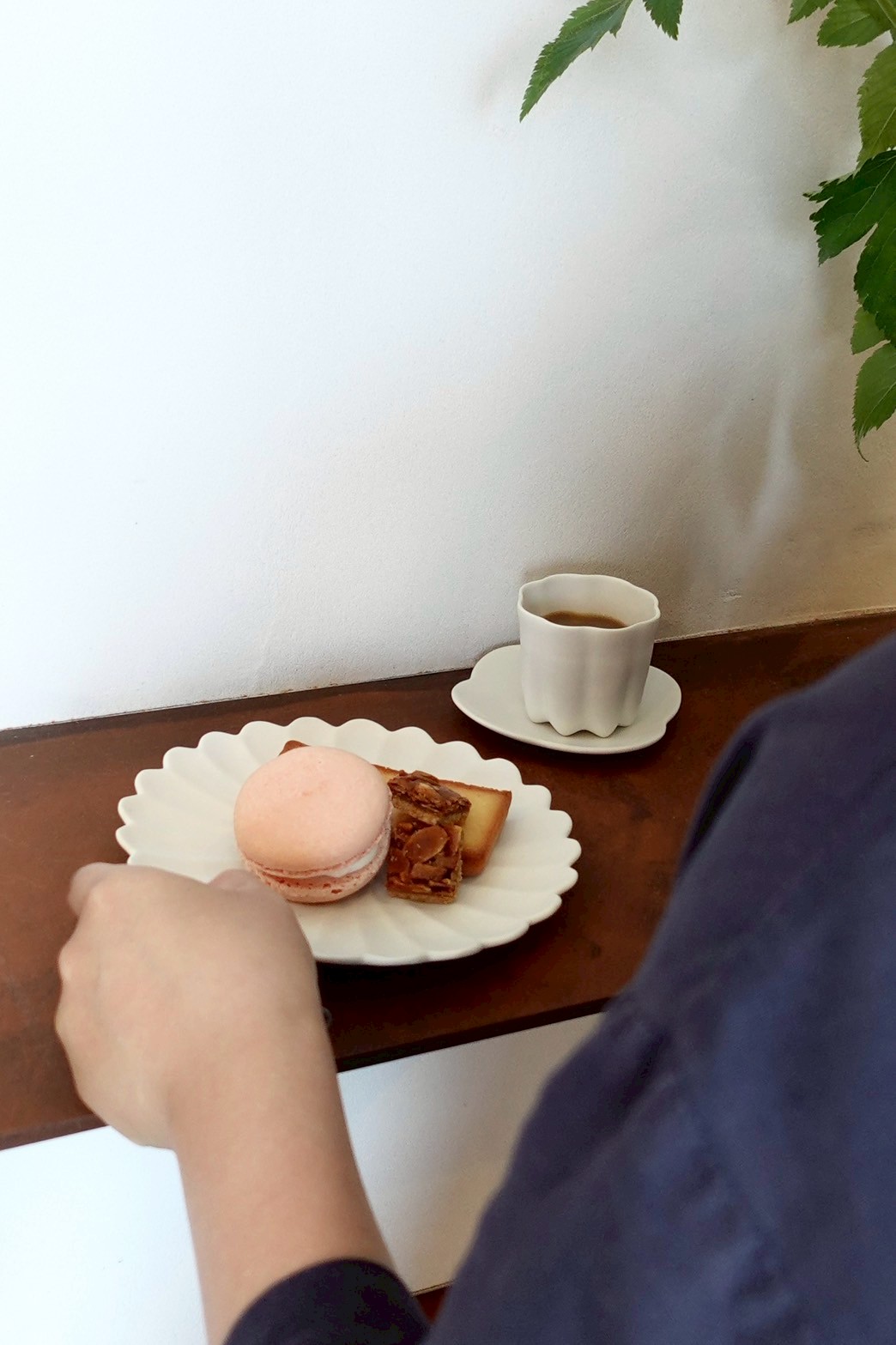
シンプルなデザインはケーキや茶菓子を引き立て、取り皿としても使いやすいサイズ感。重ねやすく、収納時も美しく収まります。
"
Care & Safety
Microwave
Safe to use
Dishwasher
Limited use
Oven
Limited use
Artisan
See detailsArtisan Story


More in This Category
See all
Tsuchinowa
Apple Tree Small Plate
$1,387.00
Plates

Ryosuke Matsuo
Foliate Oval Plate, Brown No.1
$1,177.00
Plates

jiucasca
Blue-White Porcelain Foliate Arabesque Plate, Small
$925.00
Plates

Furutani pottery
Rust Glaze Foliate Rim Deep Plate, Small — Shigaraki
$678.00
Plates

TAGAWA AKI
四神皿 白虎
$1,541.00
Japanese Plates

Higuchi Maki
Squid Diamond Plate
$1,233.00
Plates

Higuchi Maki
Grape Oval Plate
$2,465.00
Plates

Ceramic Studio Mochinoki
Kohiki White Slip Flat Plate, Large
$1,510.00
Plates
Discover More Artisans
I work mainly on flower vases and sake ware, formed on the wheel or built by hand.Right now I am putting particular e...
See all works-
Only 1 available

Japanese Sake Ware
Yohen Sake Cup with Paulownia Box — Bizen Ware
$3,081.00
-
Only 1 available

Japanese Sake Ware
Yohen Ido Sake Cup — Bizen Ware
$2,773.00
-
Only 1 available

Japanese Sake Ware
Yohen Katakuchi Sake Pourer — Bizen Ware
$4,622.00
-
Only 1 available

Japanese Tea Cups (Yunomi)
Hidasuki Free Cup — Bizen Ware
$1,079.00
-
Only 1 available

Japanese Rice Bowls
Bizen Rice Bowl No.1 — Bizen Ware
$1,233.00
-
Only 1 available

Japanese Rice Bowls
Bizen Rice Bowl No.2 — Bizen Ware
$1,233.00
-
Only 1 available

Plates
Happo Octagonal Plate — Bizen Ware
$4,622.00
-
Only 1 available

Japanese Sake Ware
Reki Sake Cup with Paulownia Box — Bizen Ware
$4,622.00


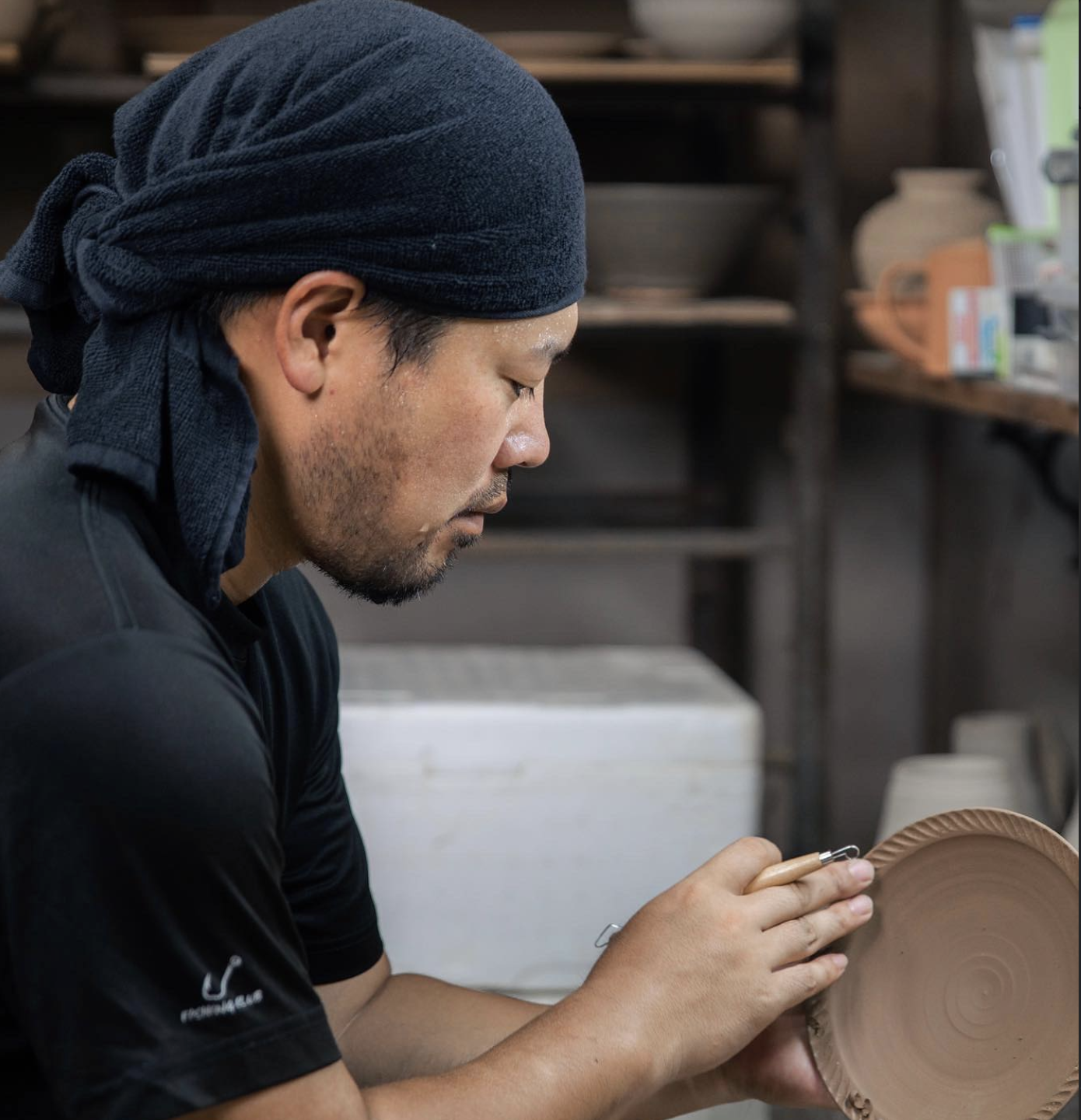
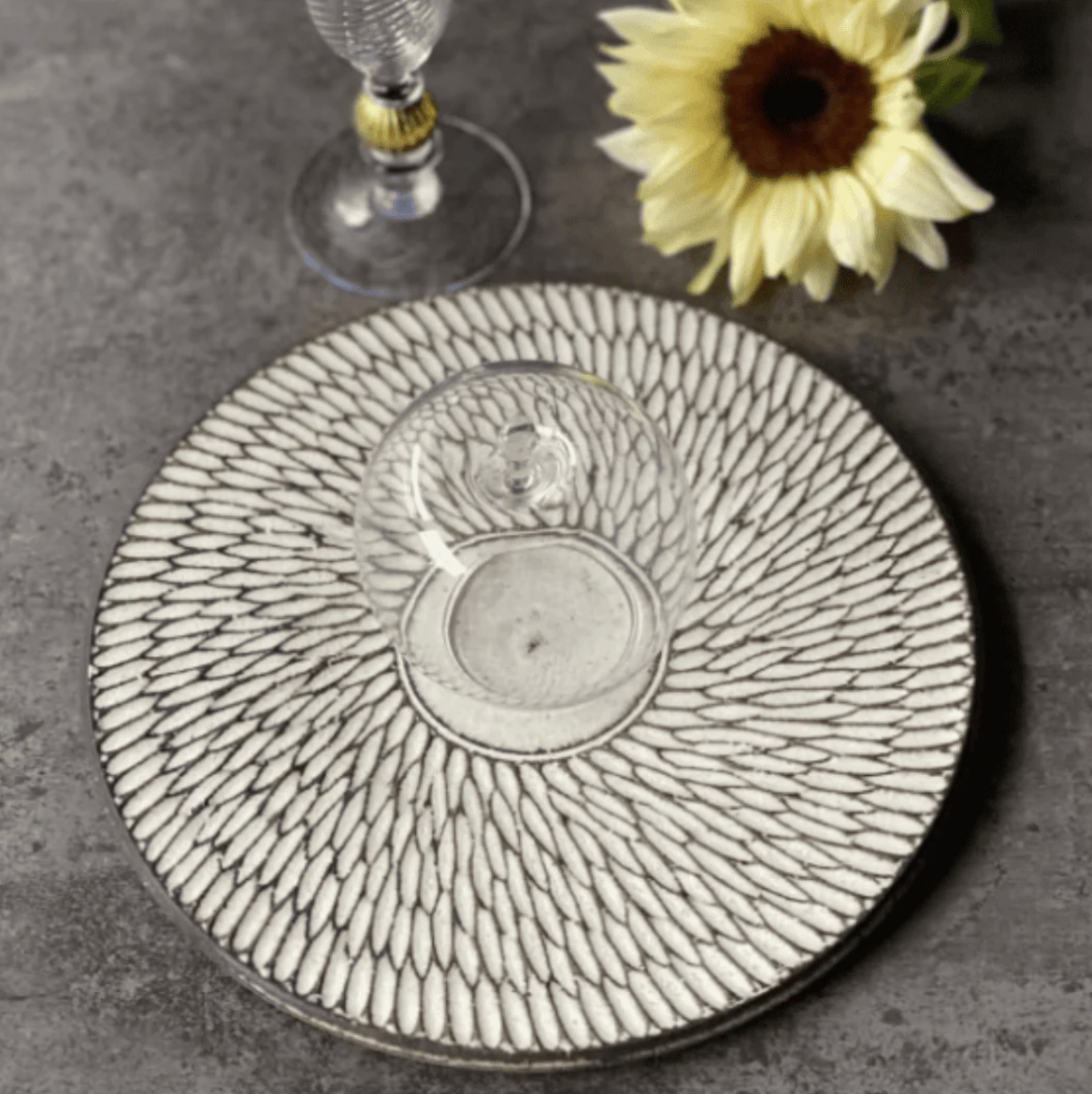
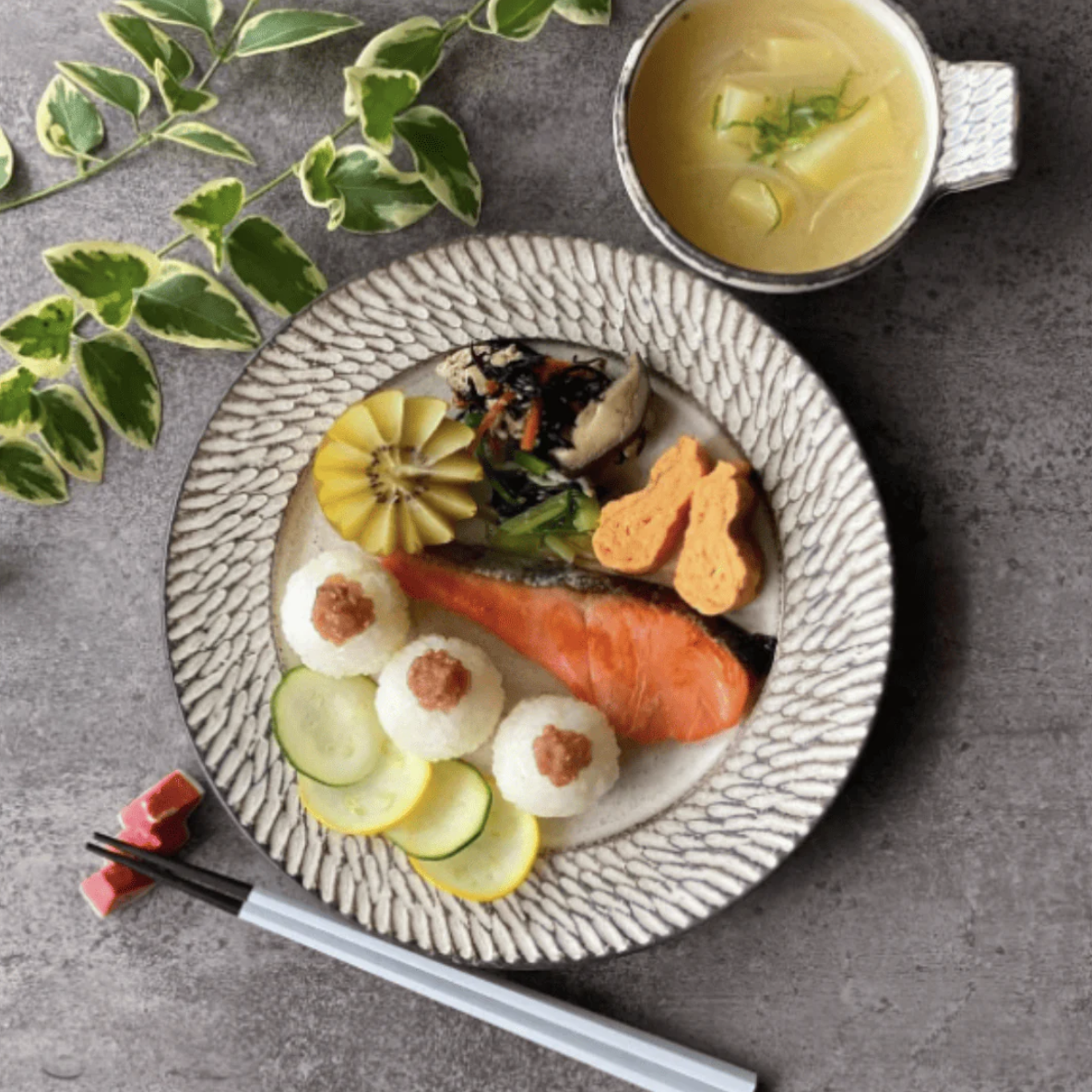
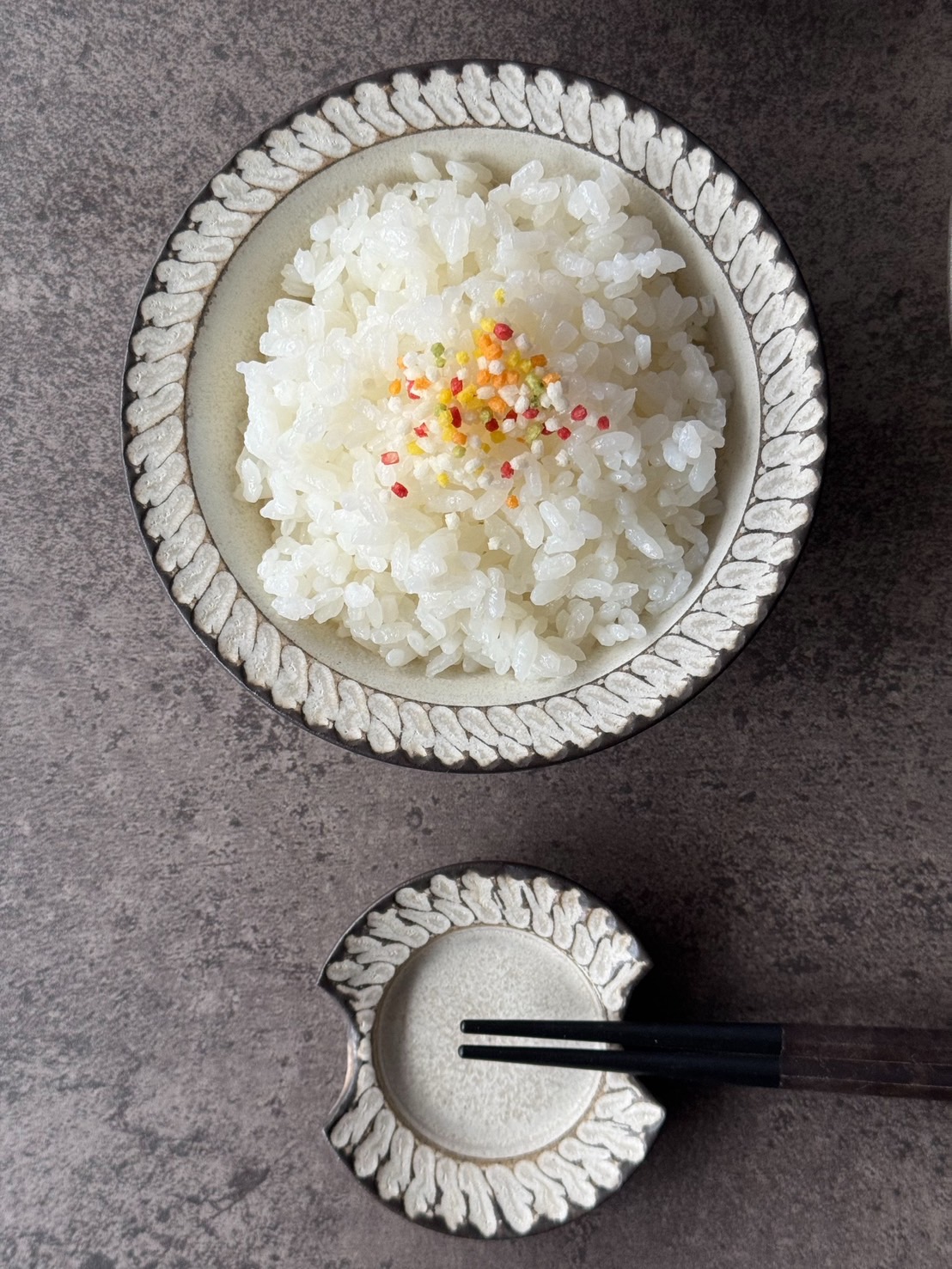
The "shinogi" pattern, meticulously carved by hand, is a distinctive feature. The "shinogi" pattern is rhythmic and d...
-

Plates
Shinogi Ceramic Slab Plate, 24cm White — Shigaraki
$1,941.00
-
Only 1 available

Plates
Shinogi Rim Plate, Large White — Shigaraki
$1,849.00
-

Plates
Shinogi Rim Plate, Large Black — Shigaraki
$1,849.00
-

Plates
Floral Shinogi Plate, Large White — Shigaraki
$1,849.00
-
Only 1 available

Bowls
Warped Shinogi Small Bowl, Triangular — Shigaraki
$647.00
-

Chopsticks & rest
Shinogi Chopstick Rest, Black — Shigaraki
$339.00
-
Only 1 available

Plates
Shinogi Rim Plate, Small Black — Shigaraki
$771.00
-
Only 1 available

Plates
Shinogi Rim Plate, Medium White — Shigaraki
$1,387.00


A ceramic artist based in Tajimi City, Gifu Prefecture, who creates pottery with the desire for it to be used frequen...