
Ichigo Ichie: One Encounter, Once in a Lifetime

Ichigo ichie means that this encounter will never come again. A phrase from tea, derived from Zen teaching, it expresses the spirit of treasuring a meeting that happens once in a lifetime.
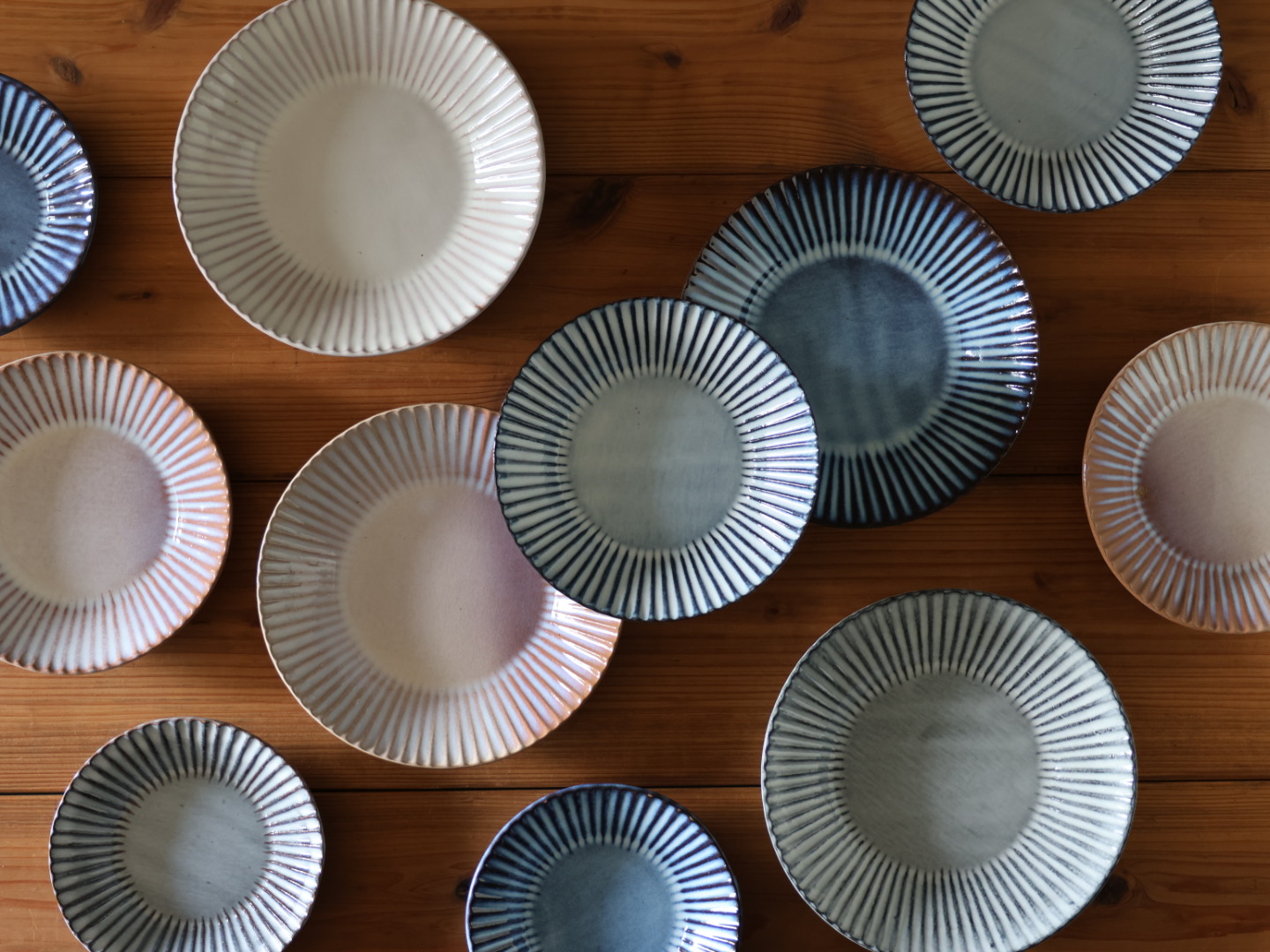
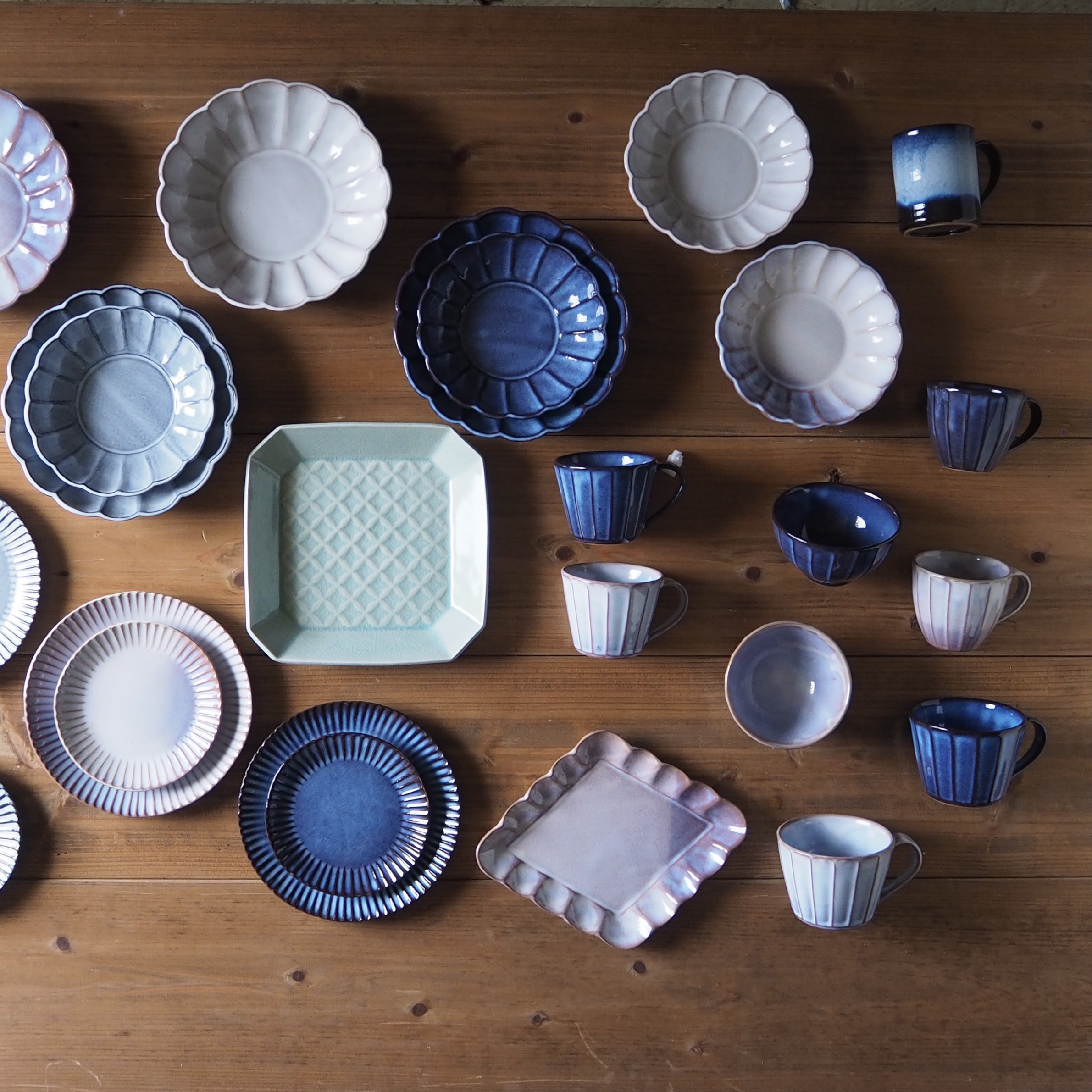
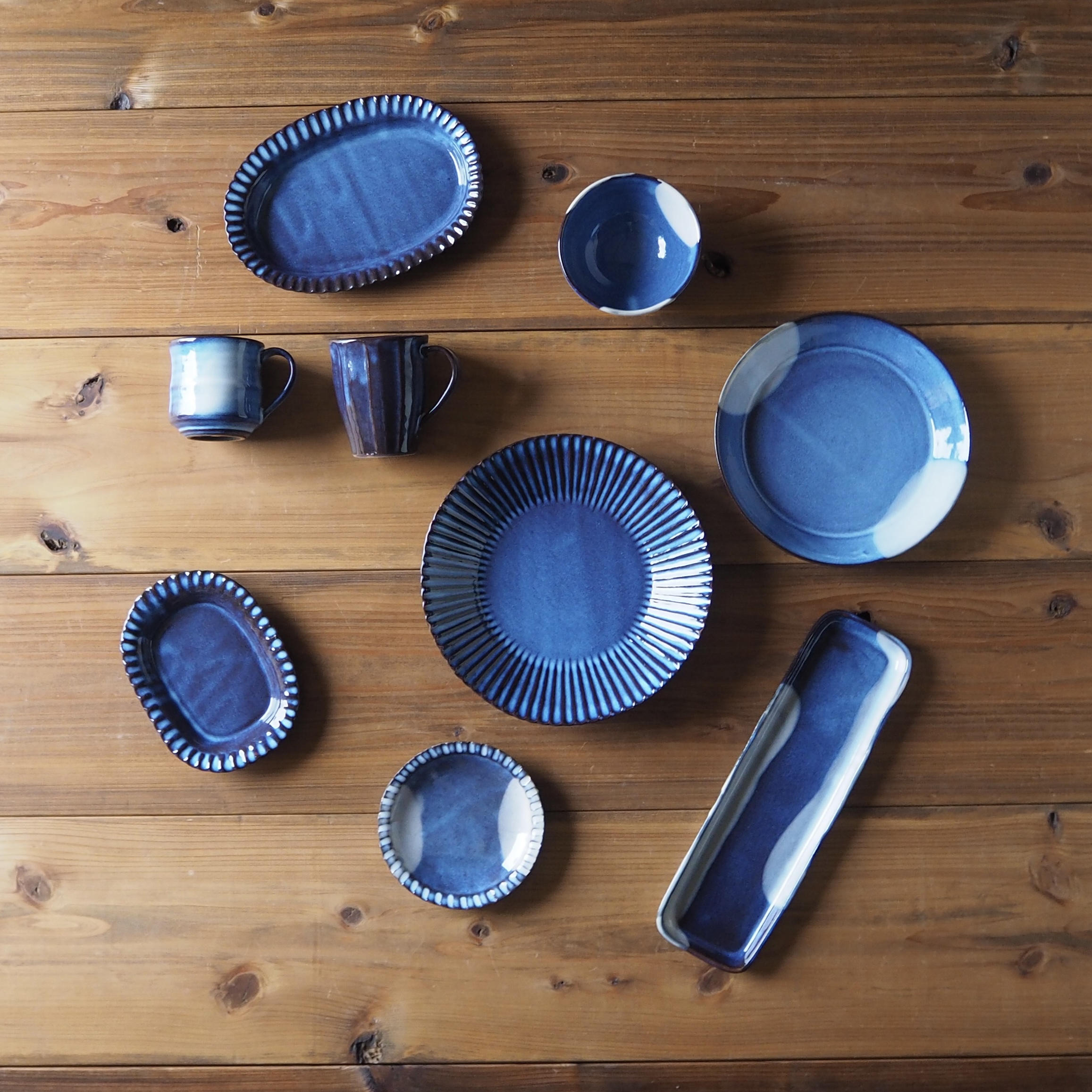
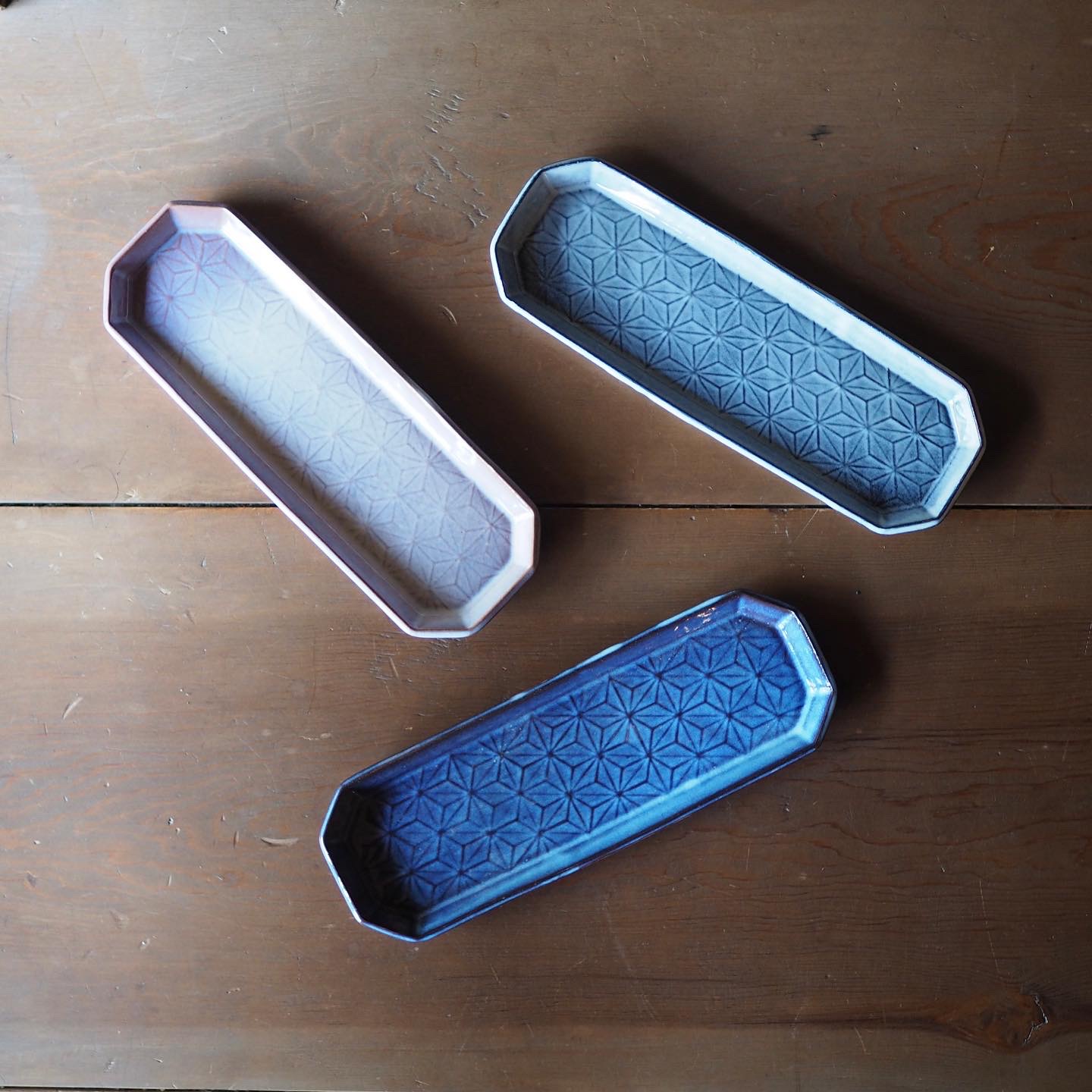
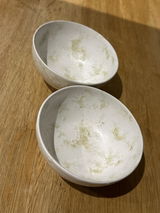
Laid over an encounter with a one-of-a-kind handmade piece, the idea deepens attachment. The fact that no two are alike takes on meaning through the words.
In ceramics the phrase is received in two senses: the chance miracle inside the kiln, and the fated meeting between a piece and its user.
Ichigo ichie inside the kiln
Pottery fired from the same clay with the same glaze in the same kiln never comes out the same twice, because of slight differences in how the flame travels and in the weather.
In wood kilns such as the anagama and the noborigama especially, how the ash falls, the angle at which the flame strikes, where the piece stood — all of it decides the expression. The changes called yohen and natural ash glaze cannot be reproduced even by the maker.
Loving an individuality born only in that moment, rather than the perfect uniformity of an industrial product: that culture is what binds itself to this phrase.
Ichigo ichie with the user
The other sense is the meeting between piece and person.
Some pieces, like Hagi ware, are not finished when you acquire them but change through daily use to suit their owner's life. What you have drunk and eaten remains on the surface. That process of keinen bika is itself a continuous ichigo ichie with the piece.
Kintsugi, which raises damage into art rather than hiding it, is likewise an expression of the same heart: cherishing the singular span of time a piece has passed through.
Where the spirit shows most
- Yakishime, unglazed pottery Pieces such as Bizen ware and Shigaraki ware that entrust everything to the natural change of flame and clay.
- The seven transformations of Hagi Pieces whose expression changes through use. Two people who bought the same piece own different ones years later.
- Pieces repaired with kintsugi A history belonging to that piece alone, breakage included, is written into it.
Related terms and guides
Related terms
- Keinen Bika: Pottery That Gets Better With Age
- Yo no Bi: The Japanese Idea That Use Creates Beauty
- Shizen-yu: Natural Ash Glaze Explained
- Yakishime: Unglazed Pottery Fired to Its Limit
- Anagama: Inside Japan's Oldest Wood-Fired Kiln
- Japanese Pottery Glossary | Terms, Techniques & Kilns
Read further
- Ichigo Ichie: Why No Two Handmade Pieces Repeat
- Bizen Ware: Pottery With No Glaze at All
- Shigaraki Ware: Why Its Clay Sparkles After 1,200 Years
- Kintsugi: How to Repair Pottery With Gold (and Why)
- Yohen: When the Kiln Decides the Colour
Pieces available at Nokaze
Meet that one piece
The same piece can never be fired twice. Nokaze introduces each one together with the background of its maker.
Browse new arrivalsFAQ
How is the tea phrase ichigo ichie interpreted in ceramics?
Which pieces show the spirit most strongly?
Should I choose a one-of-a-kind piece or an industrial one?
Shop the related pieces
Japanese Teaware
42 pieces See all


New to Japanese pottery? Start here — its history, how pottery differs from porcelain, the clays and glazes behind each style, and how to care for a piece. → Japanese Pottery: The Complete Guide