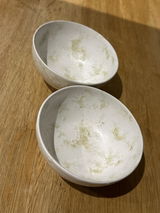

Medium Plates: Five Sun or Six, and What Each One Does

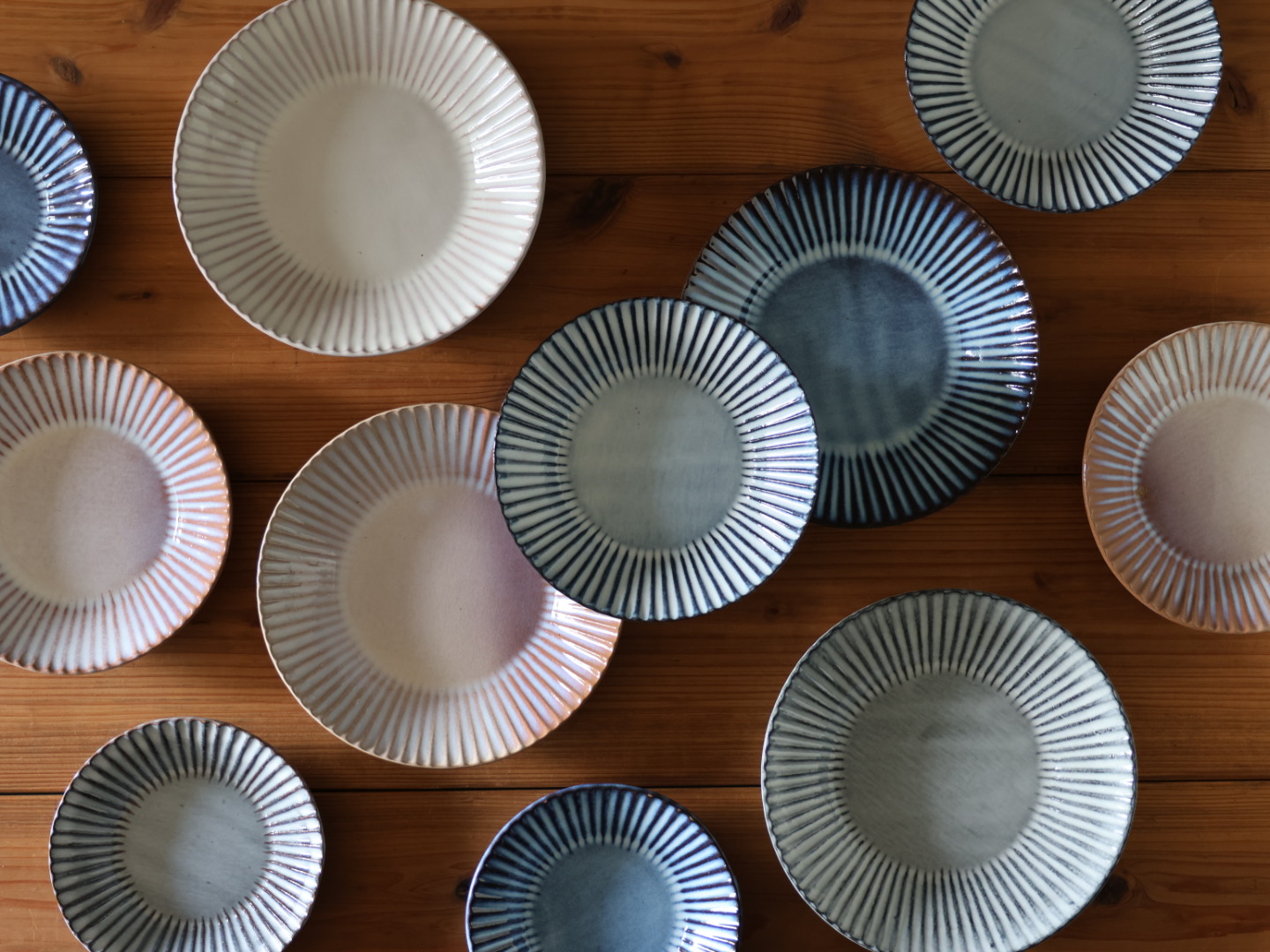
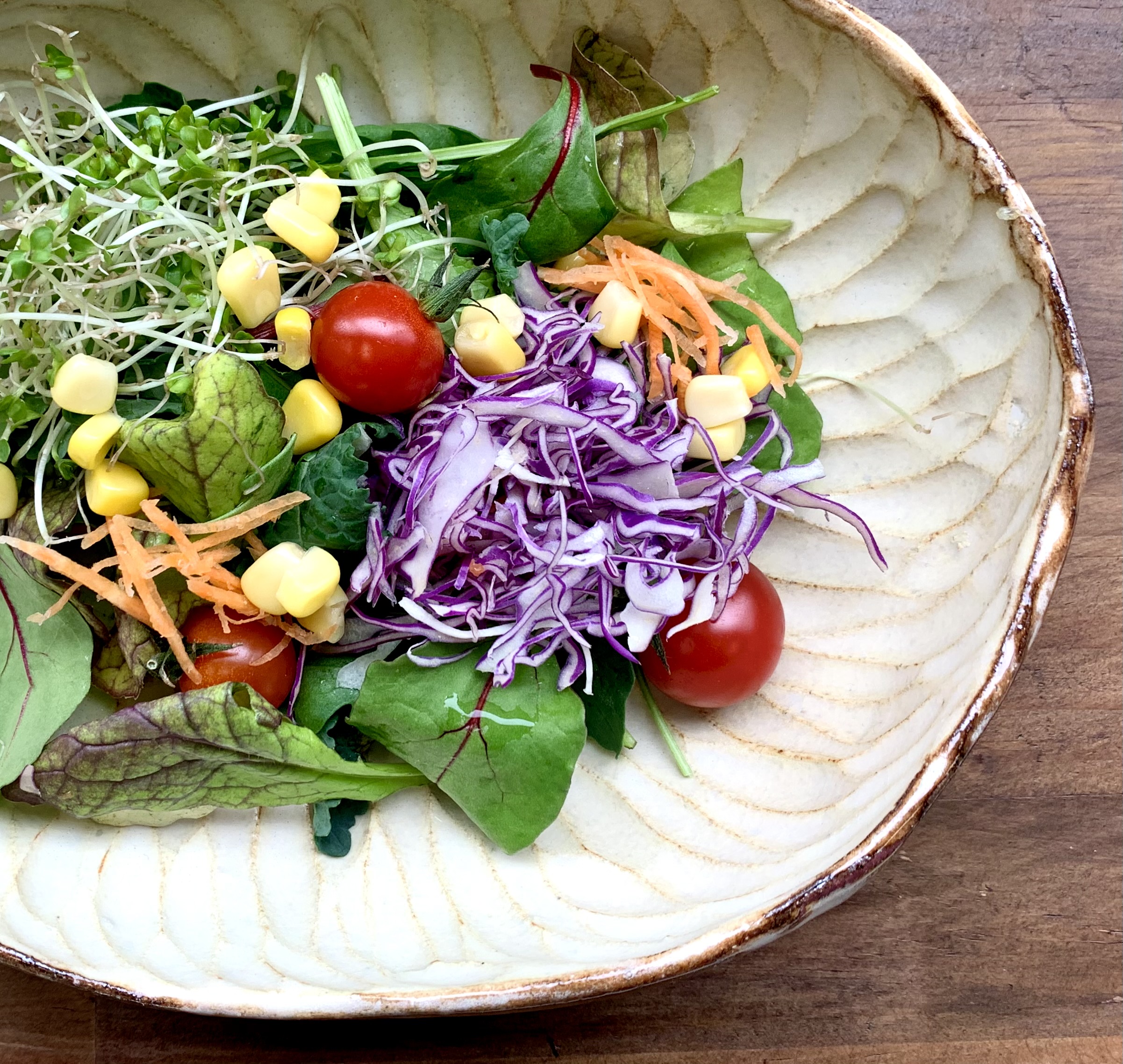
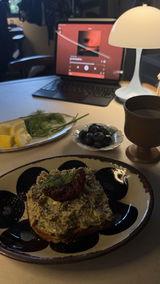
Not a large plate, not a mamezara. Plates of five and six sun are the size that comes out most often in Japanese tableware. They work as side plates, they hold a side dish for one, and they are enough for morning toast.
Here we set out when to use five sun and when six, how many you need, and what changes with the shape.
Five sun, or six
Japanese ware is measured in sun. One sun is 3.03cm, so a five-sun plate is about 15cm across. What is called a medium plate runs roughly from four and a half sun to six.
| Sun | Diameter | What goes on it |
|---|---|---|
| Four and a half sun | About 13.5cm | The smallest of the side plates. Pickles and a palate cleanser, a slice of cake |
| Five sun | About 15cm | The standard side plate. A side dish, morning toast, cut fruit |
| Six sun | About 18cm | Just short of a main course. A serving of pasta, a small portion of curry, baked sweets |
| Seven sun | About 21cm | Large plates start here. A main course for one fits |
There are all sorts of sizes, but if you are wondering which to start collecting from, we recommend five sun. It works as a side plate, it holds a side dish for one, and it does not take up the cupboard. Six sun sits on the line of "a little small for a main course, a little large for a side," so adding it after the five-sun plates are in place goes better. Sun to cm is set out in the conversion chart, and anything above seven sun in the large plates article.
How many side plates of this size do you need
To put the answer first: rather than four of the same plate, four different plates will bring some play to the table and be easier to live with.
Side plates sit at each person's place, so the table does not lose its balance when they do not match. If anything, one plate each makes it clearer whose is whose. Being able to replace a single plate when one breaks is another reason not to buy in sets.
| How many | What it covers |
|---|---|
| Two five-sun plates | Side plates for two. They double as breakfast plates |
| Four five-sun plates | A table for four. A side dish divided one each |
| Four five-sun plus two six-sun | A house with guests. The six-sun plates go to serving |
The price of a medium plate differs from artisan to artisan and the range is wide, which is itself part of the pleasure of choosing. Prices come down compared with large plates, so even choosing one at a time from different artisans, this many comes together without strain.
What changes with the shape
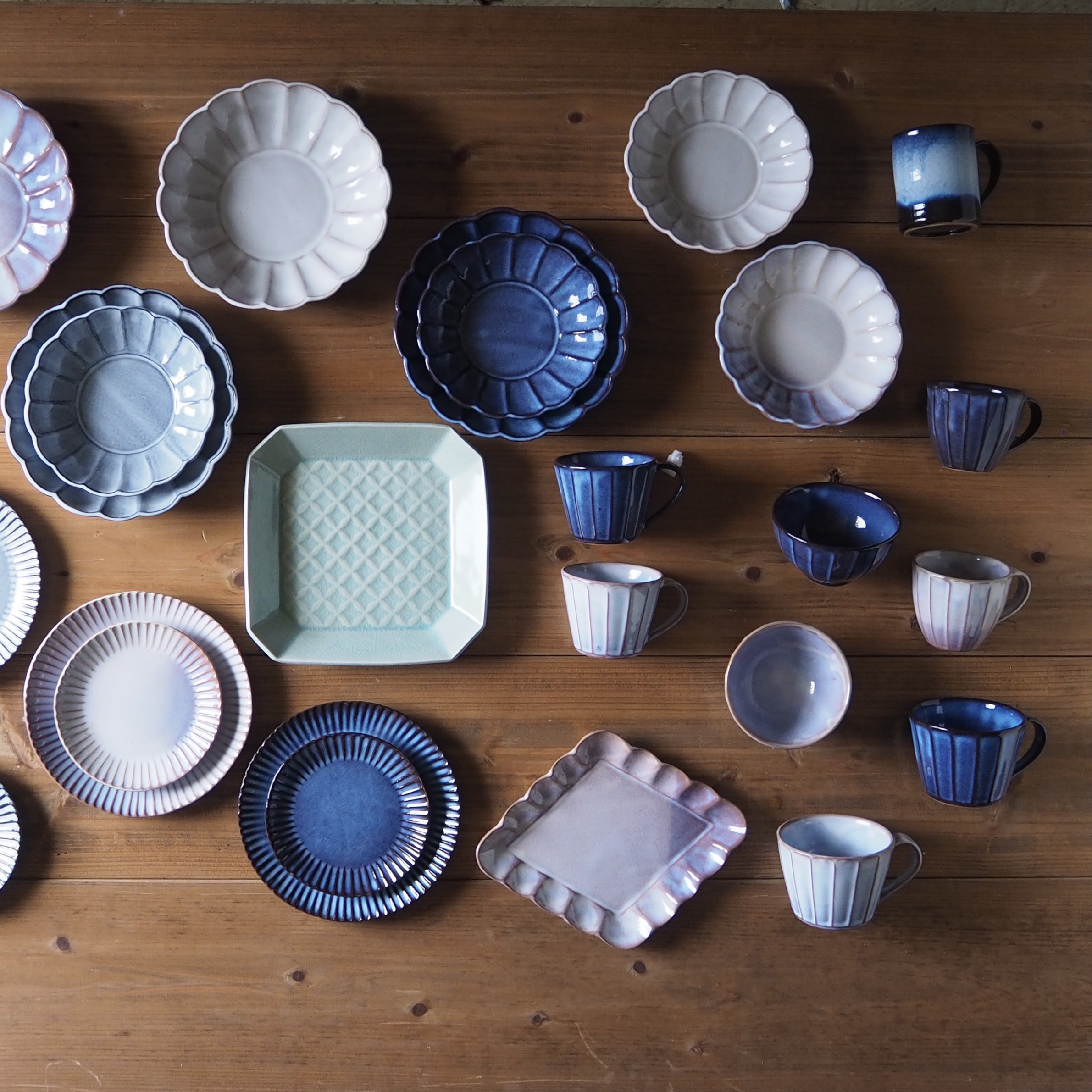
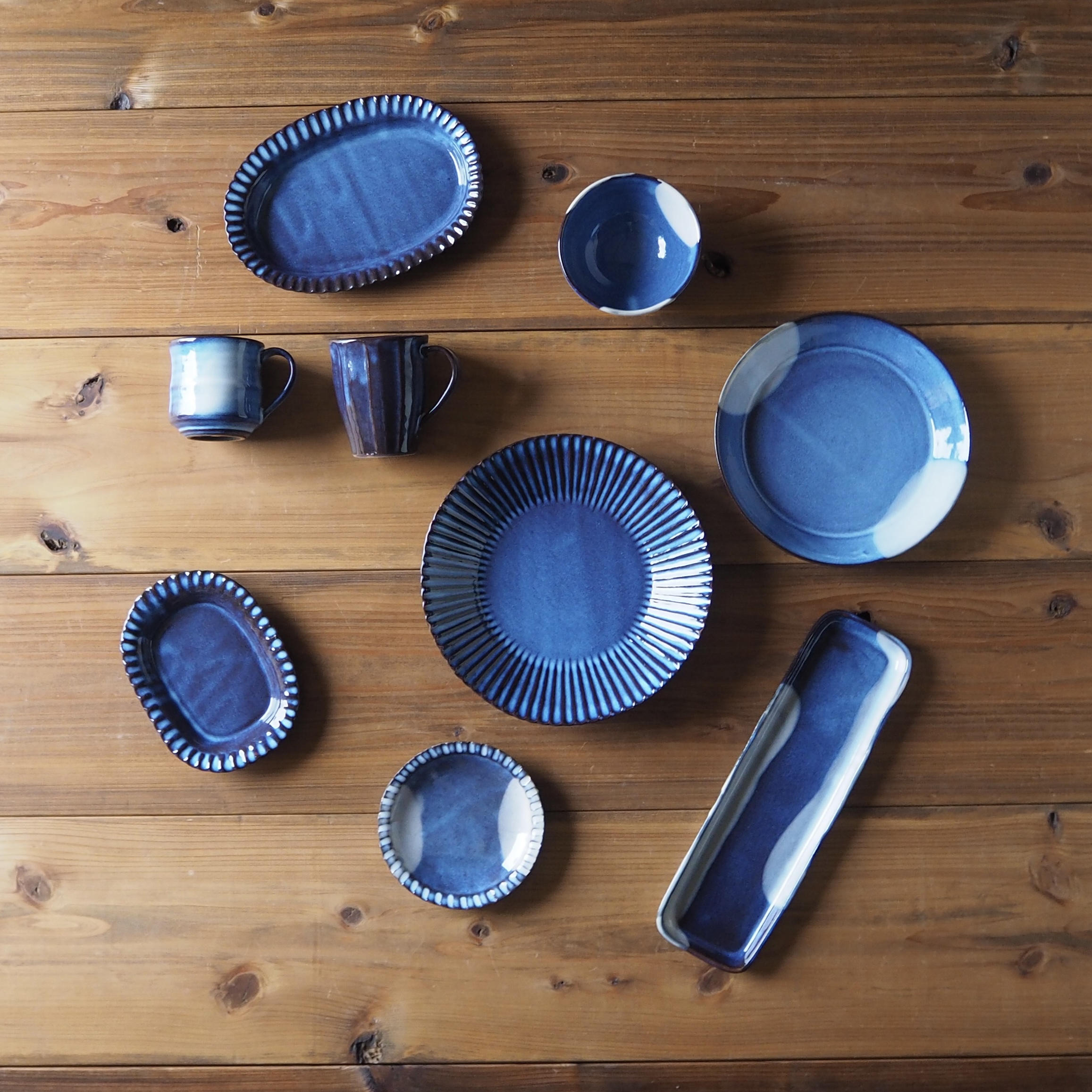
Even at the same five sun, how the rim stands and what shape it takes changes what the plate does.
- Round plate (flat) The whole face is usable. Suits food without liquid, and is the freest of all for arrangement
- Rimmed plate A flat frame around the edge. The frame reads as empty space, so even a small amount looks composed. It will take a little liquid too
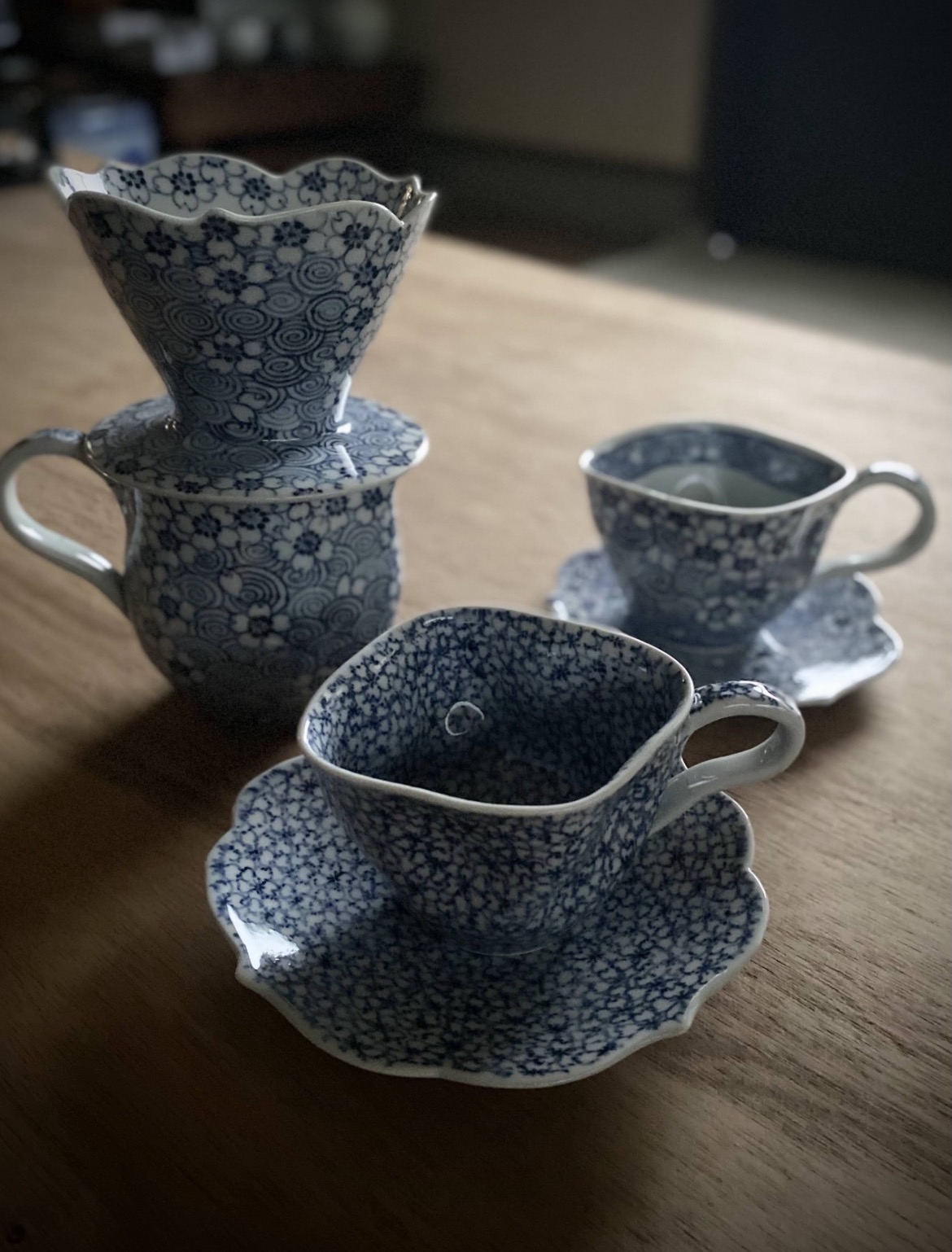
- Rinka and ryoka (foliate and lobed) An edge cut in petal shapes. Glaze pools in the notches and darkens, so even an undecorated piece has expression
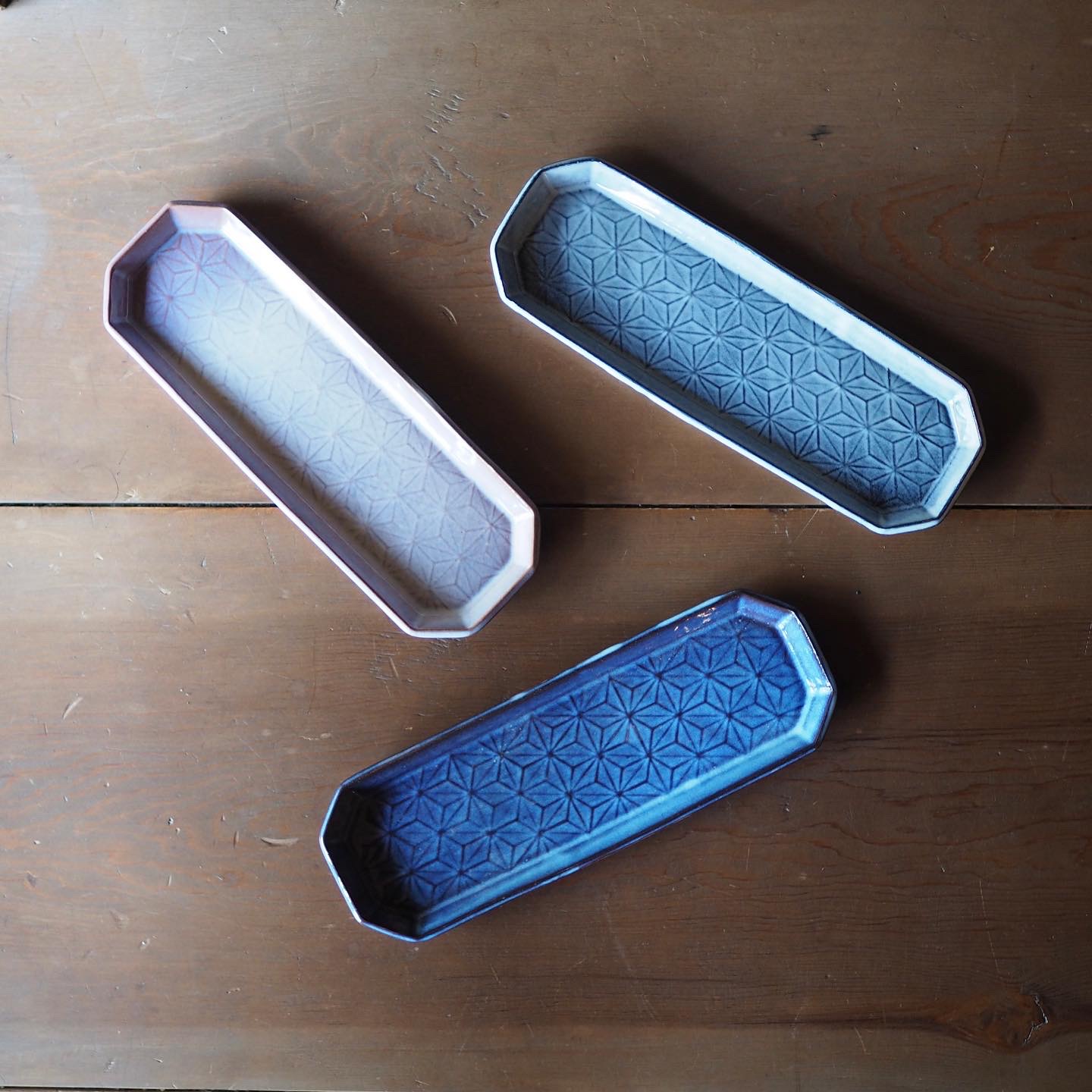
- Octagonal and sumikiri Shapes with corners. Mix one into a table of nothing but round plates and the outline sharpens
- Oval Grilled fish and anything long. It takes up less room than a round plate, which tells when the table is tight
A painted plate works best as a side plate
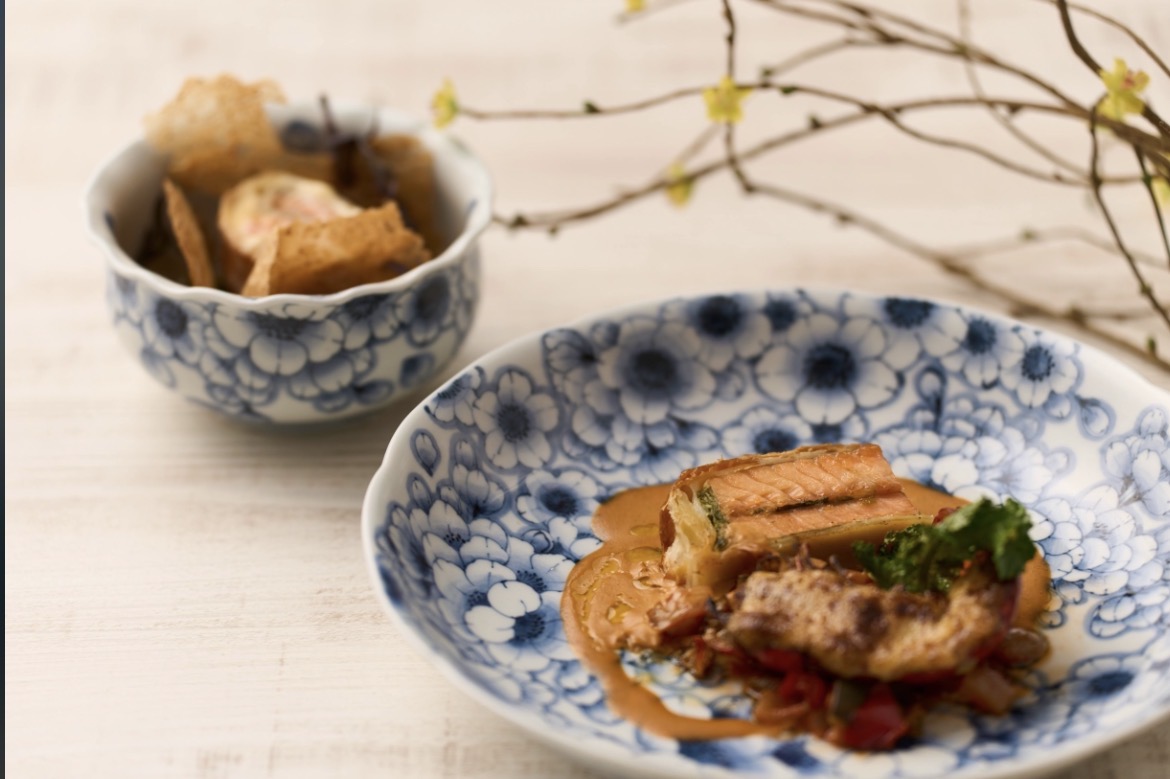
When a large plate carries a painting, the food and the painting can clash. A medium plate is different. A side plate holds a small amount, so you can use it with the painting still visible.
Sometsuke, drawn in indigo alone, quarrels with nothing. Overglaze painting, with color laid over the glaze, shows at its best beside white rice. Two undecorated plates and two painted ones. At that ratio, a table does not turn too busy.
If you would like to know what the motifs mean before choosing, the article on pottery patterns will help. Cranes and tortoises, pine, bamboo and plum belong to celebrations; plants and flowers can be used with the season.

How to build with large plates and mamezara
A Japanese table is built by lining up plates of different sizes. The medium plate sits in the middle of that, so decide the medium plate first and the sizes above and below follow.
If the medium plate is a white five sun, make the large plate a seven or eight sun with color. Mamezara go the other way: three small painted ones. Those three tiers cover a table. The order to buy in is set out in building a dinner set.
Whether a piece takes the microwave or dishwasher differs from artisan to artisan. Medium plates are used often, so checking before you buy makes life easier afterwards. How to judge is set out in the article on how to tell, as the answers of 73 artisans, so do have a look.

Related Articles
Choosing a Plate
- Large Japanese Plates: Choosing Size, Shape and Depth from Seven Sun
- Mamezara and Small Plates: Sizes and What to Serve
- Japanese Plates: Which Size and Shape for Which Dish
- Japanese Plate Sizes: Sun to cm Conversion Chart
- Japanese Tableware Complete Guide
Reading a Piece
- Shinogi: The Carved Ridges on Japanese Pottery
- Sometsuke: Blue and White Porcelain, Explained
- Microwave and Dishwasher Safe Japanese Pottery: 73 Makers Answer
Go and Look
- Japanese Medium Plates | Handmade, 15–18cm
- Japanese Plates | Handmade Ceramic Plates from Japan
- Japanese Small Plates | Handmade Mamezara & Kozara
Five sun, chosen from different artisans, enjoyed at the table
You can choose from medium plates by more than fifty artisans across Japan. Side plates are ware you do not have to match, so add them one at a time as you take to them. The pleasure of choosing is exactly what a medium plate offers.
Browse medium platesFAQ
Which sun should I buy for a medium plate?
How many side plates do I need?
How much does a medium plate cost?
Shop the related pieces
Medium plates
62 pieces See all


Japanese Plates
187 pieces See all
Tsuchinowa
Apple Tree Small Plate
$357.00
Plates

Ryosuke Matsuo
Foliate Oval Plate, Brown No.1
$333.00
Japanese Plates

jiucasca
Blue-White Porcelain Foliate Arabesque Plate, Small
$238.00
Plates

Furutani pottery
Rust Glaze Foliate Rim Deep Plate, Small — Shigaraki
$175.00
Plates
New to Japanese pottery? Start here — its history, how pottery differs from porcelain, the clays and glazes behind each style, and how to care for a piece. → Japanese Pottery: The Complete Guide