
Japanese Small Bowls (Kobachi): How to Choose by Depth, Shape and Clay

The kobachi, or small bowl, may be the most-used piece in Japanese tableware. Ohitashi greens, aemono dressed salads, chilled tofu, pickles. On a Western table, nuts and olives, yogurt and fruit. Put a few small bowls holding a little of one dish each on the table, and the whole meal looks more complete.
That is also why they are hard to choose. Most are around 10 cm across, yet their depth and shape change completely which food suits them and when you reach for them.
The surest way to choose a kobachi is not by artisan or pottery region, but by working back from when you will use it and what you will serve. This guide goes scene by scene, from everyday side dishes to soupy dishes, guests and evening drinks, and shows the depth and shape that suit each one with photos of Japanese pottery available at nokaze now.
If you would like to see the pieces first, browse our small bowls collection of kobachi and mamebachi.
Sizes First: Mamebachi, Kobachi and Chubachi
A kobachi is a small, deep bowl about 9 to 13 cm across. Smaller ones are often called mamebachi and larger ones chubachi. There is no fixed rule, but these are the usual guides.
| Name | Diameter | What to serve |
|---|---|---|
| Mamebachi | About 8 to 11 cm | Condiments, umeboshi, tsukudani, delicacies |
| Kobachi | About 11 to 13 cm | Ohitashi, aemono, chilled tofu, salad |
| Chubachi | About 13 to 18 cm | Simmered dishes, salad to share, noodles |
If you are looking for flat pieces, see our article on mamezara and small plates, and for sun to cm conversions, our size chart.
By Scene: Which Small Bowl to Use When
From here, we look at the depth and shape that suit each way of using a small bowl. Every piece in the photos is available at nokaze now.
Everyday Side Dishes: A Round Small Bowl About 5 cm Tall
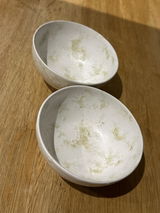
Ohitashi, aemono, simmered beans, kinpira. For everyday side dishes, a round small bowl 12 to 13 cm across and about 5 cm tall is the most versatile. It is deep enough to hold a little liquid without spilling and to heap up leafy greens. If you are unsure where to start, start with this shape.

White and off-white small bowls show the green of leafy greens, the orange of carrots and the brown of simmered dishes just as they are.
Soupy Dishes, Yogurt and Desserts: A Deeper Bowl 6 to 7 cm Tall
Agebitashi, mozuku seaweed, chilled soup, morning yogurt and fruit, ice cream. For dishes with plenty of liquid, or anything you eat with a spoon, a deeper small bowl 6 to 7 cm tall works well. If the rim flares out a little, it is easy to serve into and easy to fit a spoon into, even though it is deep.

A deeper small bowl can also be used as a little bowl in its own right. With one on hand, it can double as a kobachi and a soup bowl or dessert cup.
Just a Little Condiment, Delicacy or Umeboshi: A Straight-Sided Mamebachi
Condiments, umeboshi, tsukudani, shiokara. For things you only want to add a little of, choose a mamebachi up to about 11 cm across. A kiritate form, with walls that rise straight up, never looks empty even with a small amount inside, and does not take up much room when stacked away.

Wagashi, Nuts or a Side Plate: A Shallow Small Bowl About 3 cm Tall
Wagashi and chocolate, nuts, dried fruit. To serve dry foods so they are on show, a shallow small bowl about 2.5 to 3 cm tall looks beautiful. The food is easy to see from above, and it also works as a side plate, so it comes out on hot pot nights and days with large shared platters too.

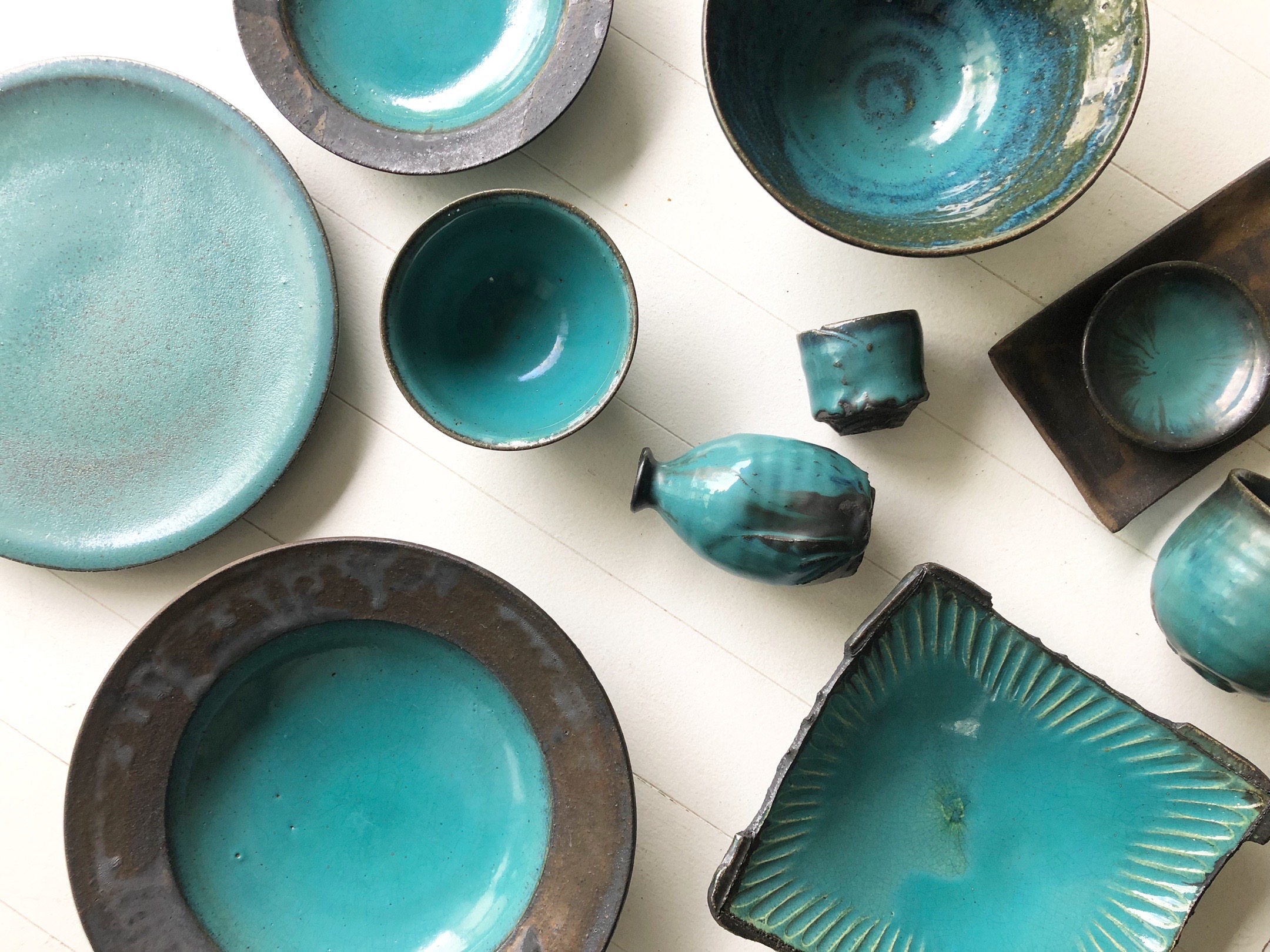
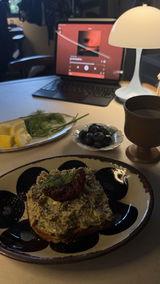
The chrysanthemum-shaped small bowl in the first photo (9 cm across and 2.5 cm tall) is also this shallow type. Glaze pools in its carved hollows, so the pattern frames the food even when you serve only a little.
Serving Dressings or Sauces, or Sharing: A Katakuchi With a Spout
A katakuchi small bowl has a spout on one side of the rim. Fill it with dressing, ponzu or a dipping sauce and set it on the table, and you can pour straight from it. It also works perfectly well as an ordinary small bowl for aemono, with the spout adding a little movement to the table.

Guests, Hospitality and Seasonal Occasions: Flower and Chrysanthemum Shapes
For days you welcome guests, or seasonal occasions such as New Year and Hinamatsuri, flower-shaped and chrysanthemum-shaped small bowls, with rims cut or carved like petals, are a natural fit. Add just one to a table of round pieces and the whole scene brightens. Because the bowl itself is so decorative, serve a little less and keep the colors simple to let it stand out. The name of this shape is explained in our article on rinka.

Raising Appetizers and Sweets a Step Higher: A Small Bowl on a Foot
A small bowl set on a tall foot (kodai) is a piece that lifts food up a step to show it off. A bite-sized appetizer, monaka or fruit looks more formal, even in a small amount. It is also easy to pick up, which makes it good for bringing soupy dishes up to your mouth.

Snacks With an Evening Drink, or a Western Table: A Black Small Bowl
Olives, nuts, cheese, dips. For snacks with an evening drink or a glass of wine, a black small bowl suits the mood. It also makes white tofu, green leafy vegetables and red tomatoes stand out clearly, so it works for Japanese side dishes too. How to choose black tableware in general is covered in our article on black Japanese tableware.

Quick Guide: Scenes and Small Bowl Shapes
| Scene | Shape that suits | Size guide |
|---|---|---|
| Everyday side dishes | Round, standard small bowl | 12 to 13 cm across, about 5 cm tall |
| Soupy dishes and desserts | Deeper small bowl with a flared rim | 6 to 7 cm tall |
| Condiments and delicacies | Straight-sided mamebachi | 8 to 11 cm across |
| Wagashi, nuts, side plate | Shallow small bowl | 2.5 to 3 cm tall |
| Sauces and dressings | Katakuchi | About 12 cm across |
| Guests and seasonal occasions | Flower or chrysanthemum shape | 8 to 12 cm across |
| Appetizers and sweets | Small bowl on a foot | 7 to 8 cm tall |
| Evening drinks, Western table | Black small bowl | 10 to 11 cm across |
How Many to Collect: Matching or Mixed
Small bowls change the look of the table depending on whether you match a set for everyone or collect different ones a little at a time.
- Two to four of the same They stack neatly and are easy to lay out for guests. For your first small bowls, a matching set of round bowls for everyday side dishes is hard to get wrong
- Different ones, a little at a time Add a katakuchi, a flower shape, a black bowl, one at a time to suit each scene, and the table becomes livelier. Not matching everything is a pleasure only one-of-a-kind pieces can offer
The trick to keeping a mixed collection from looking scattered is to match either the color or the material. Change shapes within white, or change colors within one shape. How to build up Japanese tableware as a whole is covered in our article on building a Japanese dinner set.
Care: Microwave and Dishwasher Use Differs by Piece
Because small bowls are used every day, whether they can go in the microwave or dishwasher matters. Even small bowls of the same shape differ depending on the clay, glaze and firing. Among the small bowls we carry now, some are fine for both, some are dishwasher safe only, and some should be washed by hand.
Each product page states what is safe for that piece. How to tell is covered in our article on microwave and dishwasher safe pottery.
Related Articles and Terms
Types and Sizes of Japanese Pottery
- Mamezara and Small Plates: Sizes and What to Serve
- Japanese Bowls Explained: Chawan, Donburi, Matcha Bowl
- Japanese Plate Sizes: Sun to cm Conversion Chart
- Building a Japanese Dinner Set: What to Buy in What Order
Shape and Color
- Rinka: The Flower-Shaped Rim on Japanese Plates and Bowls
- Black Japanese Tableware Guide: Black Glaze, Hikidashi-guro and Lacquer for Food That Stands Out
- Microwave and Dishwasher Safe Japanese Pottery: 73 Makers Answer
Small Bowls for Every Day, Chosen by How You Use Them
From round small bowls for everyday side dishes to katakuchi for pouring sauces and flower shapes for days with guests. Choose from handmade Japanese small bowls, each different in shape and clay, starting with what you want to serve.
Shop small bowlsFAQ
How big is a kobachi (Japanese small bowl)?
What kind of small bowl suits dishes with liquid?
Should I buy matching small bowls?
Shop the related pieces
Small Bowls (Kobachi)
31 pieces See all


Japanese Bowls
69 pieces See all
Teramoto Shiori
Large Bowl — Seto Porcelain
$1,108.00
Bowls

Furutani pottery
Gosu Blue Line Rice Bowl, Small — Shigaraki
$677.00
Japanese Rice Bowls

Furutani pottery
Iron-Line Rice Bowl, Large — Shigaraki
$739.00
Japanese Rice Bowls

Furutani pottery
Rough Iron-Line Oval Deep Bowl, Large — Shigaraki
$1,046.00
Bowls
New to Japanese pottery? Start here — its history, how pottery differs from porcelain, the clays and glazes behind each style, and how to care for a piece. → Japanese Pottery: The Complete Guide