

Colorful Ceramics
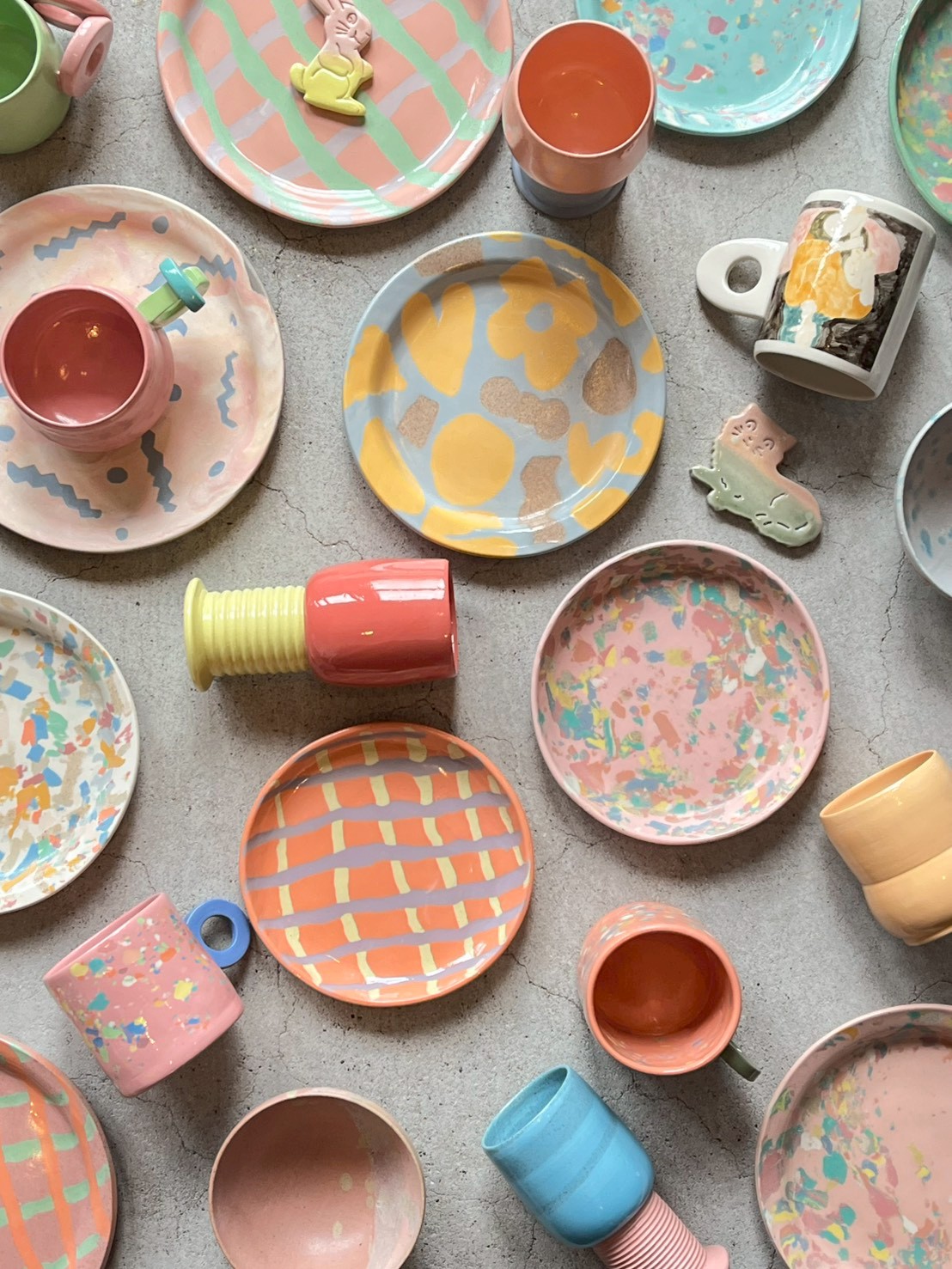
One bright piece on the table is enough to lift an ordinary meal.
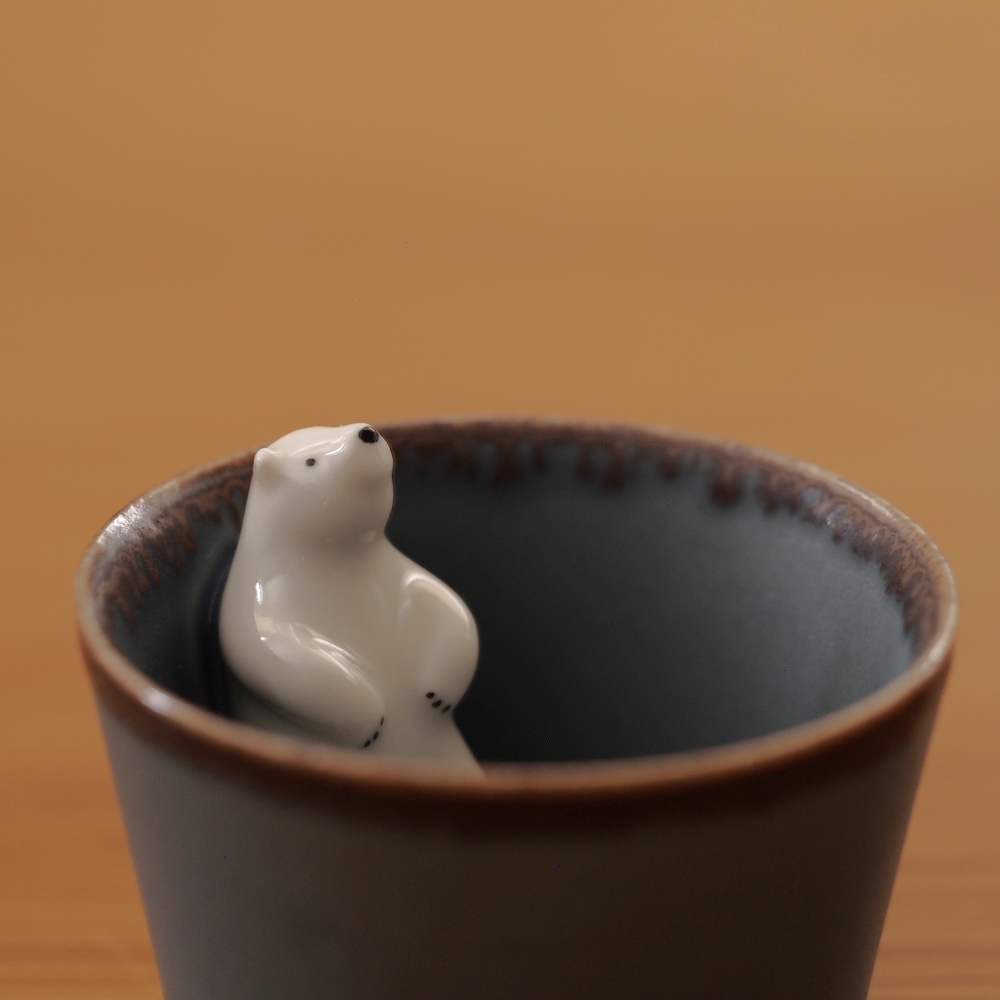
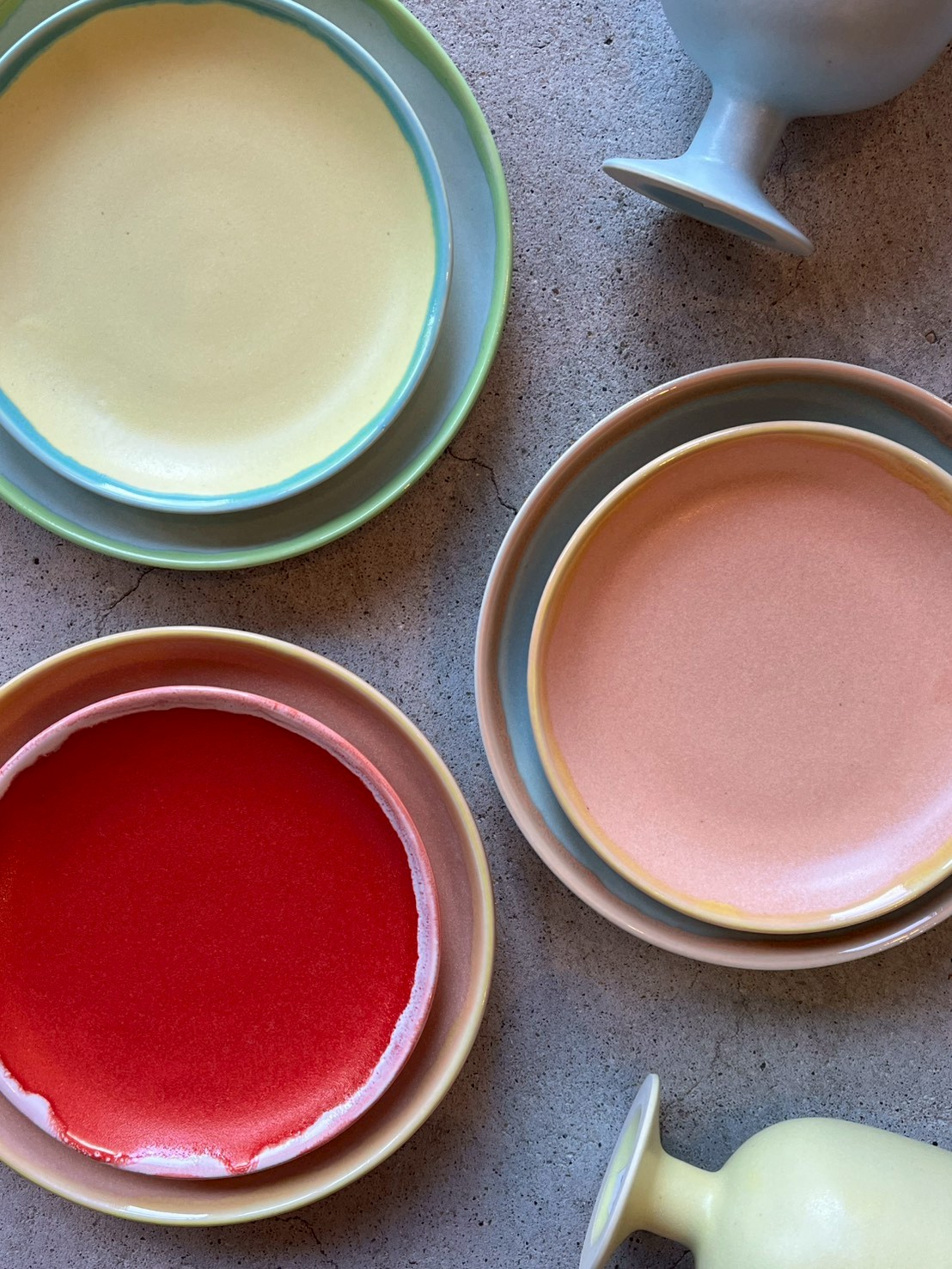
Deep blues that go almost black toward the rim. Pinks that came out of the kiln warmer than intended and were kept exactly as they were. Green glaze crystallised into small stars across a bowl. The colour is the glaze itself rather than any paint, and the potter is deliberately letting something half outside their control do the work.
Most of the strongest colour comes from overglaze enamel, fired a second time at lower heat. That second firing is what makes true red possible, and gold along with it. Kutani built its name on five of them: green, yellow, purple, deep blue and red, together called gosai. Kutani ware is the boldest painting tradition in Japan. Pieces carrying gold or silver want a hand wash and no microwave.
Artisan Works

Plates
Oval Plate, Lemon — Okinawa
¥4,180

Plates
Socho Turquoise Wave Half-Moon Plate, Gift Boxed — Seto
¥7,150

Plates
Socho Turquoise Wave Round Flat Plate, Gift Boxed — Seto
¥7,150

Bowls
Ice-Crackle Rice Bowl, Medium — Bubble Blue
¥3,700

Tea ware
Blue Landscape Tumbler
¥3,300

Mugs
Ice-Crackle Coffee Cup, Large — Bubble Blue
¥5,500

Bowls
Ice-Crackle Rice Bowl, Large — Bubble Blue
¥4,400

Mugs
Ice-Crackle Mug — Bubble Blue
¥5,500

Plates
Yoake Blue Wave Half-Moon Plate, Gift Boxed — Seto
¥7,150

Bowls
Blue-Gray Enamel Flower Bud Bowl
¥4,180

Plates
Socho Turquoise Wave Droplet Plate, Gift Boxed — Seto
¥4,400

Mugs
Ball-Footed Coffee Cup, Brown
¥6,050
Related Articles
All Articles-

Japanese Pottery Patterns: What the Motifs Actually Mean
-

Kintsugi: How to Repair Pottery With Gold (and Why)
-

Japandi Ceramics: Japanese Pottery in Minimal Interiors
-

Wabi-Sabi at Home: Ceramics for a Calmer Room
-

Pottery Regions of Japan: A Buyer's Map
-

Anagama vs Noborigama: Japanese Wood Kilns Compared


