

Japanese Painted Ceramics
Pieces painted by brush, above the glaze or below it. A brush laid down once is fired exactly as it fell, so each line keeps the breath of the moment it was drawn.
Sometsuke blue drawn under the glaze. Berries and leaves crossing a rim. A rabbit that differs slightly from plate to plate, because the hand moved slightly differently that morning. Line them up and those differences are the whole point.
Blue painted before glazing is sometsuke. The gosu pigment goes on grey and only turns blue in the kiln, so the painter is working blind. Colour laid on top of a finished glaze is fired a second time at lower heat, and that second firing is the only way to get red and gold. Knowing what the motifs mean changes how you choose.
Artisan Works

Mugs
Dancing Figure Mug
¥7,150

Mugs
Dove Mug
¥6,600

Plates
Nozberry Compote Stand, 21cm
¥19,800

Glass ware
Swirling Cherry Blossom Mug, Extra Large
¥26,400

Plates
Nozberry Rim Plate, 24cm
¥22,000

Glass ware
Gentle Cherry Blossom Mug, Extra Large
¥26,400

Plates
Nozberry Rim Plate, 21cm
¥17,600

Tea ware
Nozberry Coffee Dripper
¥19,800

Glass ware
Allover Cherry Blossom Mug, Extra Large
¥22,000

Glass ware
Nozberry Free Cup
¥11,000

Mugs
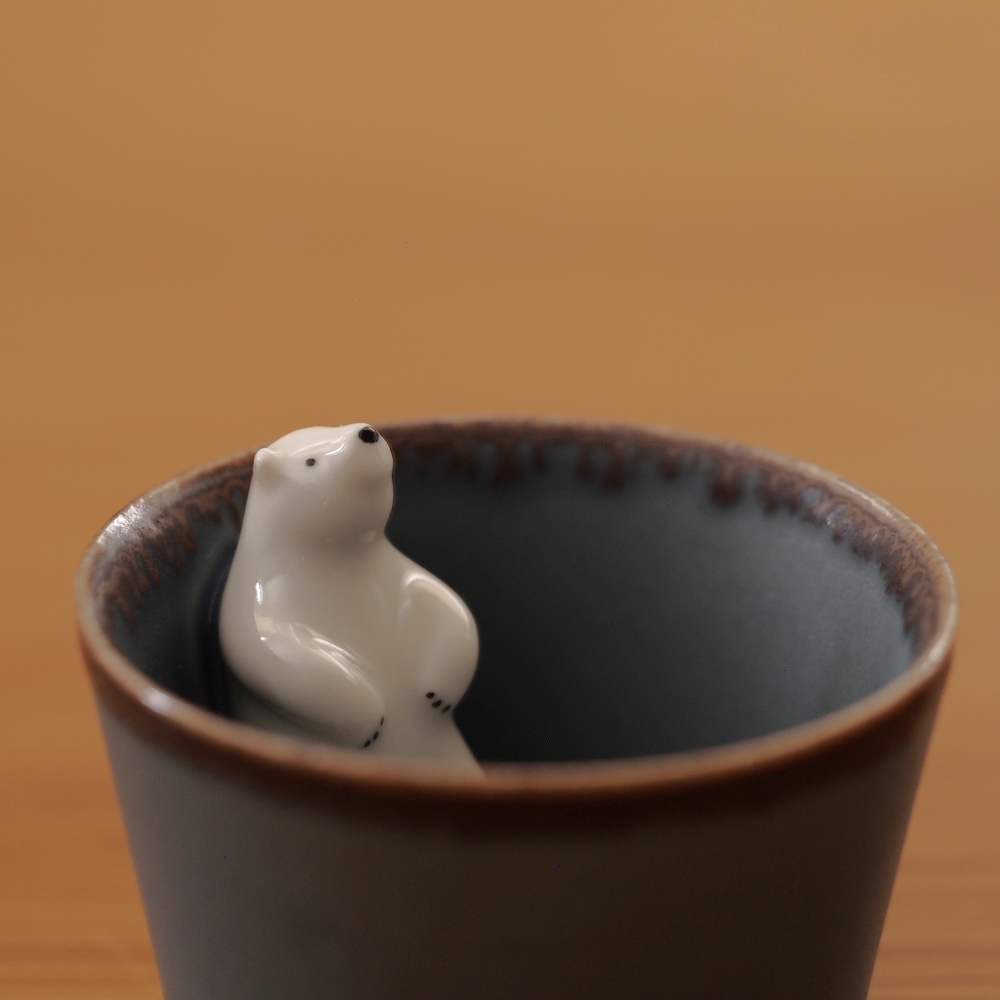
Bear Mug, Round No.1
¥6,050

Plates
Cut-Corner Rectangular Plate, Flowers
¥4,950
Related Articles
All Articles-

Japanese Pottery Patterns: What the Motifs Actually Mean
-

Kintsugi: How to Repair Pottery With Gold (and Why)
-

Japandi Ceramics: Japanese Pottery in Minimal Interiors
-

Wabi-Sabi at Home: Ceramics for a Calmer Room
-

Pottery Regions of Japan: A Buyer's Map
-

Anagama vs Noborigama: Japanese Wood Kilns Compared


