
Japanese Porcelain: Made from Stone, Not Clay

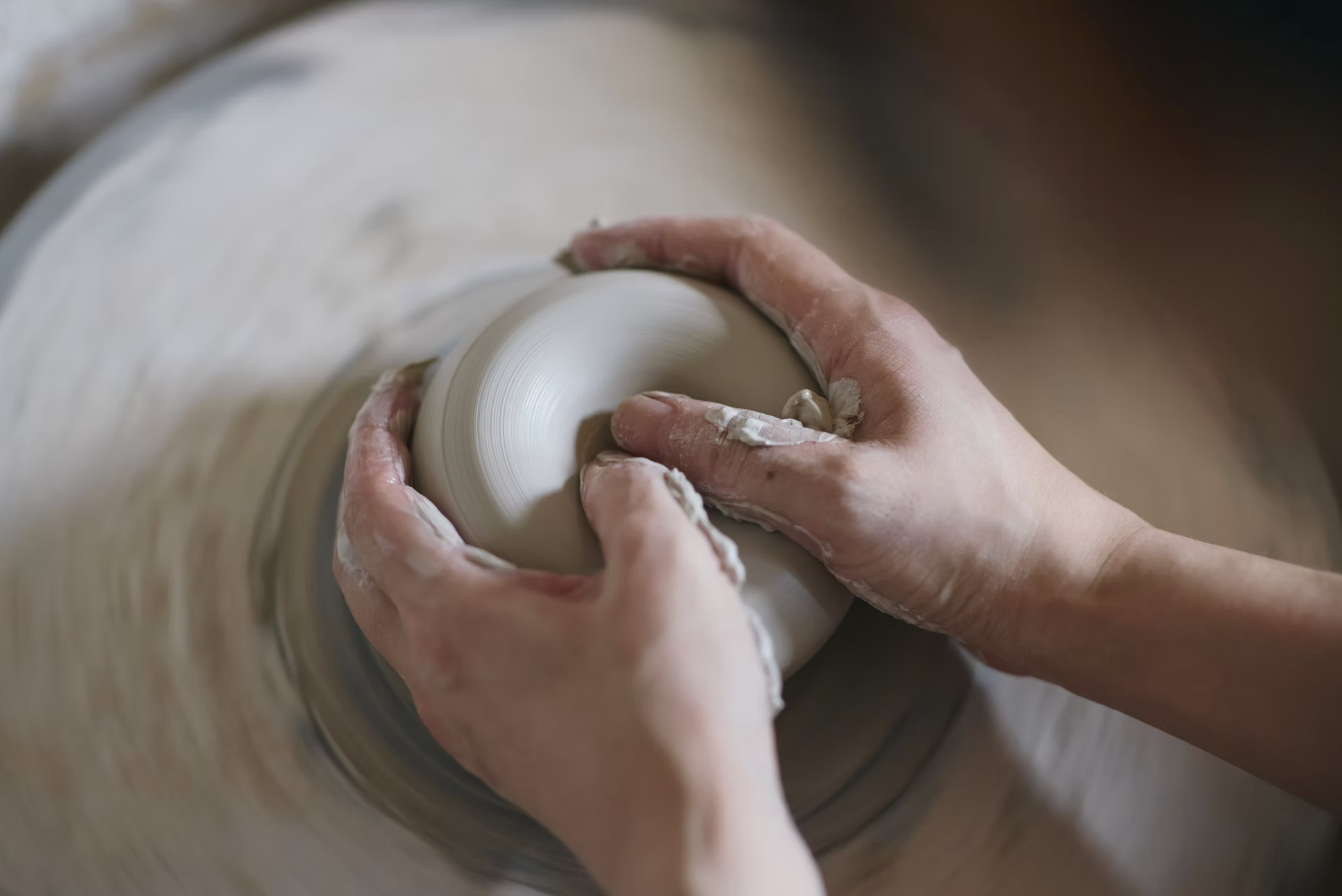
Japanese porcelain is made by crushing stone. It begins somewhere completely different from stoneware, which starts with clay dug out of the ground.
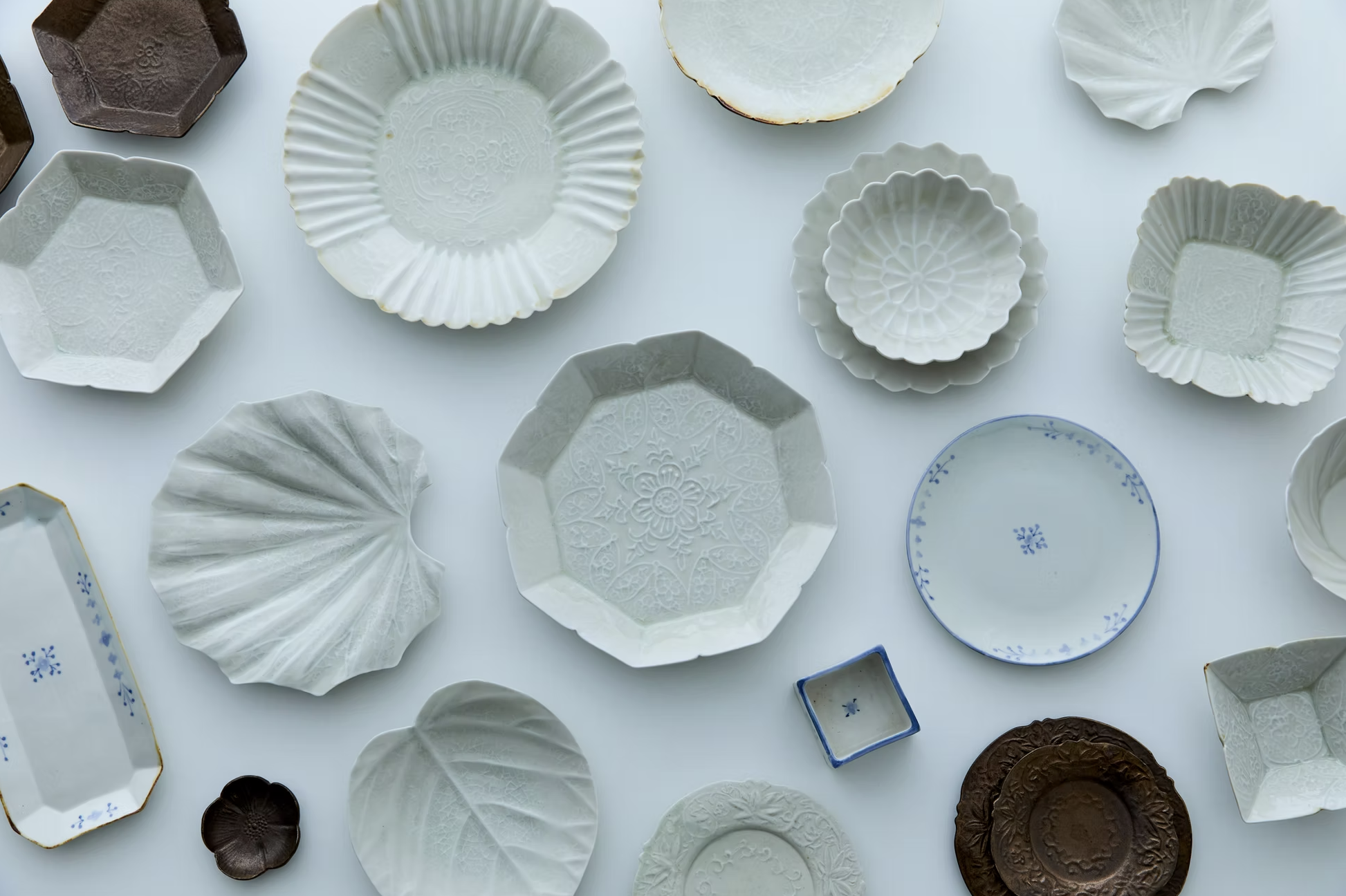
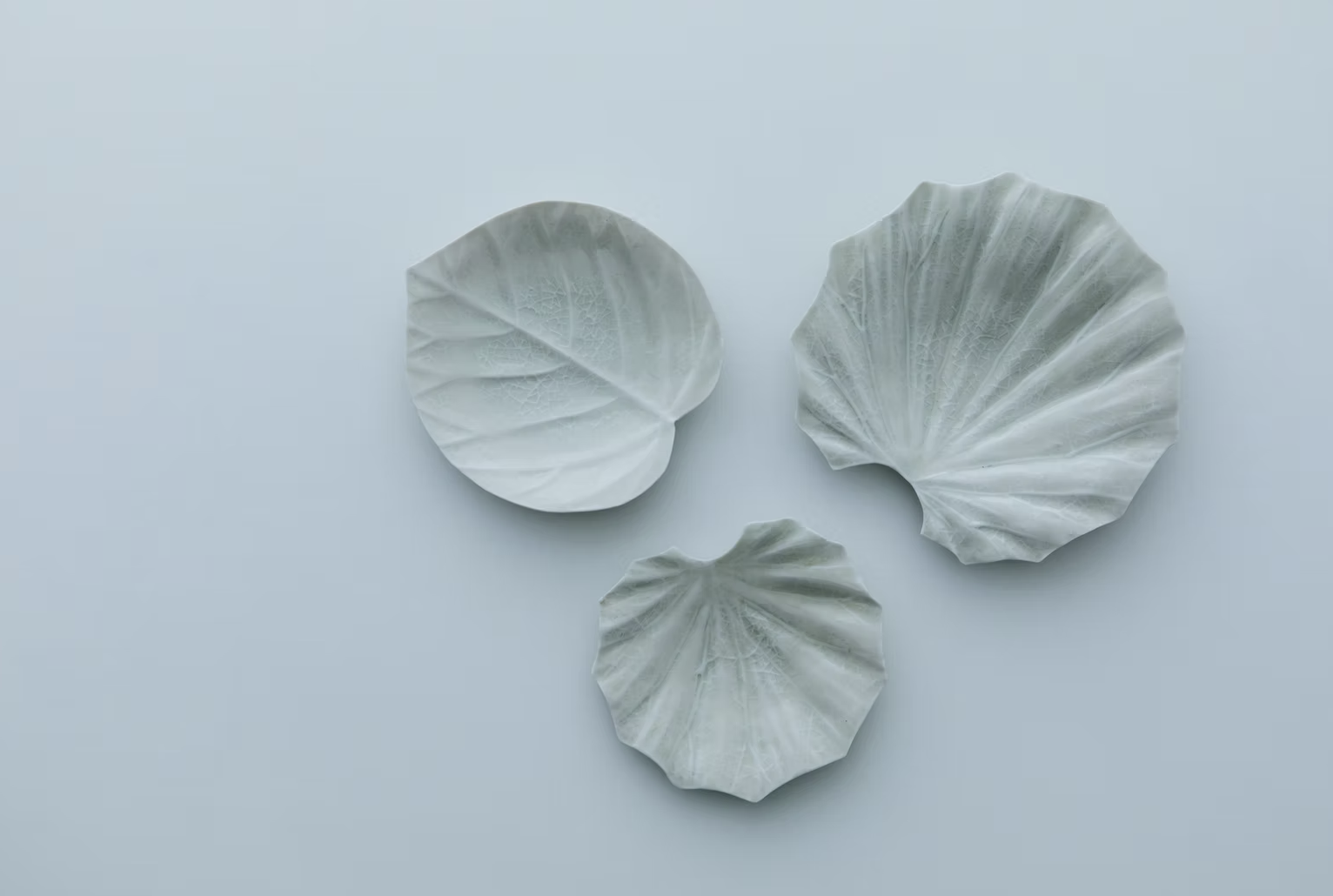
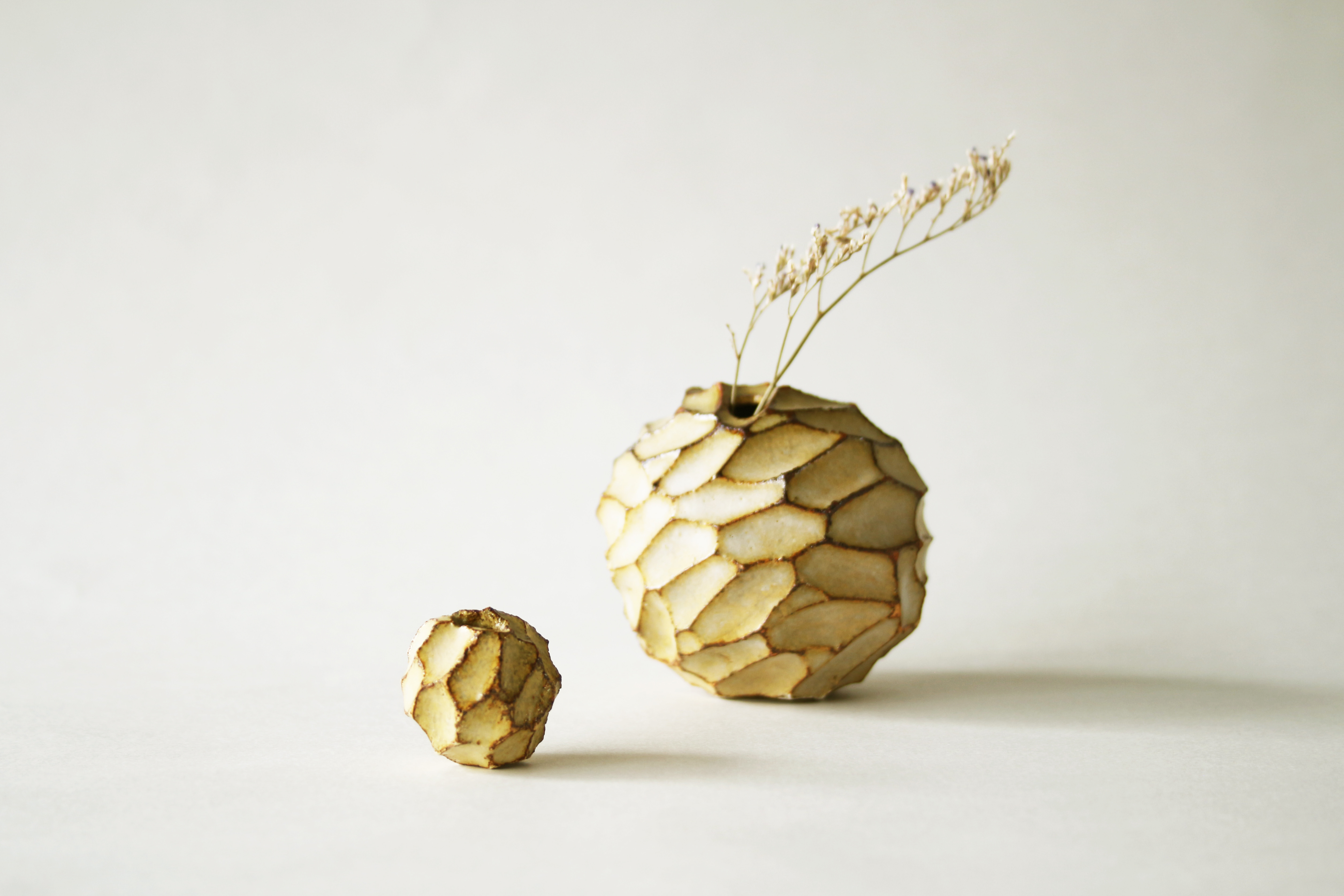
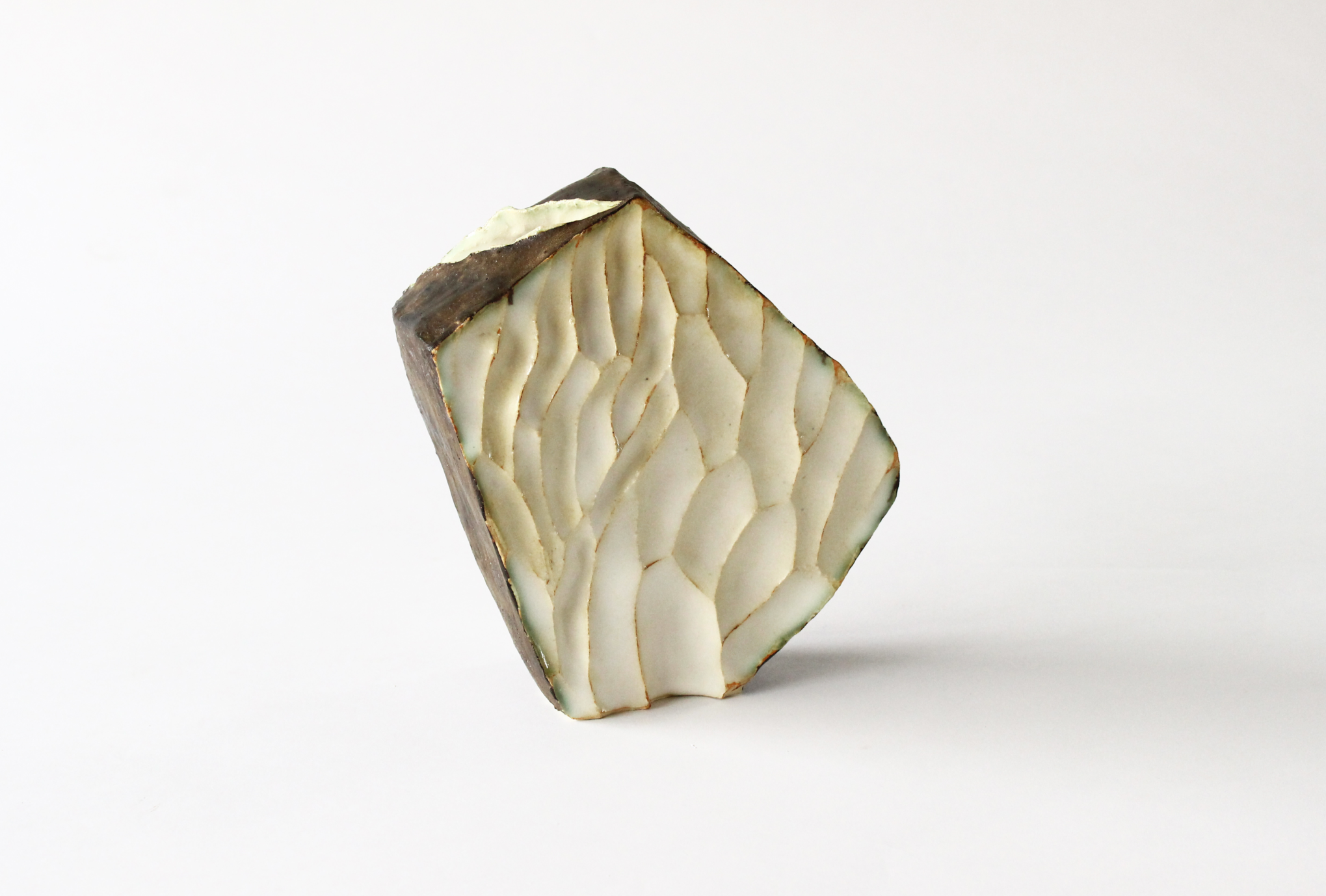
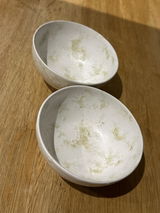
The raw material is porcelain stone. White rock containing feldspar, quartz and kaolin is ground to a powder, mixed with water and formed. Fired at around 1,300C, the body turns glassy all the way through, and a flick of the finger returns a clear, high note. Hold a piece to the light and the rim glows faintly. That is a property only porcelain has.
If you would rather see the differences laid out in a table first, go to stoneware vs porcelain. The three-way classification is covered in earthenware, stoneware and porcelain.
Clay, or stone
What separates stoneware from porcelain is not the region and not the price. It is the raw material.
| What to check | Porcelain | Stoneware |
|---|---|---|
| Raw material | Ground porcelain stone | Clay dug from the ground |
| Firing temperature | Around 1,300C | 1,100 to 1,250C |
| Water absorption | None | Yes |
| Sound | A clear, high ring | A low knock that stops short |
| Light | Thin areas glow through | Opaque |
The easiest place to check is the underside. Turn the piece over and look at the foot ring where it meets the table: the glaze is wiped away there and the bare body shows. White and dense means porcelain. Red-brown or grey means stoneware.
Japanese porcelain began in Arita
Porcelain was first fired in Japan in the 1610s, in Arita in Saga Prefecture. White porcelain stone was found at Izumiyama, and porcelain that had until then been imported could finally be made at home.
From there the technique spread. Arita ware grew toward thin, precise white porcelain with hand painting; Hasami ware toward light, tough porcelain for daily use; Tobe ware toward thick everyday porcelain that resists chipping. Same material, clearly different characters depending on where it is made.

White is also a ground
The white of porcelain is finished in itself, and at the same time it is a ground to paint on.
- Sometsuke Cobalt is painted under the glaze. It only turns blue once it goes into the kiln
- Overglaze enamel Colour is laid on the fired glaze and fired again at a lower temperature. This is how red and gold become possible
- Celadon An iron-bearing glaze fired in a reduction atmosphere, developing a blue-green colour
Red and gold laid over blue is somenishiki; gold packed over red enamel is kinrande. Some styles, such as Kutani ware, use the white up entirely as negative space.
The easiest of all to live with
Because porcelain does not absorb water, it needs no sealing. Wash it and use it from the first day. Stains and odours stay out, and it takes the microwave and the dishwasher. Fitting out your most-used everyday pieces in porcelain makes the whole table far easier to manage.
The one thing to watch is sudden temperature change. A hot piece dropped into cold water can crack, so let it cool a little before washing. Keep gold and silver decoration out of the microwave.
Fine lines may appear across the glaze with use. That is crazing, not damage. Day-to-day handling is covered in caring for Japanese ceramics.
Related reading
Stoneware and porcelain
- Stoneware vs Porcelain: How to Tell Them Apart
- Earthenware, Stoneware, Porcelain: The Real Differences
- Hakuji (White Porcelain): Clear Glaze Over a Pure White Body
- Kodai (Foot Ring): The Part Collectors Check First
Porcelain regions
- Arita Ware: Japan's First Porcelain, 400 Years On
- Hasami Ware: The Nagasaki Porcelain That Brings Beauty to Everyday Life
- Tobe Ware: Shikoku's Thick, Everyday Blue Porcelain
- Kutani Ware: Japan's Boldest Ceramic Painting
Painting on white
- Sometsuke: Blue and White Porcelain, Explained
- Uwa-etsuke: How Overglaze Enamel Painting Works
- Hotarude: Rice-Grain Porcelain That Glows When Held to Light
- Celadon (Seiji): The Blue-Green Glaze of Iron and Fire
- Kinrande: Gold Fired Over Red Overglaze Enamel
Pieces available at Nokaze
Shop Japanese porcelain
Thin and light, it never absorbs water and never changes face however often you wash it. Hand-painted porcelain by working Japanese potters, sent to you directly from the region it was made in.
Browse platesFAQ
How do I tell porcelain from stoneware?
Does porcelain need sealing before first use?
Can porcelain go in the microwave?
Shop the related pieces


New to Japanese pottery? Start here — its history, how pottery differs from porcelain, the clays and glazes behind each style, and how to care for a piece. → Japanese Pottery: The Complete Guide