Artisan RiRiN | Black Clay Split, Torn and Finished Without Glaze

RiRiN is an artisan who makes pottery from black clay in Tokyo. Without using glaze, RiRiN finishes each piece through the texture of the clay itself and the contrast with white slip and silver.
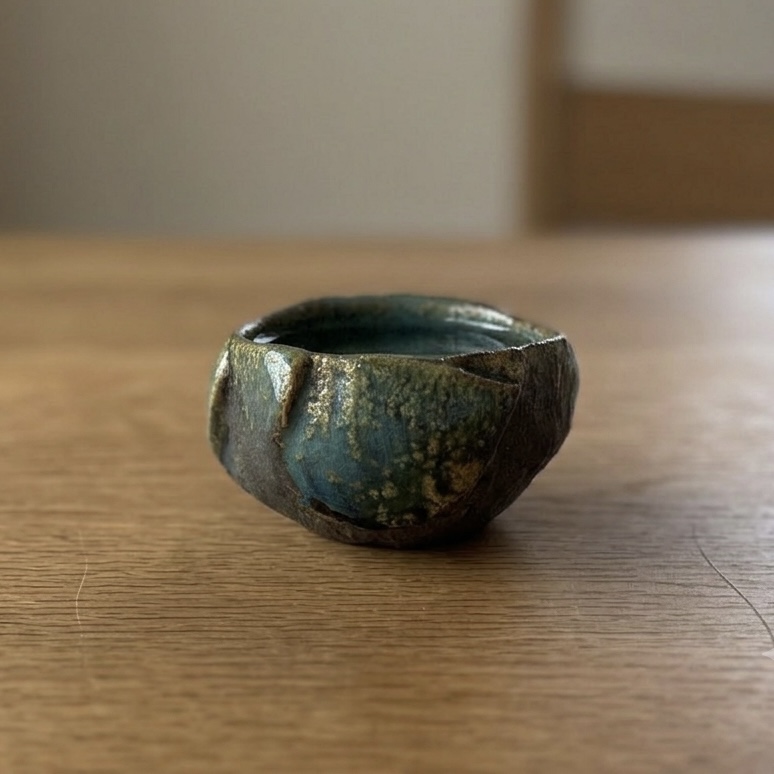
The pieces are hand-built and made with tatara (clay slabs). Through steps such as splitting, tearing and cutting out the clay, RiRiN refines the look of each cut edge, the thickness, the edge of the rim and the feel of the surface one by one. There is none of the uniformity of wheel-thrown pottery; every piece differs in shape and in how the color comes out.
Warping, the marks of the hand, cracks and torn edges. Things that might look imperfect at first are accepted as the character of that piece alone. That is the core of how RiRiN makes pottery.
nokaze carries RiRiN's pottery. You can browse the plates and flower vases one piece at a time.
Drawing Out the Character of Black Clay
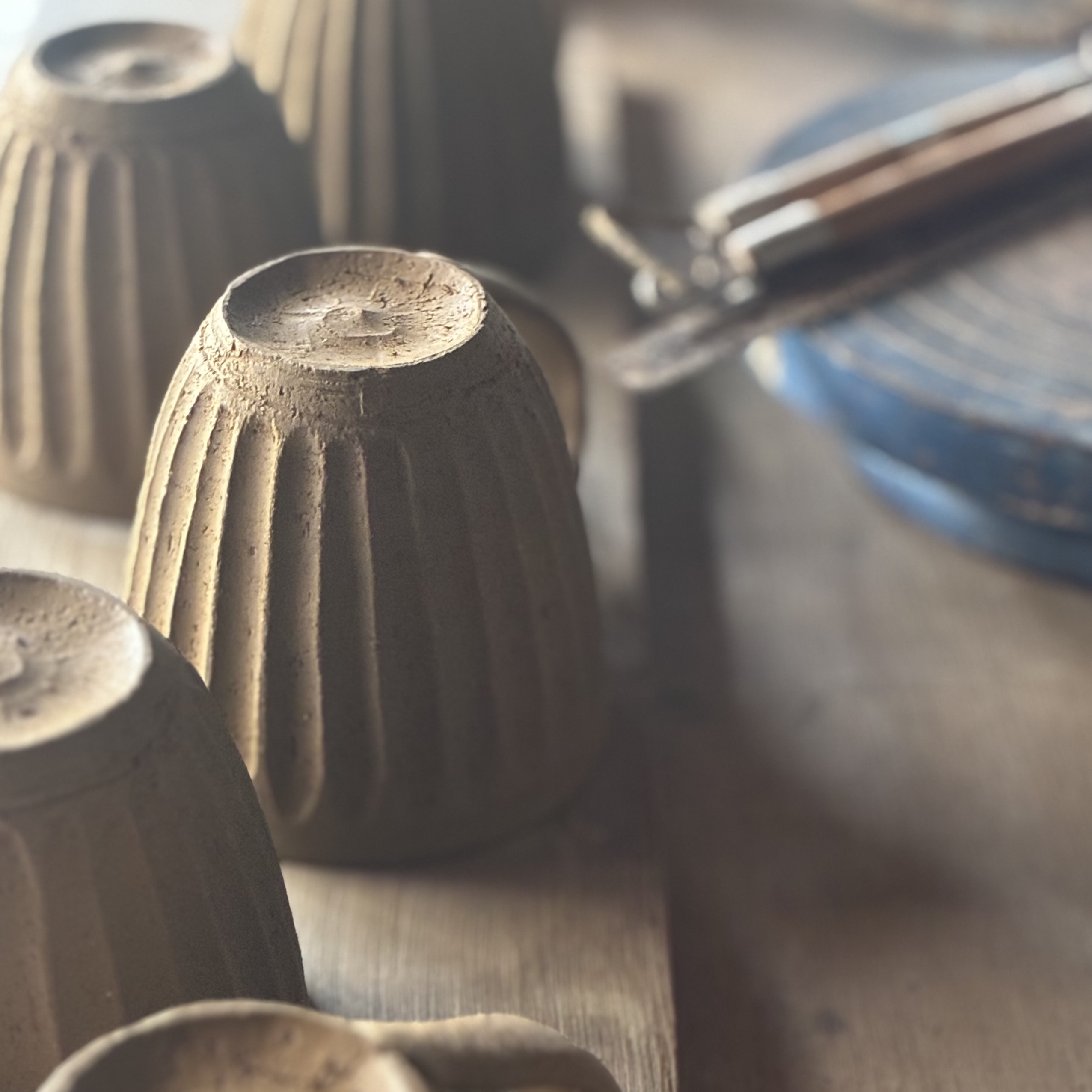
RiRiN's pottery is based on black clay. RiRiN uses clays of different grain, from coarse to fine, to bring out the clay's own texture and surface.
Instead of covering the surface with glaze, RiRiN layers white slip and silver to create contrast with the black clay. Because the pieces are fired without glaze, the surface of the clay becomes the face of the piece, just as with yakishime.
Rather than aiming for the same shape every time, I make pieces while valuing how the individual character of each one comes together in beautiful harmony.
Accepting Imperfection as It Is
A rim that looks slightly chipped, fine cracks running across the surface. RiRiN finishes the pieces keeping these marks of the hand and of chance as much as possible.
What RiRiN puts into the work is the hope that the belief that "it has to be this way" loosens a little, and that we can look kindly at our own imperfections and those of others. The pieces are made in the hope that, when you pick one up casually in daily life, you will feel the warmth of the clay and the richness of its surface.

Tatara Plates and Hand-Built Flower Vases
At nokaze we carry plates made with tatara and hand-built flower vases.
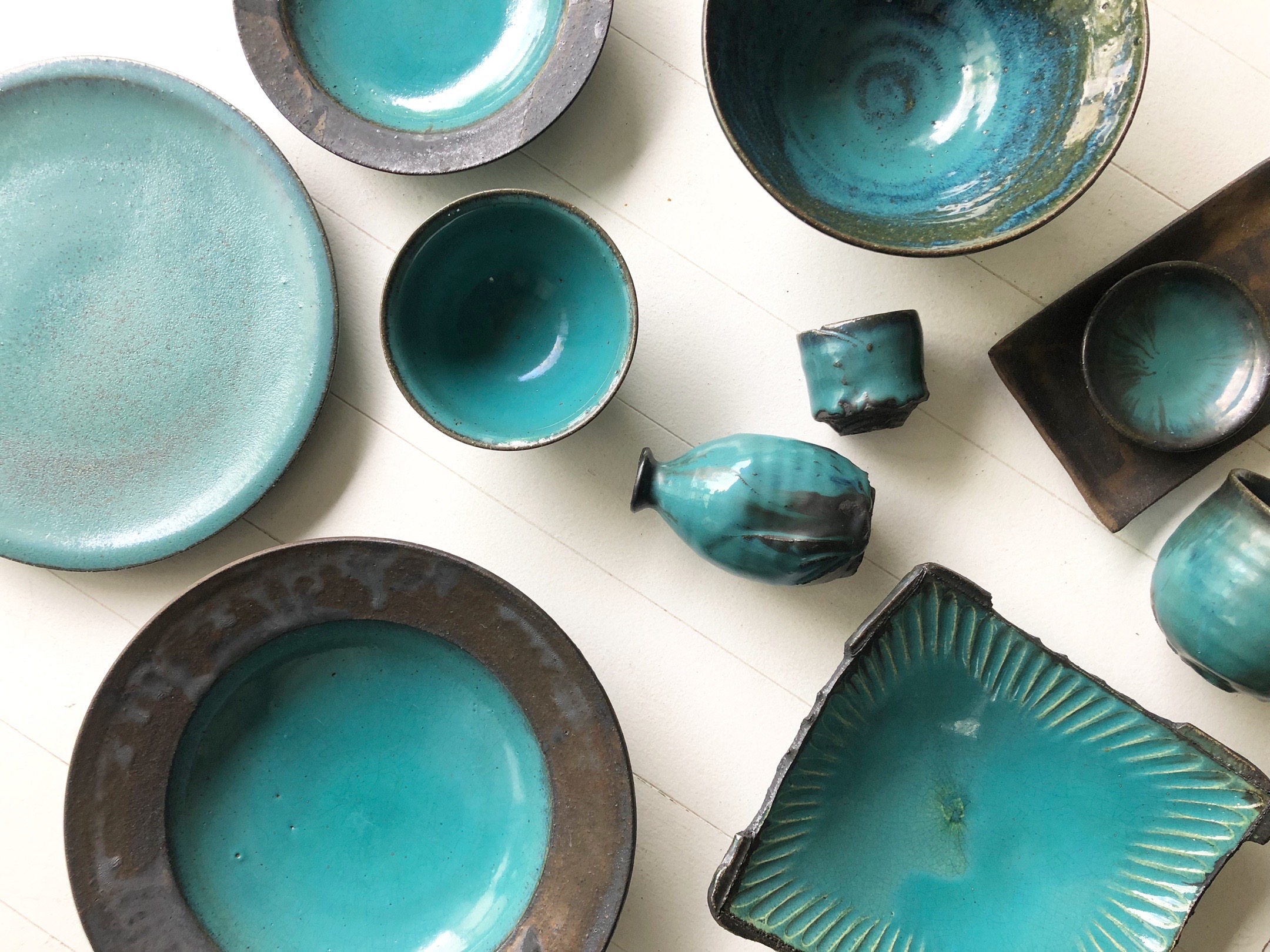
- Small tatara plates Small plates of unglazed, high-fired black clay. They keep the natural gradation of the rim and surface and have a waterproof finish, so you can use them for food as soon as they arrive
- Plates Flat plates that make the most of the unevenness of the rim and surface. They have no waterproof treatment, so they suit bread, baked sweets and other dry, low-oil food, or use as a decorative tray
- Flower vases Hand-built vases, each a different shape. The inside has a waterproof treatment
On a black clay plate, white and light-colored things stand out sharply. Cheese, bread, fruit, white wagashi. On days without food, a plate also works as a tray for jewelry or keys. For how to use small plates, see also small plates and mamezara.
A flower vase looks complete with a single branch or wildflower. The surface of black clay with white and silver showing through goes with green leaves and dried flowers alike. How to choose a single-stem vase is covered in how to choose a flower vase.

How to Care for RiRiN's Pottery
RiRiN's pottery cannot be used in the microwave or oven. The artisan's information says it is dishwasher safe, but to keep the texture of the clay for longer, we recommend washing by hand.
- Small plates with a waterproof finish The waterproofing gradually settles with use. When water no longer beads up, give the plate medome (a sealing treatment) or dip it lightly in water before use
- Plates without waterproof treatment If you serve oily or strongly colored food, giving them medome first or dipping them in water softens how much soaks in
- Oil marks Marks may remain even with a waterproof finish, but they blend in little by little with use
The more you use them, the softer the surface of the clay becomes, and each piece grows a character all its own. Care for unglazed pottery is also covered in stoneware care.
Related Articles and Terms
Techniques and Materials
- Tatara-zukuri: Building Pottery from Clay Slabs
- Tebineri: Hand-Building Pottery Without a Wheel
- Shirogeshou: How Japanese Potters Make Dark Clay White
- Ginsai: Silver Fired onto Pottery, Darkening With Time
- Yakishime: Unglazed Pottery Fired to Its Limit
Use and Care
- Medome: How to Seal Unglazed Pottery Before First Use
- Pottery That 'Grows': How Ceramics Change With Use
- Mamezara and Small Plates: Sizes and What to Serve
- Japanese Flower Vases: One Stem, One Vase
Browse
- RiRiN | Slab-Built Black Clay Plates & Vases
- Black Japanese Tableware | Iron Glaze, Matte & Gold
- Japanese Ceramic Vase | Handmade Flower Vases from Japan
RiRiN's Pottery
Plates and flower vases of black clay, split, torn and finished without glaze. A rim that looks chipped and fine cracks across the surface are part of each one-of-a-kind piece. If one catches your eye, take a closer look soon.
See the piecesFAQ
Why doesn't RiRiN use glaze?
Is a rim that looks chipped, or cracks on the surface, a defect?
Can I use them for food? Can they go in the microwave or dishwasher?
Shop the related pieces
RiRiN
14 pieces See all


Black Japanese Tableware
59 pieces See all
TAGAWA AKI
四神皿 白虎
$1,538.00
Japanese Plates

Bizen Ware Artist Fujiwara Akira
Hikidashi-guro Skull Sake Cup — Bizen Ware
$5,591.00
Japanese Sake Ware

Bizen Ware Artist Fujiwara Akira
Hikidashi-guro Bamboo Plate — Bizen Ware
$5,591.00
Plates

Yamamoto Masanori
Shinogi Rim Plate, Large Black — Shigaraki
$1,846.00
Plates
New to Japanese pottery? Start here — its history, how pottery differs from porcelain, the clays and glazes behind each style, and how to care for a piece. → Japanese Pottery: The Complete Guide