Japanese Mugs
The cup you reach for before you are properly awake, every morning, for years. A good Japanese mug earns that place slowly.
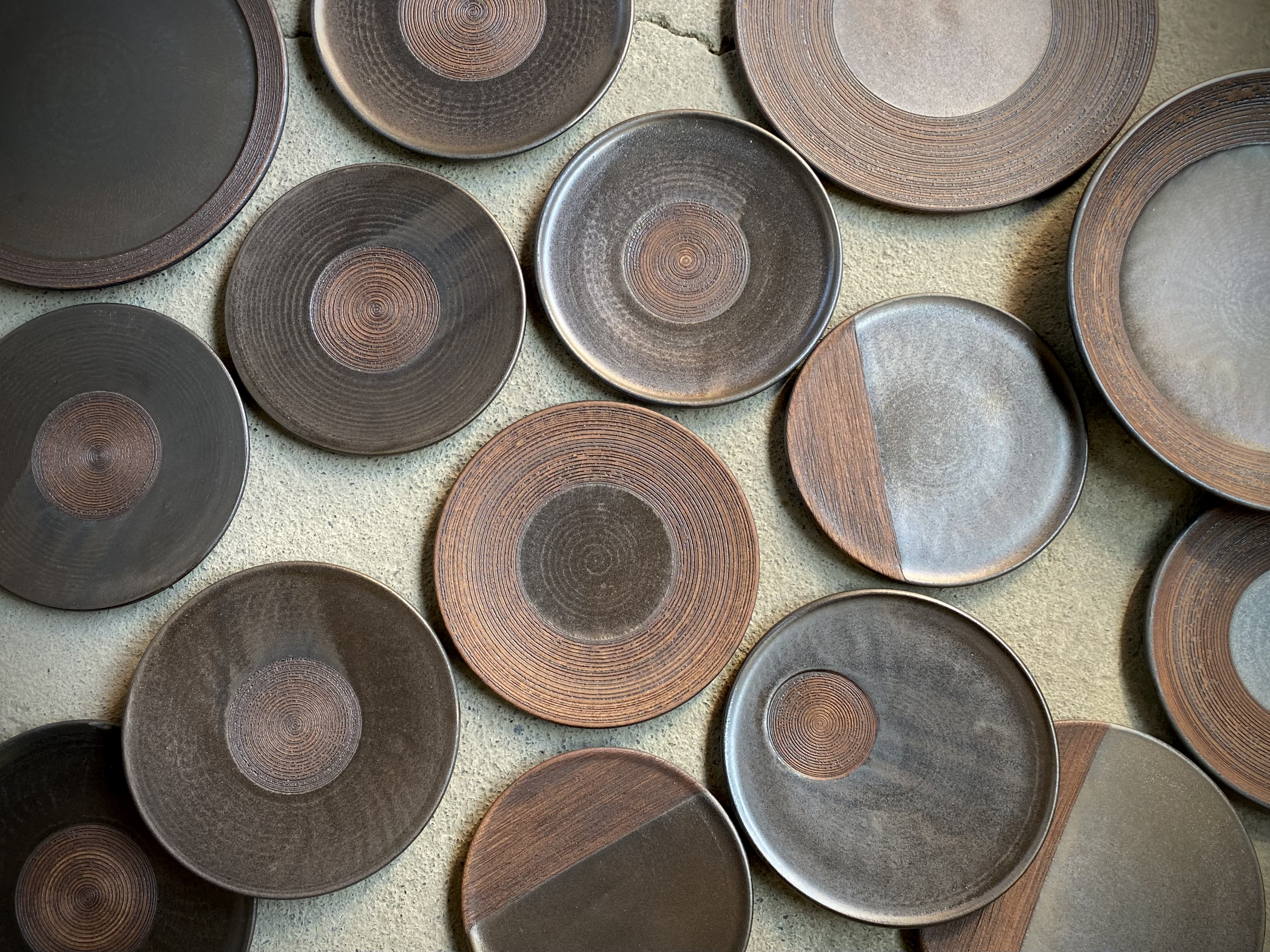
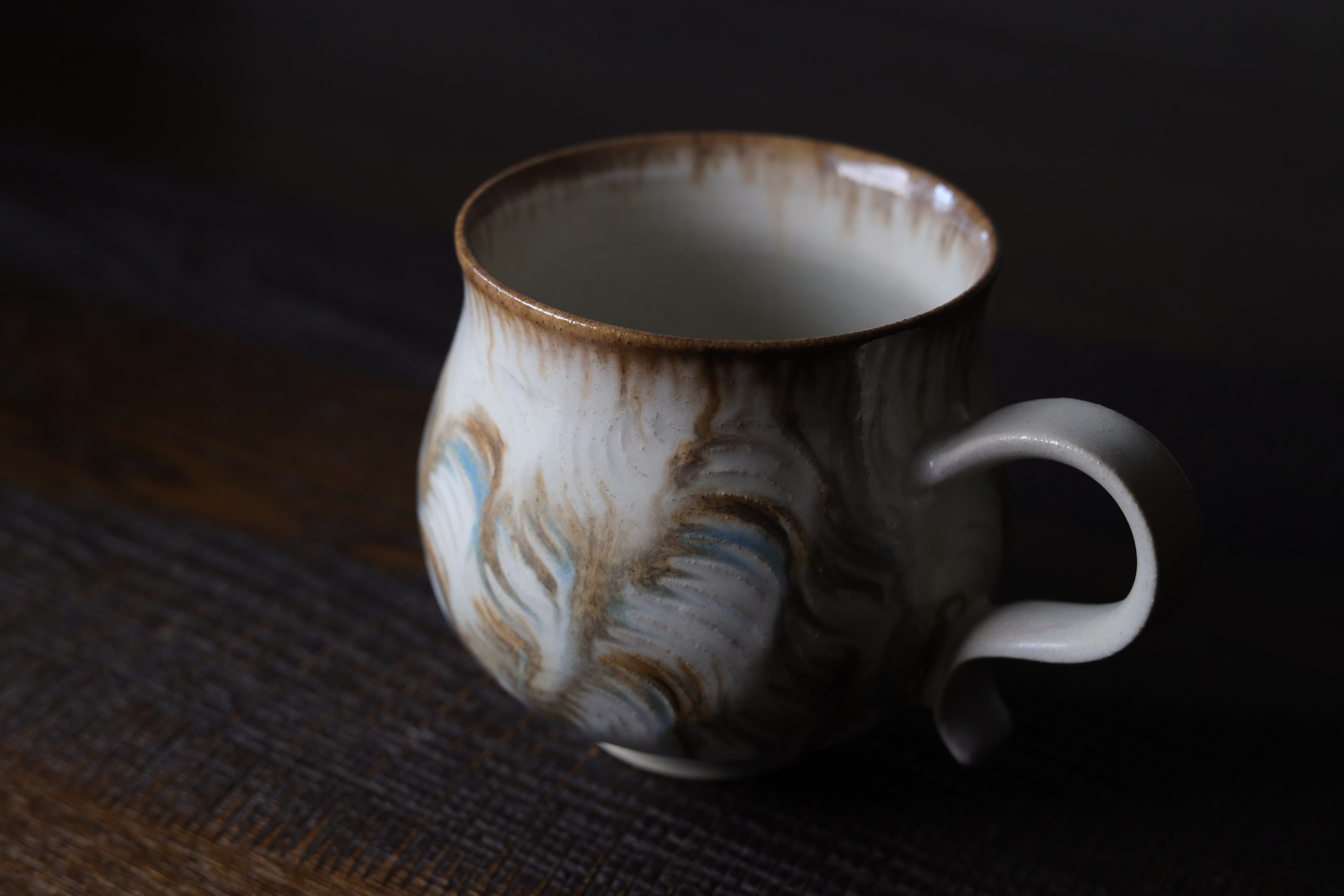
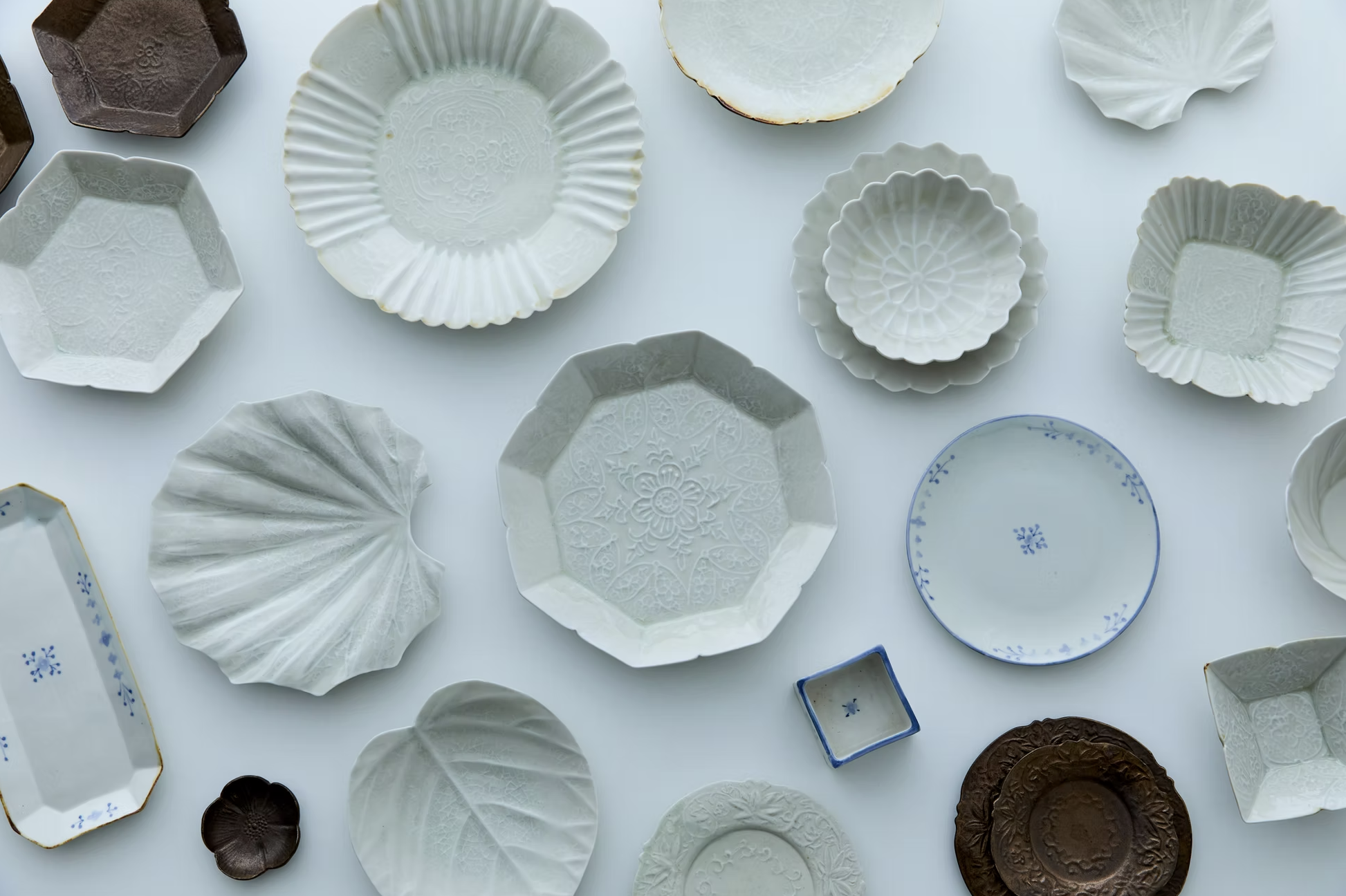
What makes it comfortable is the weight settling into your palm, the place your fingers find on the handle, and the thinness of the rim against your lip. Carved shinogi ridges, the soft white of kohiki, the depth of ash glaze, bare unglazed clay. The day starts a little differently from the moment you pick it up. Sizes, care & FAQ


Buying guide
Japanese Mugs Buying Guide
What you will find here
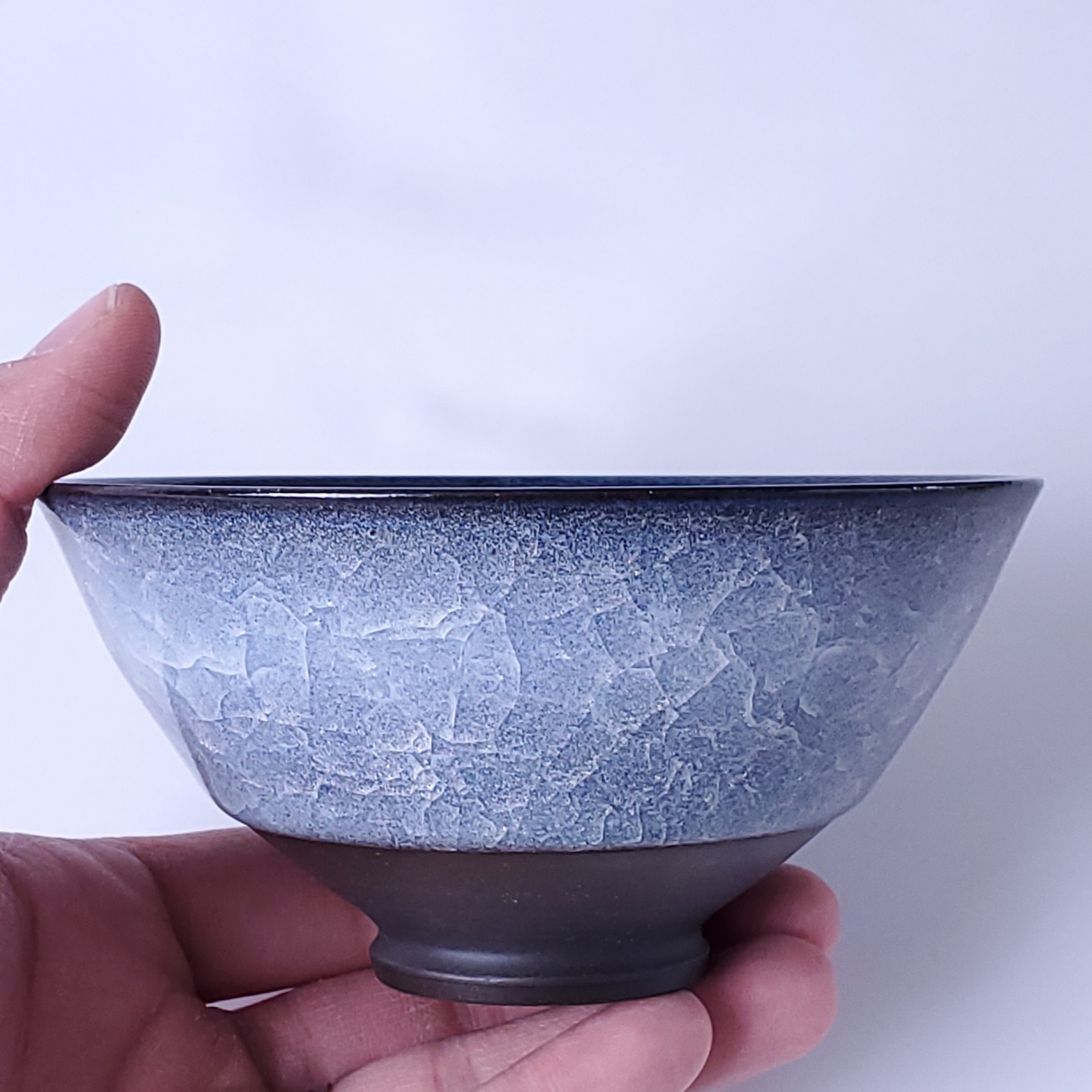
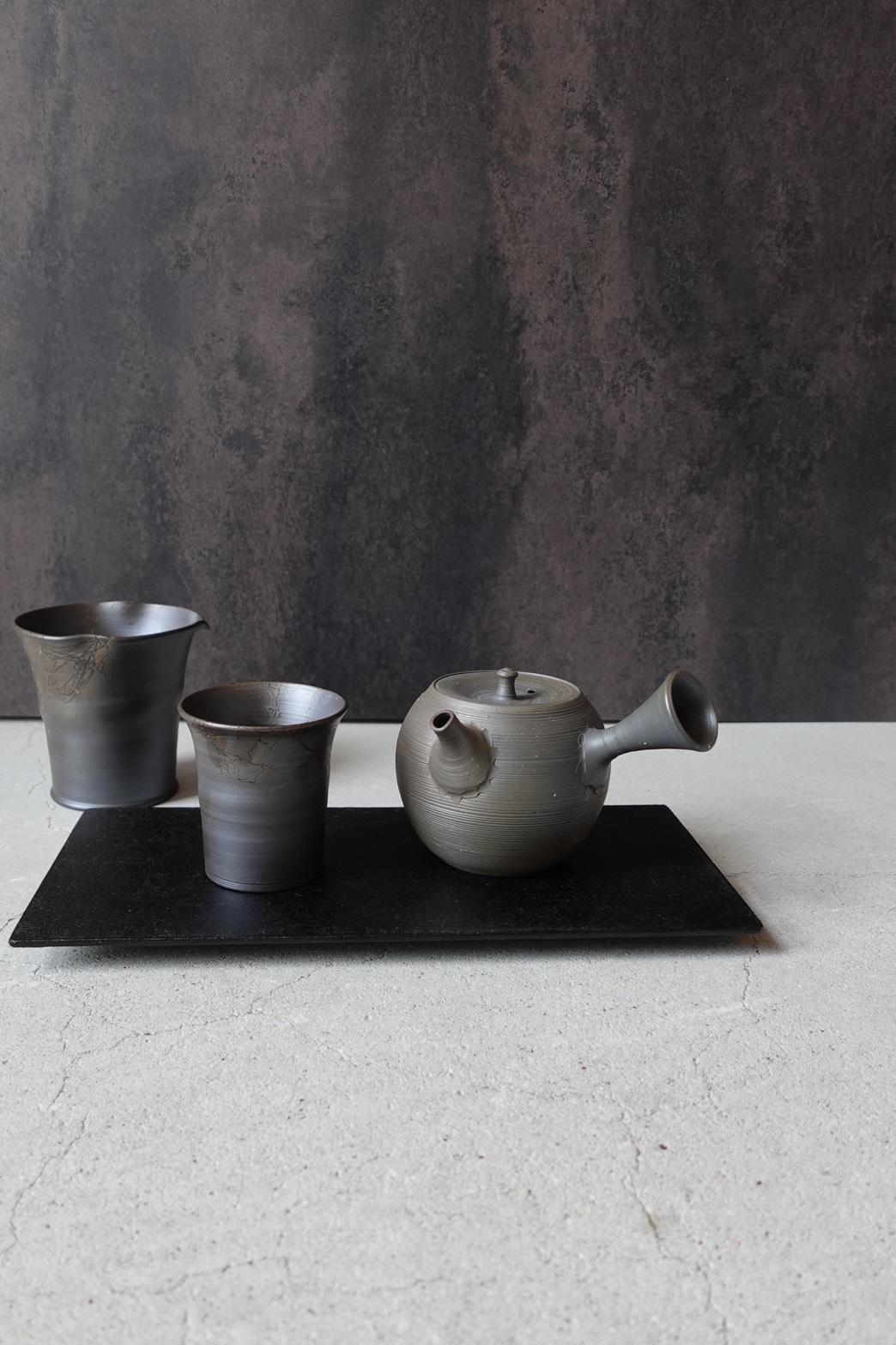
These Japanese ceramic mugs are made by artisans across the country. There are faceted mugs in Hagi glaze, unglazed and wood-fired mugs from Bizen, painted porcelain mugs from Arita, stoneware mugs from Shigaraki and Kasama, glazed mugs with twisted handles or lobed rims from Kyoto, and mugs from Okinawa and Iriomote Island. Some come with a saucer, some are tall enough for a large latte, and the collection also includes ceramic coffee drippers from Bizen and Seto. Each handmade Japanese mug is listed under the artisan or workshop that made it.
How to choose
| What to check | What it tells you |
|---|---|
| Diameter, about 7 to 13cm | A narrow mouth keeps coffee warm; a wide one cools tea faster and suits milky drinks |
| Height, about 6.5 to 12cm | Taller mugs hold more; low, wide mugs feel closer to a cup |
| Width with handle | Listed as the longer measurement; useful for shelves and cup hooks |
| Clay | Porcelain is thin and light; stoneware is heavier and holds heat longer |
Sizes in each listing are measured from the actual piece. For a deeper look at shapes, clays and what changes between a thrown mug and a molded one, read our guide to choosing a Japanese mug, or see Kyoto ware mugs for the mugs made close to our shop.
Made in Japan, region by region
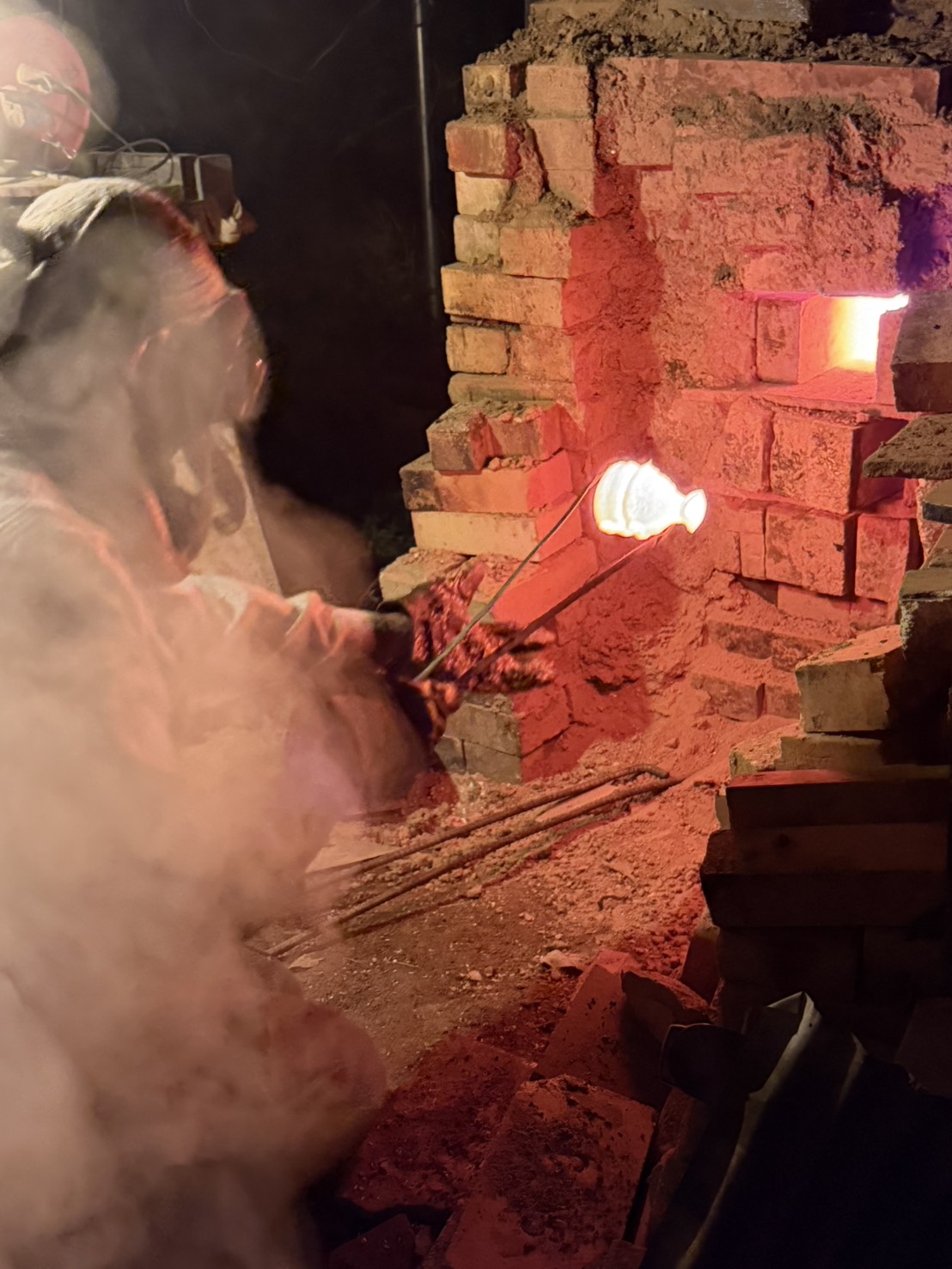
Hagi glaze softens and changes color with years of tea and coffee, which collectors call the seven changes of Hagi; see Hagi ware. Bizen is traditionally fired without glaze in a wood kiln, so every surface records the fire; see Bizen ware.
Care
Each listing states whether that mug is microwave-safe and dishwasher-safe. Most of the Hagi, Arita and Shigaraki mugs here are marked safe for both. Bizen and the Okinawan mugs are marked as hand-wash only or limited. A rinse and a full dry is usually all a mug needs; our microwave and dishwasher guide covers the rest.
Questions
Are these made in Japan coffee mugs?
Yes. Every mug here is made in Japan by an artisan or small workshop, and packed and shipped from Kyoto.
Will a handmade mug stain?
Some glazes, especially Hagi and soft white slip, slowly take on the color of what you drink. Many people value that change. Rinse soon after use if you prefer to keep the surface bright.
Do you ship outside Japan?
Yes. We ship worldwide from Kyoto.