

Japanese Sake Ware
At the end of the day there is an hour that belongs to you. The dishes are done, things have gone quiet, and you pour a small measure from a Japanese sake set.
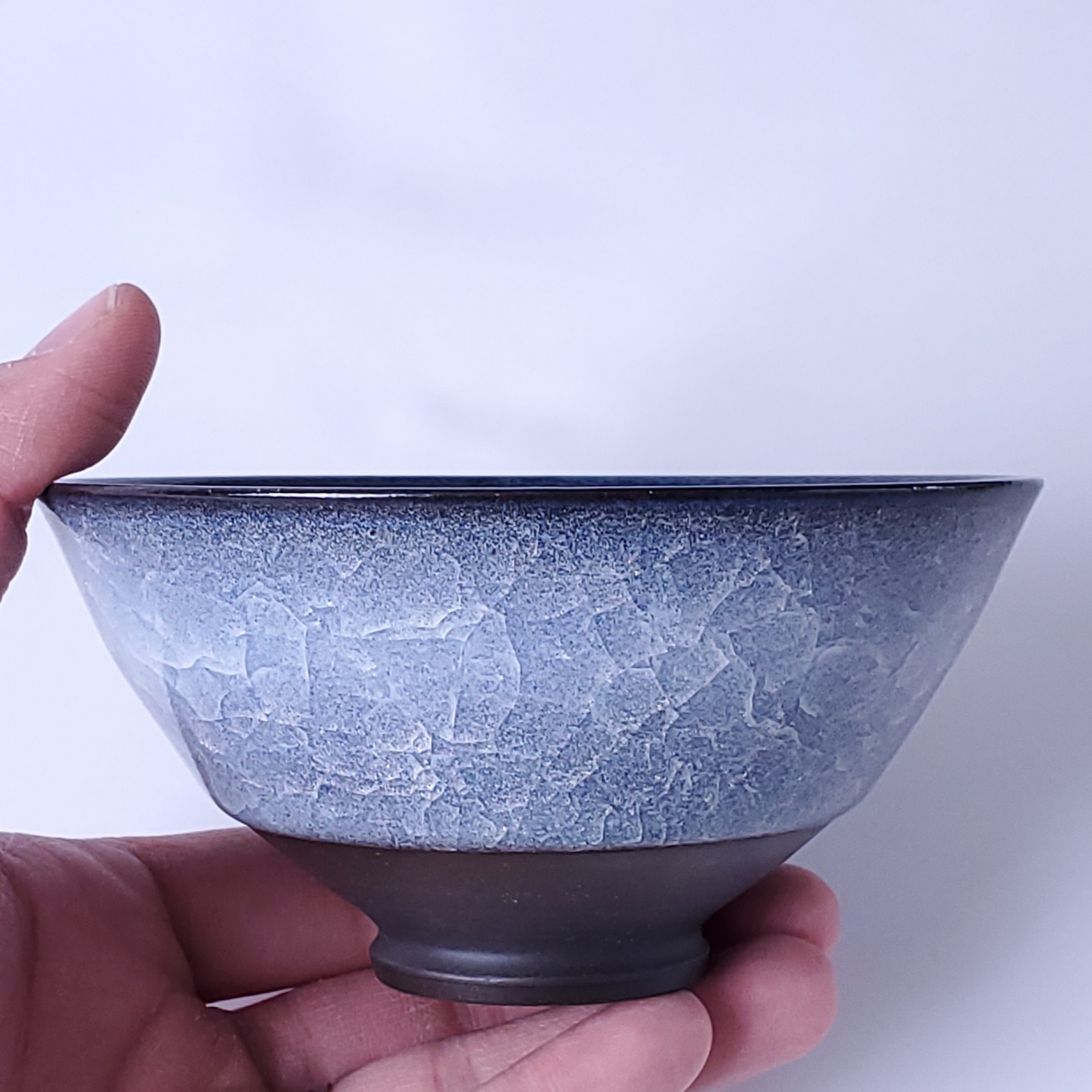
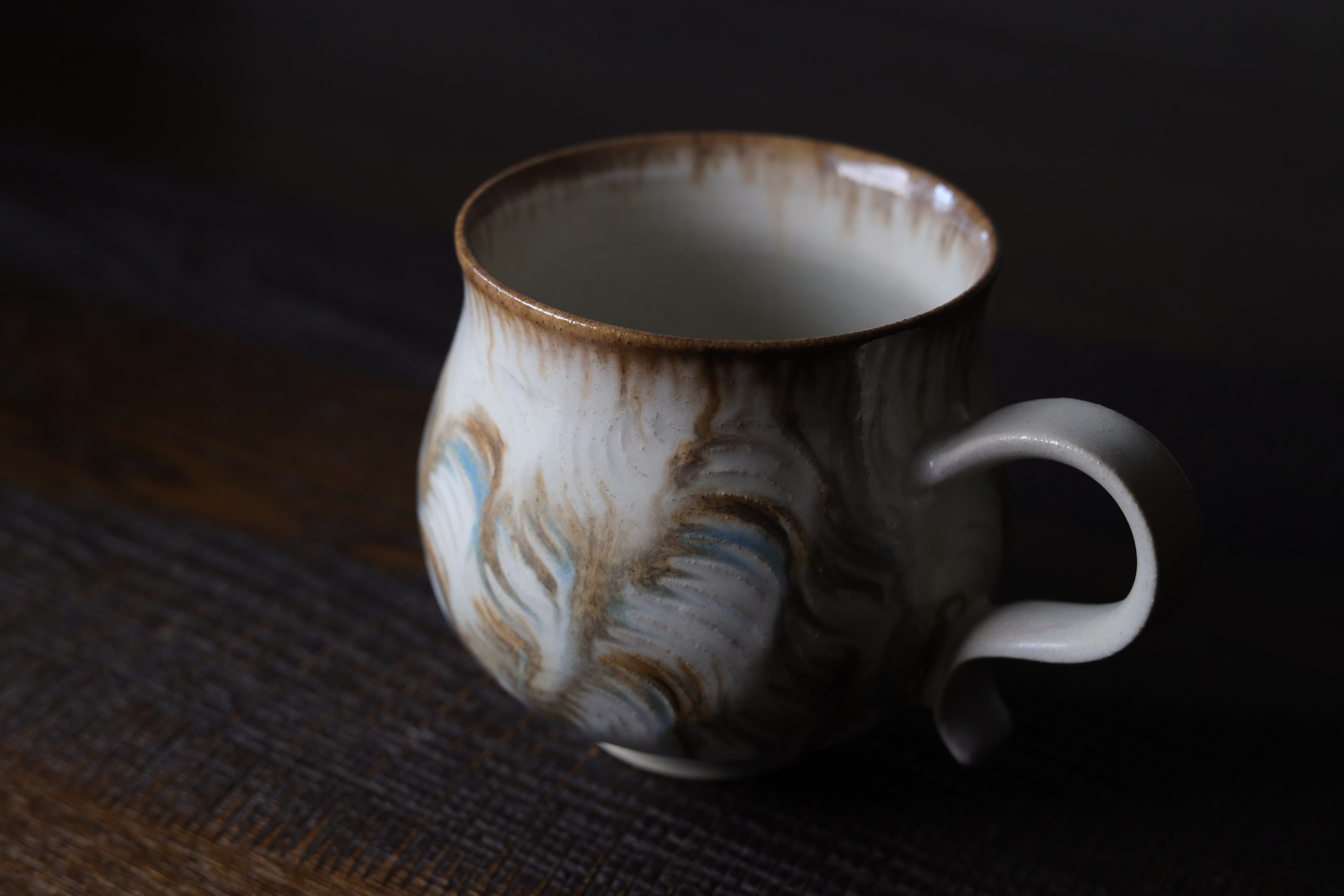
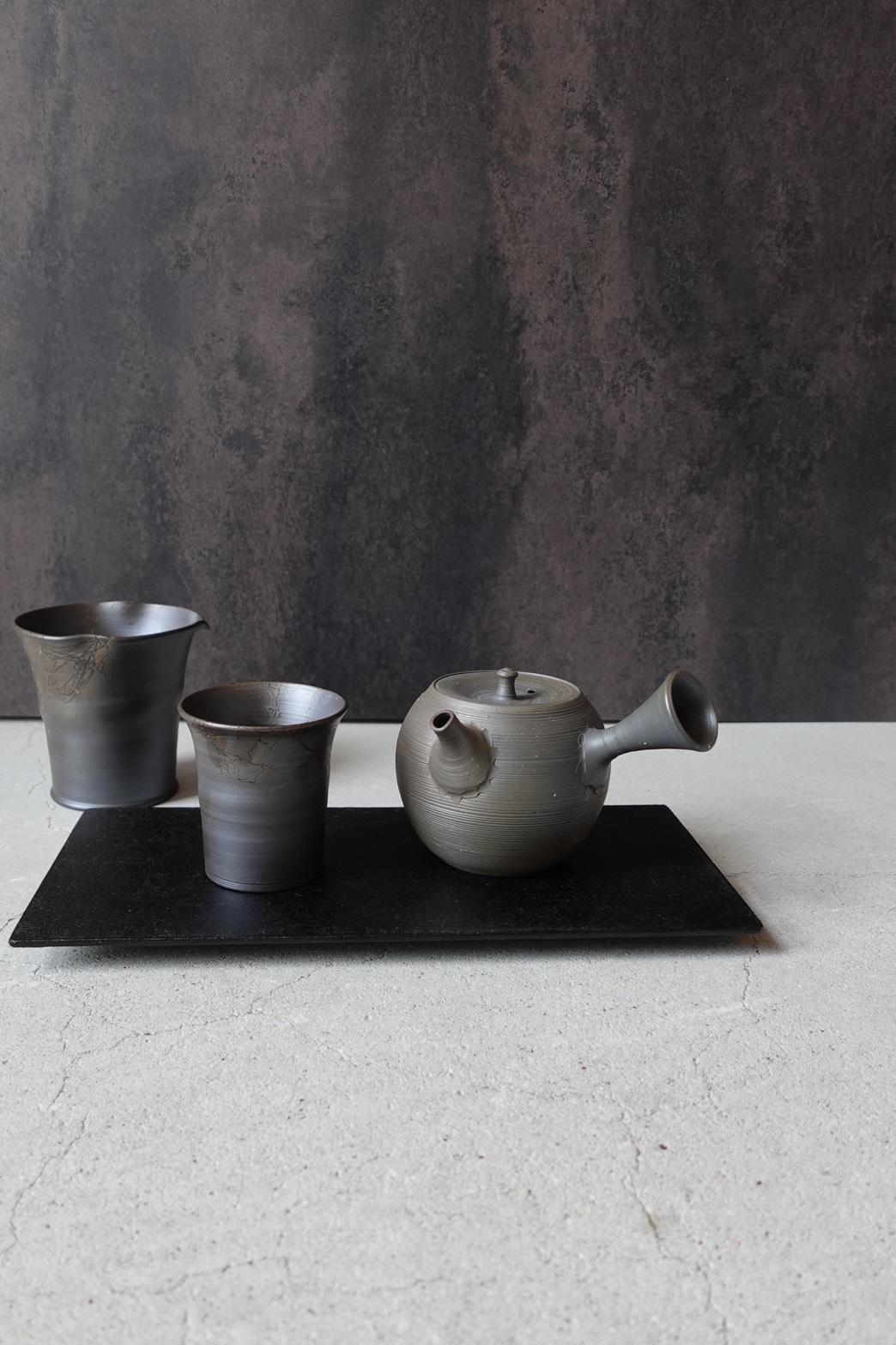
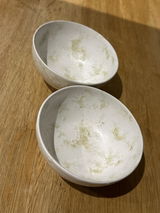
These pieces are made for that hour. Bizen hidasuki, where straw wrapped against the clay leaves red the potter cannot fully predict. Pine ash glaze, pale blue where it pooled. Small enough to sit in the palm, which turns choosing a cup into part of the pleasure. They work just as well with whisky. Sizes, care & FAQ


Artisan Works

Takezaki Noriyasu
Reki Sake Cup — Bizen Ware
¥22,000
Japanese Sake Ware

Takezaki Yoko
Faceted Guinomi Sake Cup, Goma — Bizen Ware
¥8,000
Japanese Sake Ware

Takezaki Yoko
Faceted Guinomi Sake Cup, Goma and Hidasuki — Bizen Ware
¥6,000
Japanese Sake Ware

Takezaki Yoko
Black Faceted Guinomi Sake Cup — Bizen Ware
¥8,000
Japanese Sake Ware

zikisai.com
Fujiwara Yu — Bizen Yohen Tokkuri
¥400,000
Japanese Sake Ware

zikisai.com
Fujiwara Kei — Bizen Hidasuki Guinomi
¥250,000
Japanese Sake Ware

Omame Puripuri Pottery
Calico Cat Girl Ochoko
¥2,800
Japanese Sake Ware

Bizen Ware Artist Fujiwara Akira
Hikidashi-guro Shell Sake Set — Bizen Ware
¥28,000
Japanese Sake Ware

Bizen Ware Artist Fujiwara Akira
White Bizen Sake Set, Tokkuri and Guinomi
¥25,000
Japanese Sake Ware

Bizen Ware Artist Fujiwara Akira
Red Clay Guinomi Sake Cup — Bizen Ware
¥13,000
Japanese Sake Ware

Bizen Ware Artist Fujiwara Akira
Hikidashi-guro Chilled Sake Server — Bizen Ware
¥13,000
Japanese Sake Ware

Bizen Ware Artist Fujiwara Akira
Red Clay Sake Set — Bizen Ware
¥30,000
Japanese Sake Ware
Buying guide
Japanese Sake Ware Buying Guide
What is in this collection
Bizen makes up the largest share. Fujiwara Akira pairs a tokkuri with guinomi in sets of red clay, white Bizen, natural ash glaze and hikidashi-guro black. Takezaki Noriyasu fires yohen and reki sake cups, some in paulownia boxes, and Takezaki Yoko cuts faceted guinomi marked with goma ash. Shibaoka Chikara's sangiri tokkuri comes from a wood-firing kiln founded in 1912. Two older Bizen pieces are by Living National Treasures.
Beyond Bizen, there are hidasuki guinomi by Ooe Kazuto in Mashiko, semi-porcelain cups by Lo YikSze in Kyoto finished in seven glazes, porcelain panda and polar bear cups by TADA Seizo, goblets and katakuchi by Hirai Shu, a shinogi sakazuki from Shigaraki, ochoko painted with animals by Oshikawa Kamiyu in Shiga, and sobachoko from Seiho Kiln on Iriomote Island in Okinawa.
Sake cups and flasks: how to choose
Sizes below are measured from the pieces here.
| Piece | Size here | How it is used |
|---|---|---|
| Ochoko | About 7cm across, under 5cm tall | A small cup, refilled often from a tokkuri |
| Guinomi | 4.6 to 8.8cm across; the cups in the Bizen sets hold 80 to 100ml | A larger cup, held and sipped slowly |
| Sakazuki | About 10cm across, 4cm tall | A flat cup for toasts; doubles as a small dish |
| Tokkuri | 10.5 to 16cm tall | The flask you pour from |
| Katakuchi | 9 to 16cm across | An open lipped pourer, good for chilled sake |
Clay changes the feel. Unglazed Bizen cups are matte and slightly rough at the lip, and they deepen in color with use, so the one you reach for most will be the best-looking one a year from now. Glazed and porcelain cups feel smoother and show the color of the sake.
Care
Bizen and most stoneware pieces here are not suited to the microwave or dishwasher. TADA Seizo's porcelain animal cups are listed as safe for both, and each product page shows what applies to that piece. Rinse after use and let unglazed pieces dry completely before boxing them.
Questions
What comes in a Japanese sake set?
A tokkuri and cups. The Bizen sets here pair a tokkuri with guinomi. You can also build your own from Japanese sake carafes and Japanese sake cups sold one at a time.
Is a guinomi bigger than an ochoko?
Yes. An ochoko is the small cup refilled from a tokkuri; a guinomi is larger and made to be held. The full list is in types of Japanese sake ware.