

Kyoto
Kyoto pottery developed to put the food first. The painting and the form are both worked out for the moment a dish is served on it.
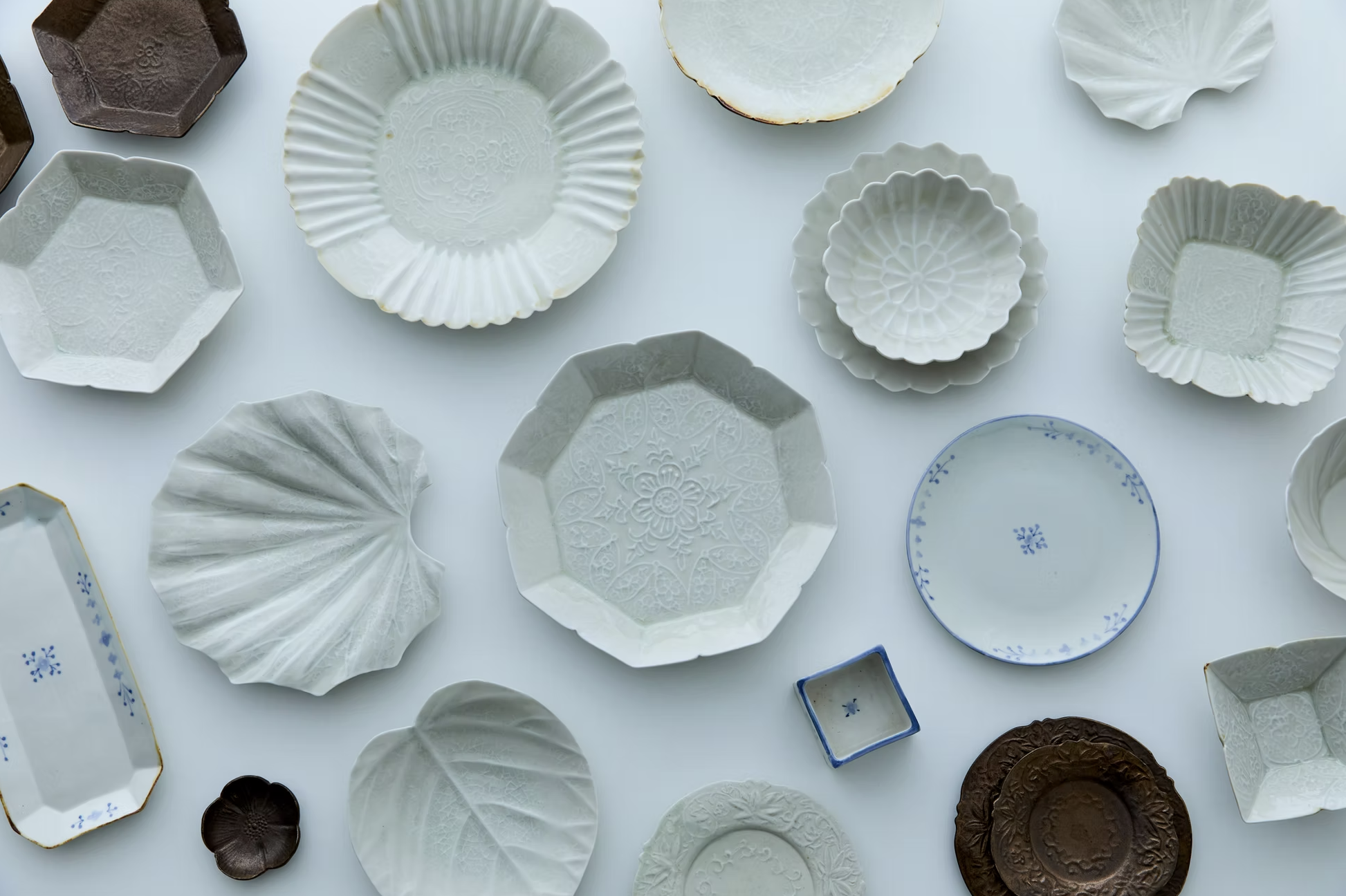
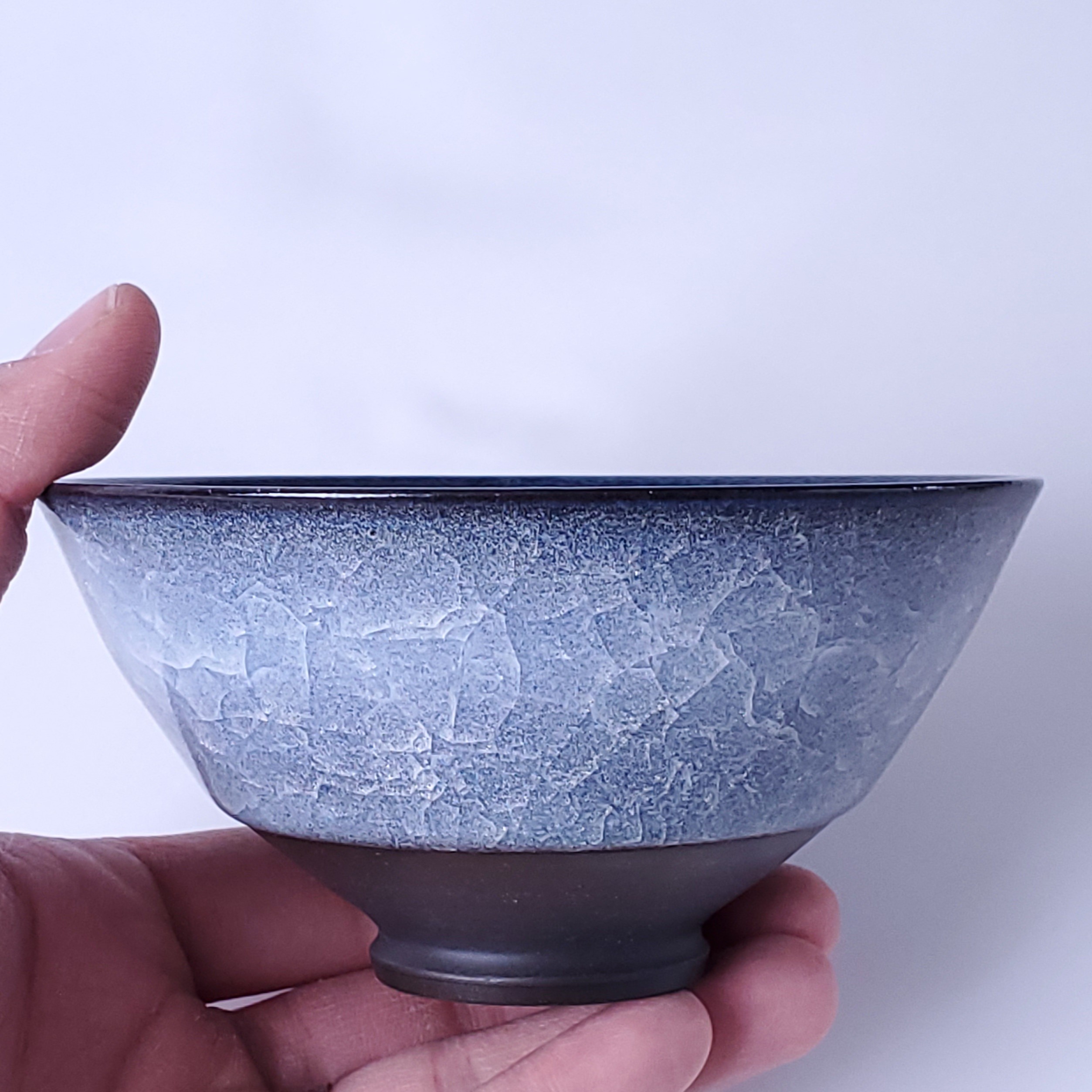
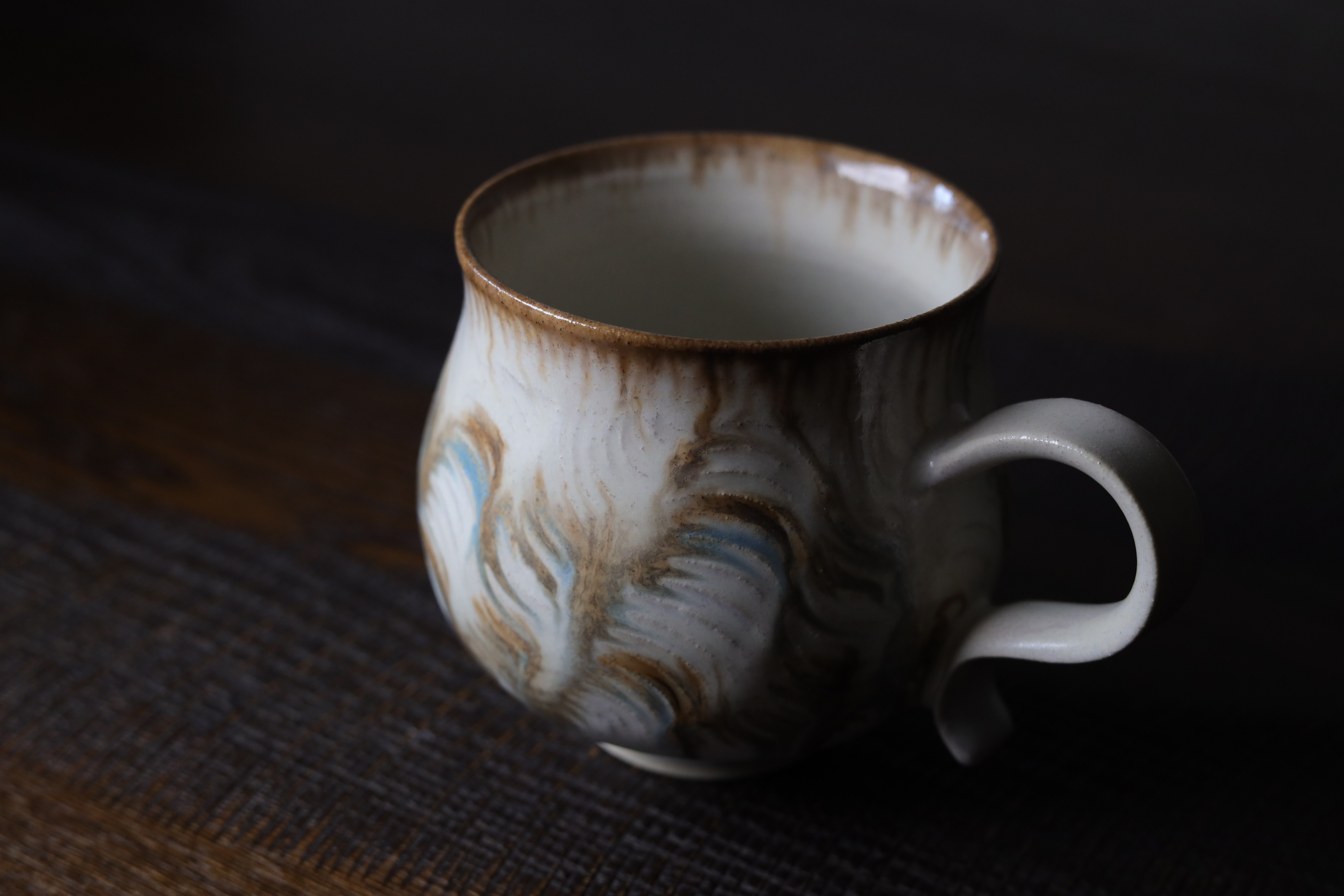
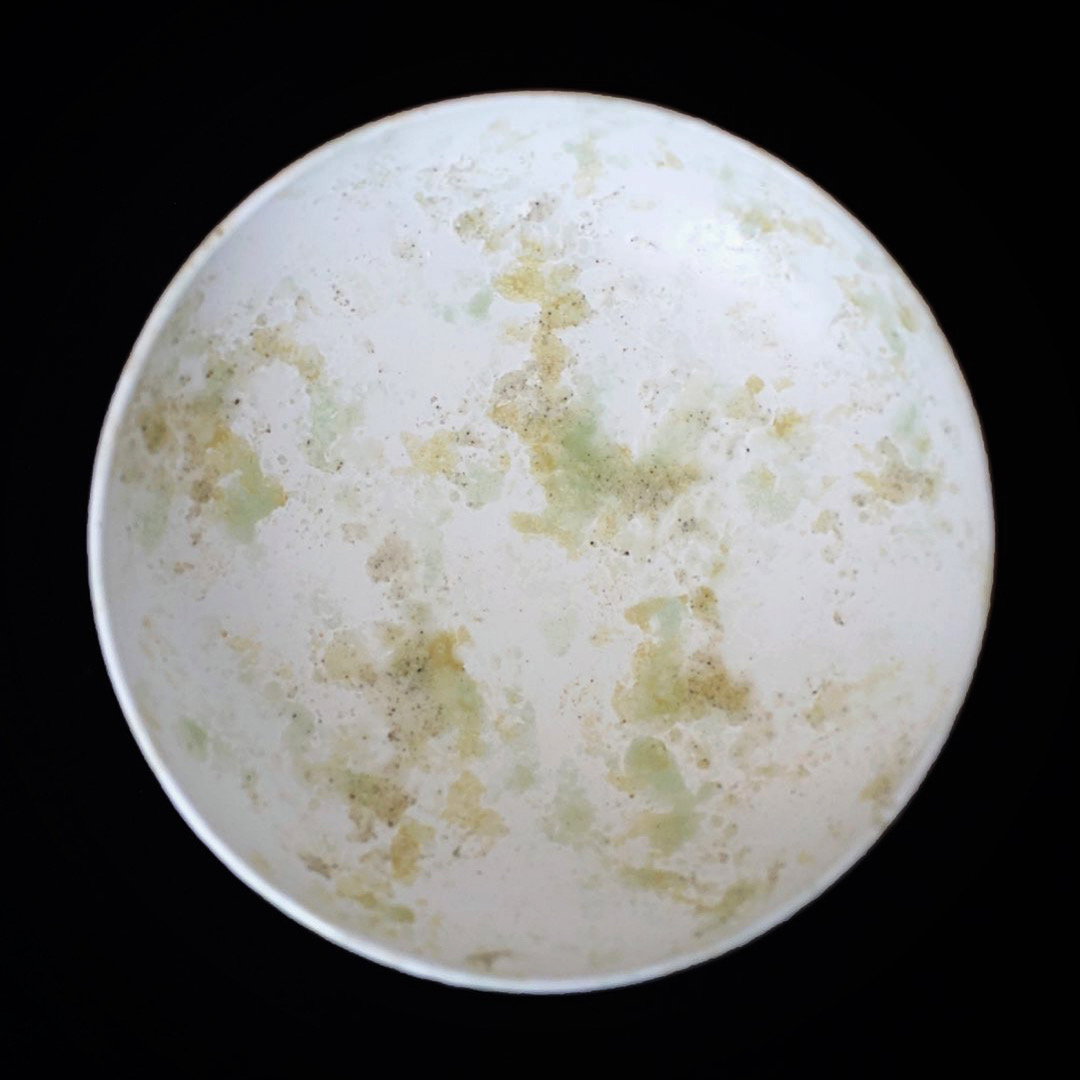
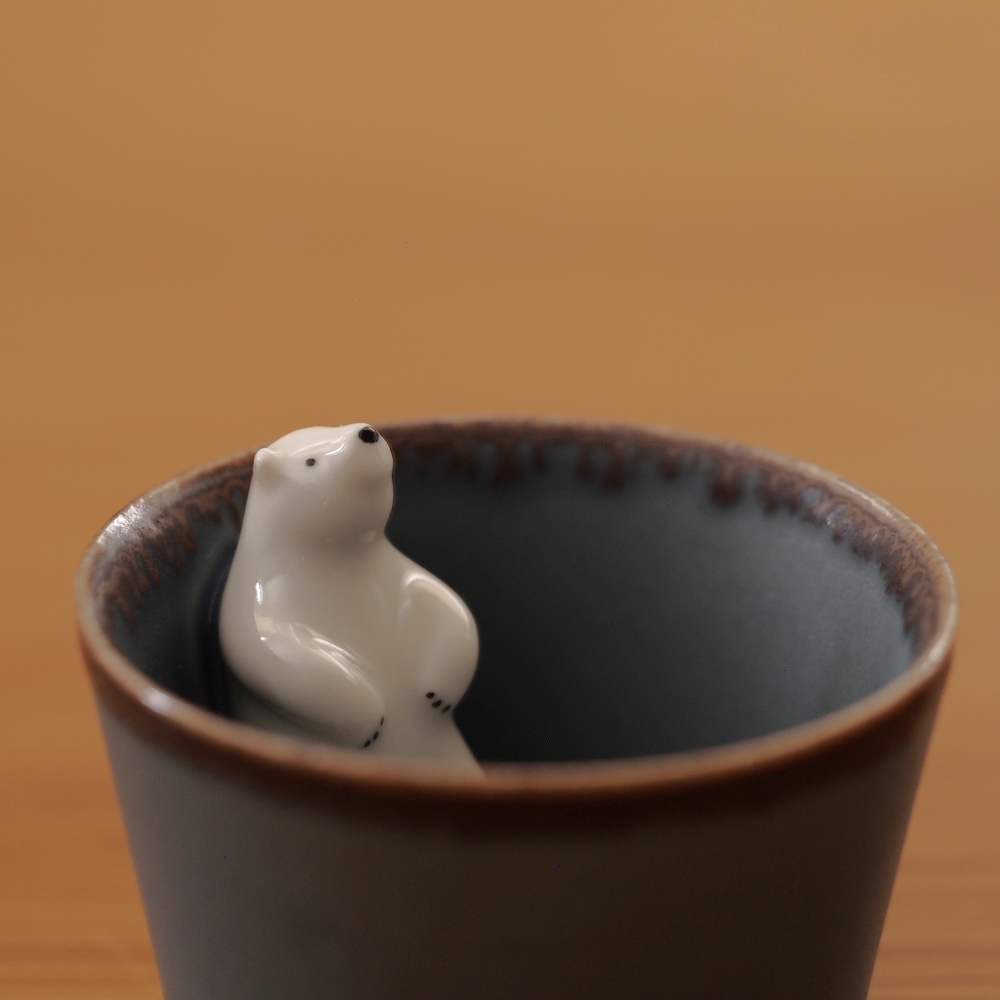
What sits here is the work of makers based in Kyoto. Porcelain so thin and light it seems to have come off the palm. Plates painted by a craftsman who still works at a Kiyomizu kiln. Crazing shown through the glaze like cracked ice. Shigaraki clay carried into Kyoto and layered under five or more glazes. Cups in a cream glaze edged with dark brown or blue. Kyoto has drawn people and techniques from every region for a thousand years, which is why each maker starts from somewhere different.
Kyo-yaki and Kiyomizu-yaki do not name a particular clay or glaze. They are collective names for pottery fired in Kyoto, which is exactly why the range is so wide. Painting in cobalt under the glaze is sometsuke, and the gosu pigment only turns blue inside the kiln. The ring your finger finds underneath is the kodai, the one place the bare clay shows. For the history, read Kyo-yaki and Kiyomizu-yaki.
Pickup Items

Mugs
Ash-Blue Glaze Coffee Cup — Kyoto
$1,350.00

Plates
Blue-White Porcelain Foliate Arabesque Plate, Small
$881.00

Bowls
Makai Rice Bowl, 4.5-sun No.1 — Okinawa
$1,094.00

Mugs
Ice-Crackle Coffee Cup, Large — Jellyfish Lilac
$1,334.00

Plates
Foliate Oval Plate, Brown No.1
$1,121.00

Plates
The Mist of Night Plate, Medium — Kyoto No.1
$1,067.00

Sake ware
The Mist of Night Guinomi Sake Cup — Kyoto
$961.00

Sake ware
Walk to the Moon Guinomi Sake Cup — Kyoto
$961.00
Plates
Blue-White Porcelain Foliate Arabesque Plate, Small
$881.00
Plates
Foliate Oval Plate, Brown No.1
$1,121.00
Plates
The Mist of Night Plate, Medium — Kyoto No.1
$1,067.00

Plates
The Mist of Night Small Plate — Kyoto
$667.00

Plates
Walk to the Moon Small Plate — Kyoto
$667.00

Plates
Bronze Glaze Foliate Arabesque Mamezara Tiny Plate
$822.00

Plates
Sometsuke Floral Foliate Rim Small Plate
$881.00

Plates
White Rim Plate No.2 — dango
$793.00
Bowls
Makai Rice Bowl, 4.5-sun No.1 — Okinawa
$1,094.00

Bowls
Soup Bowl SS, Manganese No.1 — Okinawa
$881.00

Bowls
Soup Bowl SS, Manganese No.2 — Okinawa
$881.00

Bowls
Shallow Rim Bowl, Manganese — Okinawa
$1,908.00

Bowls
Shallow Rim Bowl, White — Okinawa
$1,908.00

Bowls
Footed Bowl, Small, Manganese — Okinawa
$1,321.00

Bowls
Footed Bowl, Small, White No.1 — Okinawa
$1,321.00

Bowls
Footed Bowl, Small, White No.2 — Okinawa
$1,321.00
Mugs
Ash-Blue Glaze Coffee Cup — Kyoto
$1,350.00
Mugs
Ice-Crackle Coffee Cup, Large — Jellyfish Lilac
$1,334.00

Mugs
Brown Free Cup — dango
$734.00

Mugs
Straight Goblet, Manganese No.1 — Okinawa
$1,761.00

Mugs
Line-Carved Ao Mug, Blue — Okinawa
$1,321.00

Mugs
Cup & Saucer, Goya No.1 — Okinawa
$1,321.00

Mugs
Cup & Saucer, Goya No.2 — Okinawa
$1,321.00

Mugs
Cup & Saucer, Shikwasa — Okinawa
$1,321.00

Related Articles
All Articles-

TATA pottery studio | The Charming Kyoto Porcelain Two People Make Together
-

Arita vs Hasami Porcelain: Why the Same White Porcelain Took Two Paths
-

Arita Pottery Fair: The Usual Dates, and How to Miss the Million-Person Crowd
-

Kyoto Pottery: Where to Buy Ceramics in Kyoto
-

Iga Pottery Festival 2026: 30 Booths, and the Home of the Donabe
-

Koishiwara Folk Pottery Village Festival 2026: Free Shuttle and Traffic


