
Metallic Glaze: A Metal Sheen Made Without Metal

Metallic glaze is the umbrella term for glazes that fire to a surface with the sheen of bronze or iron. Depending on the artisan, it goes by many names: bronze glaze, manganese glaze, metallic glaze.
It looks like metal itself, but no actual metal is used. A glaze rich in metallic elements such as iron, manganese and copper melts in the kiln and, as it cools, grows fine crystals on its surface. Those crystals reflect the light, and that is what makes it look like metal.
Pick it up and it has the weight and warmth of pottery, and it feels like clay or porcelain against your lips. It looks like metal and feels like fired clay. That gap is what makes metallic-glazed pottery so interesting.
A gold or silver shine on a piece does not always mean metallic glaze. There is also kinsai and ginsai, where real gold or silver is fired onto the surface. The best clue for telling them apart is the quality of the shine. Metallic glaze has a dull, deep glow; kinsai and ginsai shine strongly, like a mirror.
Metallic glaze, kinsai, ginsai and sabiyu
Pottery that looks like metal sorts out like this by how it is made.
| Name | What makes it shine | Microwave |
|---|---|---|
| Metallic glaze | A glaze rich in iron, manganese and copper grows crystals on its surface | Usually fine. Check the artisan's notes |
| Kinsai | Real gold is fired on top of the finished glaze | Not safe. It sparks |
| Ginsai | Real silver is fired on top of the finished glaze | Not safe. It sparks |
| Sabiyu | An iron-rich glaze fires to a brown like rusted iron | Usually fine |
Sabiyu and metallic glaze are close relatives. Both are rich in iron, but in sabiyu the color is the point and the sheen stays low, while in metallic glaze the way the surface crystals reflect light is the point.
Why a glaze can shine like metal
An ordinary glaze melts in the kiln and sets as clear or translucent glass. In a metallic glaze there is more iron, manganese and copper than the melted glaze can hold, so as it cools, it can no longer keep them dissolved in the glass, and they come out on the surface as fine crystals.
These crystal grains reflect light in one direction. That gives the dull glow peculiar to metal, shining at one angle and sinking at another.
- Bronze glaze Contains copper and manganese and shines a brownish gold like bronze. In some pieces the crystals visibly glint
- Manganese glaze Rich in manganese, with a calm, dull glow from black to the color of iron
- Iron-based metallic glaze Rich in iron, and depending on the firing it can swing to black, brown or silver
Even with the same glaze, where a piece sat in the kiln, how the heat rose and how it cooled change the way the crystals form. Some lean toward bronze, others sink close to black. That is why every metallic-glazed piece is different.

Paired with pattern, the light moves
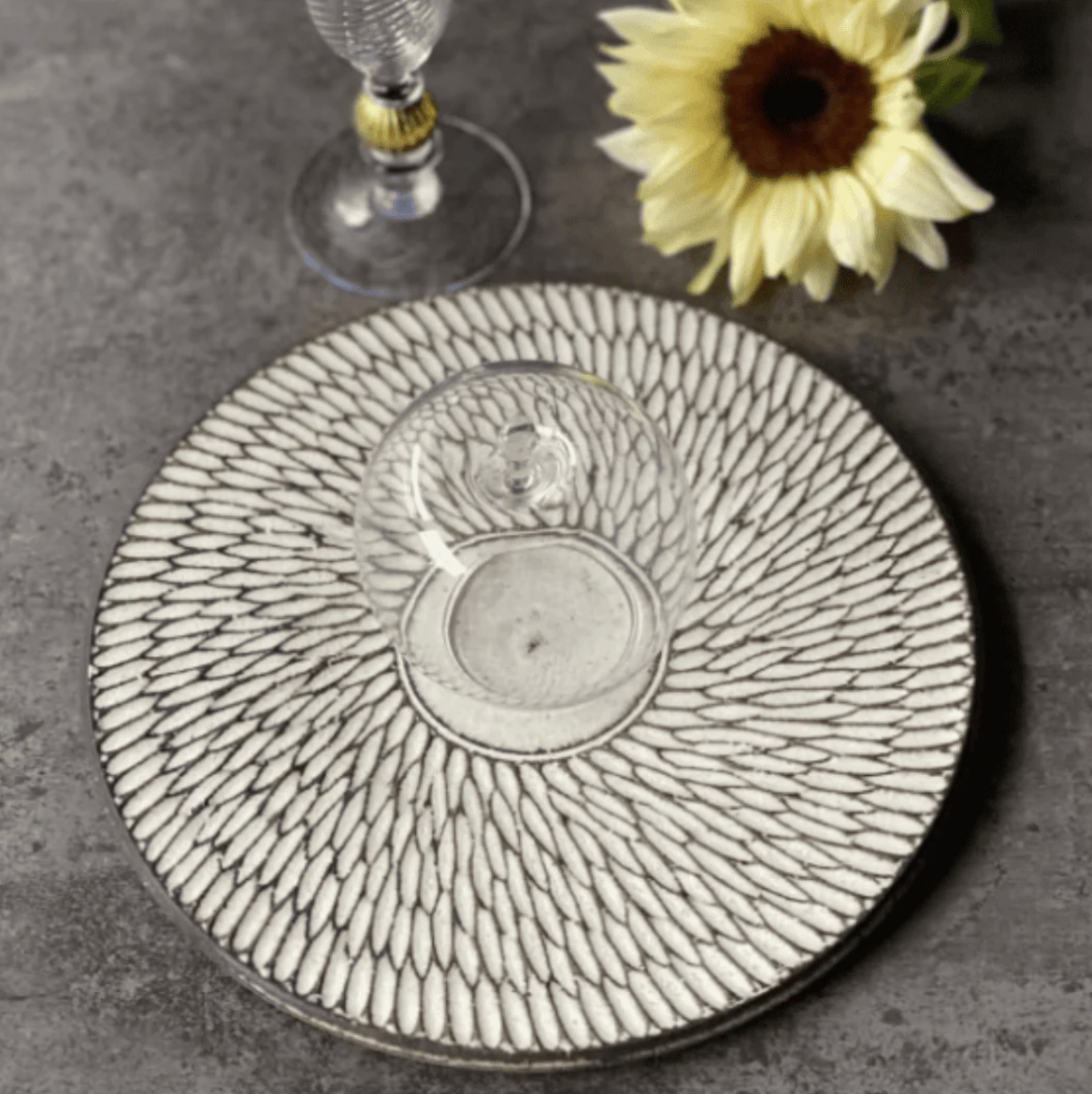
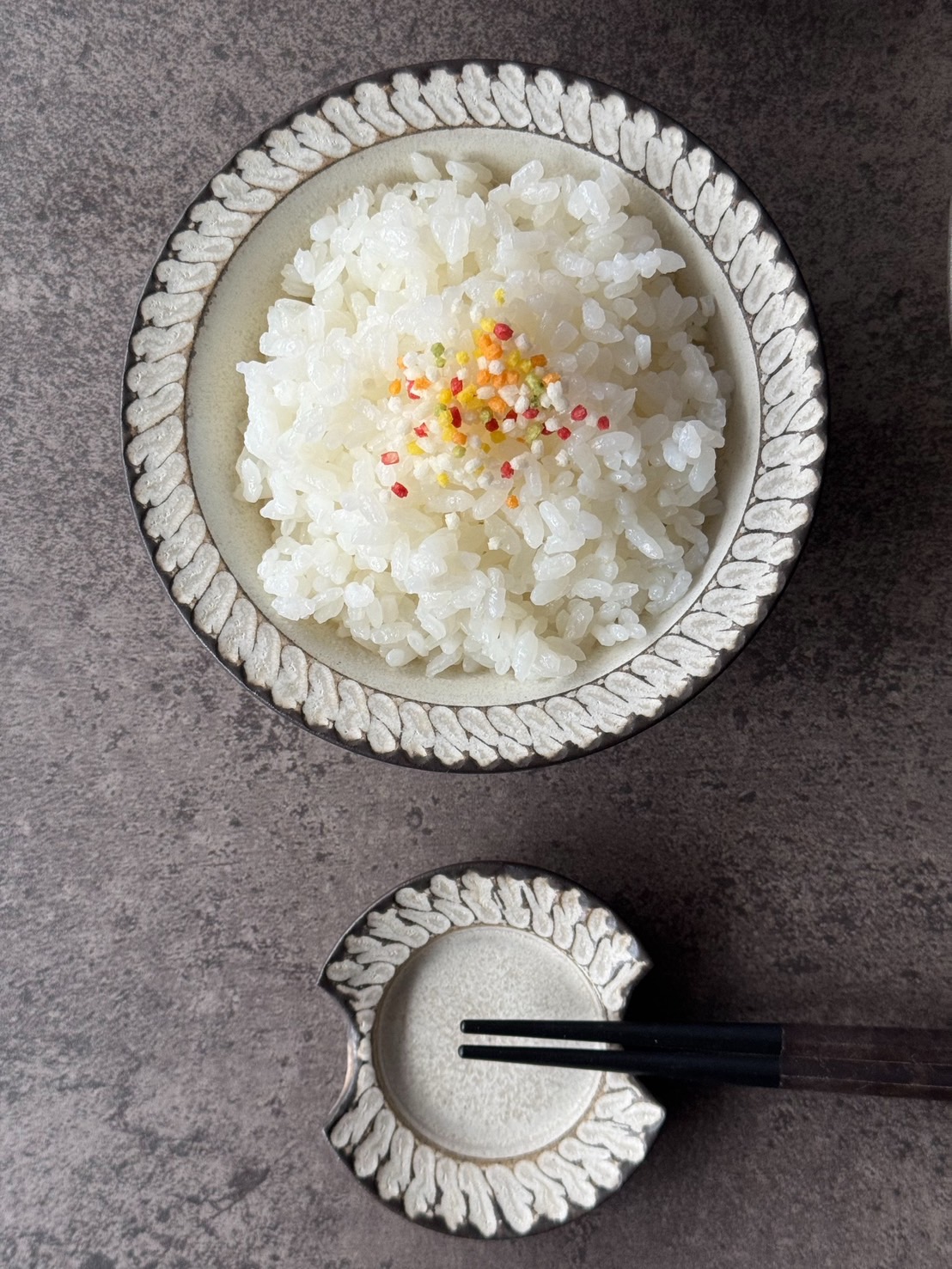
Metallic glaze suits pieces with a raised or textured surface. During firing the glaze flows toward low places, so it is darker where it pools and thinner where the surface rises. Over a relief or a line pattern, only the raised parts shine and the hollows sink into shadow.
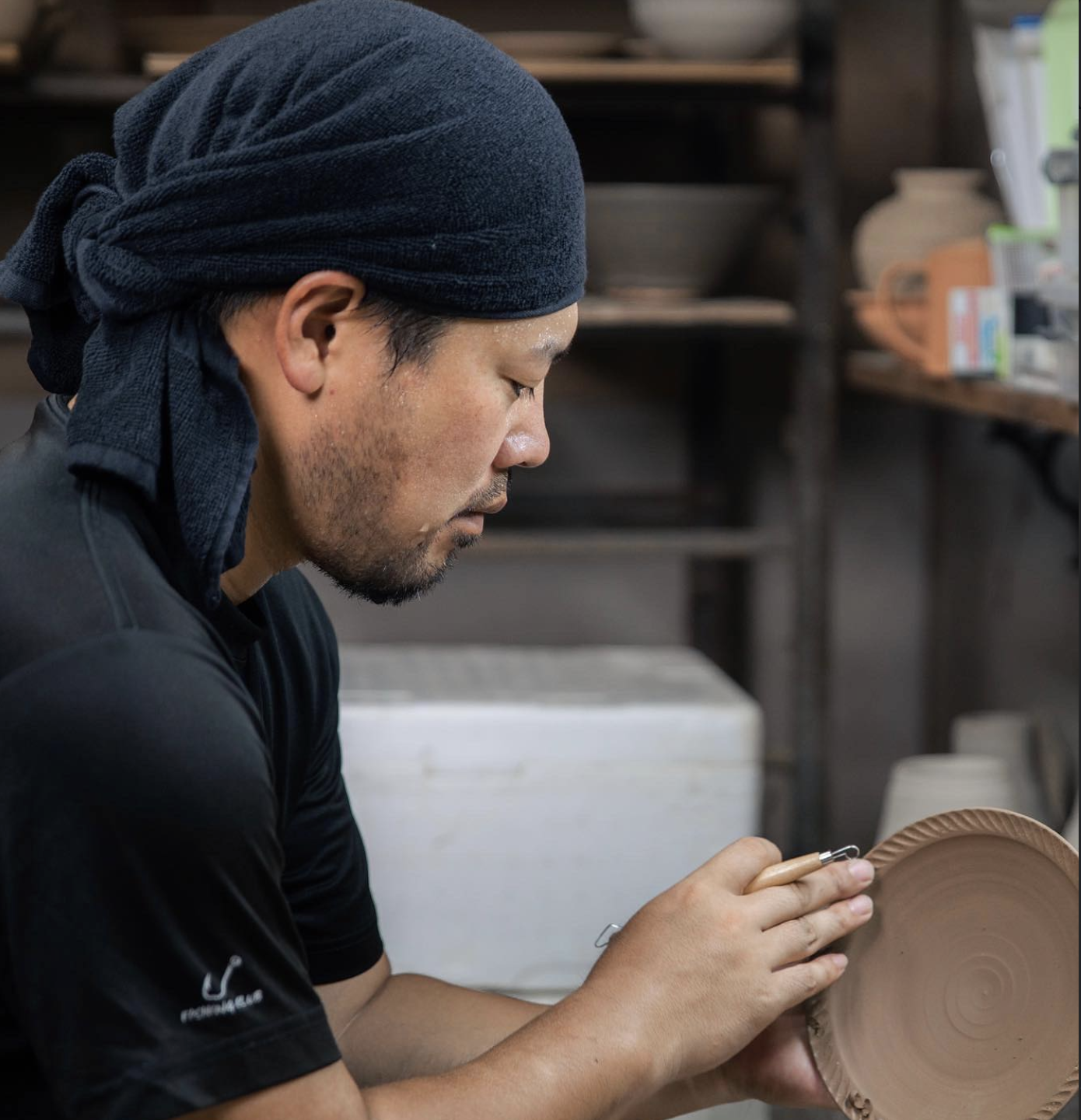
Maeda Asami in Kyoto builds up floral patterns on white porcelain with icchin slip trailing and relief carving, then covers them with bronze glaze. Kawasumi Tomokazu in Kasama pairs an original metallic glaze with surfaces carved like tree rings and with shapes that look like industrial parts. The same "glaze that looks like metal" takes on an entirely different face depending on the form beneath it.
Using metallic-glazed pottery
The surface of a metallic glaze is a glassy layer of melted and hardened glaze. It does not rust, and the color does not wash off. What needs care in daily use is the texture of the surface.
- Cutlery marks On a matte surface, metal knives and forks can leave gray lines. A gentle cleanser usually lightens them
- Microwave and dishwasher There is no metal in it, so it does not spark the way kinsai does. Some artisans still advise against using them, so check the product page
- No steel wool It dulls the sheen of the crystals
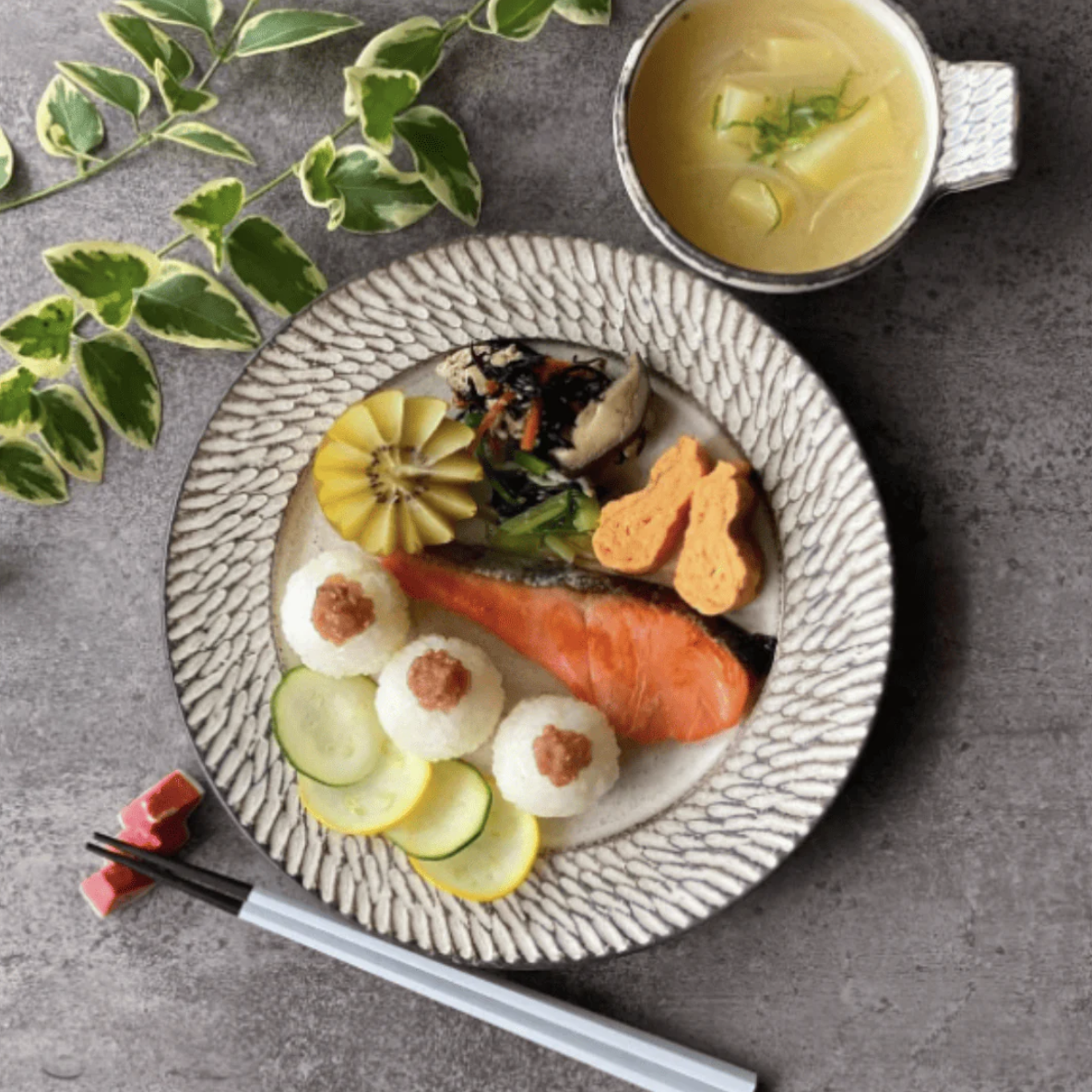
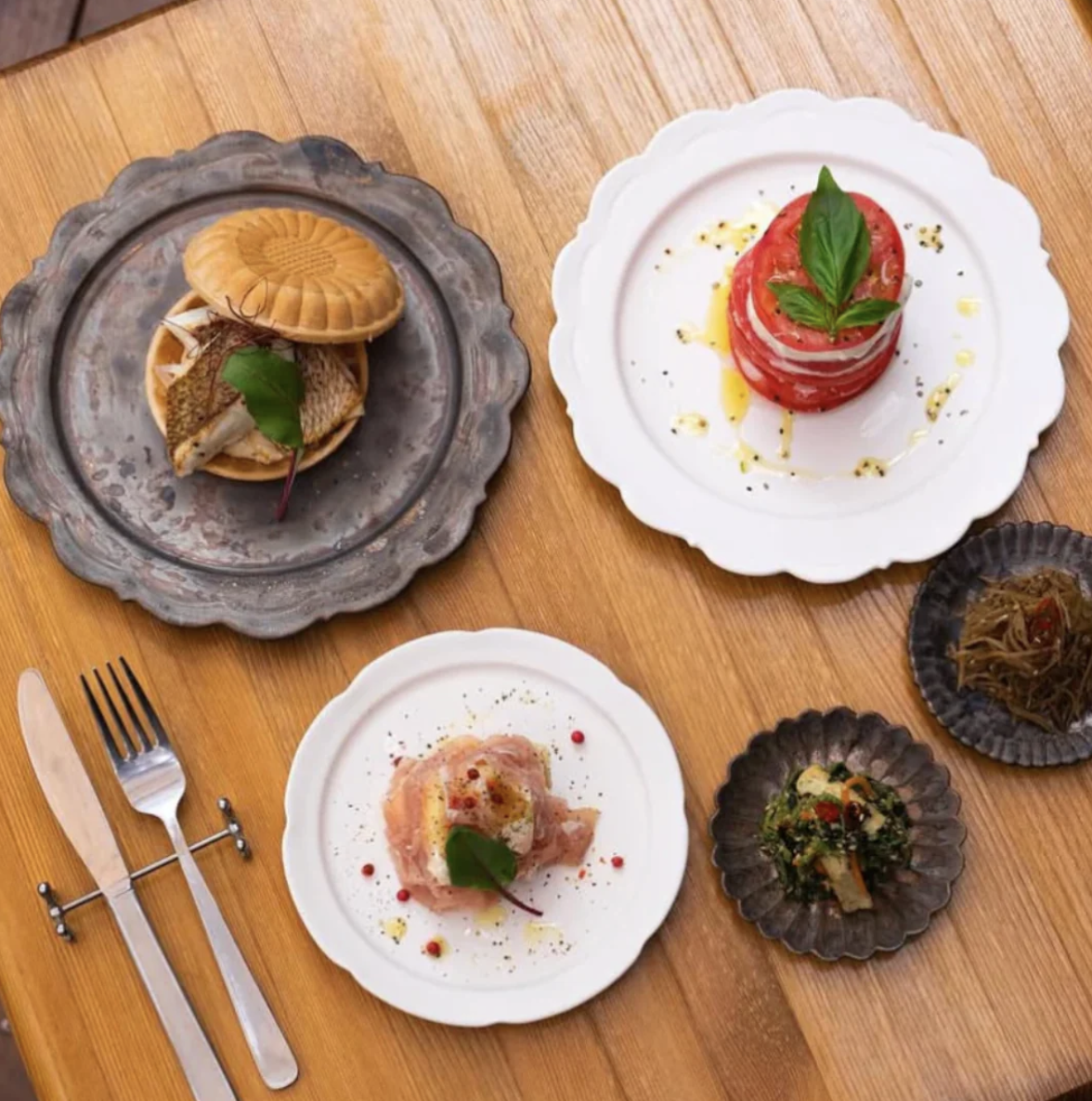
White and light-colored food looks especially good on a dark metallic glaze: white fish, tofu, eggs, a creamy pasta. Metallic glaze has an antique feel while coming entirely from natural materials, so we hope you will hold a piece in your own hands.
Related articles and terms
Pottery that shines like metal
- Kinsai: Gold Fired Over the Glaze in Japanese Ceramics
- Ginsai: Silver Fired onto Pottery, Darkening With Time
- Sabiyu Rust Glaze: Iron Brown Like Weathered Metal
- Japanese Pottery Glazes: The Main Types Explained
- Hikidashi-guro: Pulled Red-Hot From the Kiln, Turned Black
Artisans who work in metallic glaze
- Artisan Kawasumi Tomokazu | The Look of Time in Kasama Clay
- Artisan Maeda Asami | Japanese Porcelain Patterned in Relief, Not Paint
Shop
- Kawasumi Tomokazu
- Maeda Asami | Bronze & Ash-Blue Glazed Porcelain, Kyoto
- Black Japanese Tableware | Iron Glaze, Matte & Gold
Hold pottery that looks like metal
What makes metallic glaze worth a closer look is how its face changes with the angle of the light. A piece that looks like a single color in a photo shows, once you tilt it in your hands, that only the peaks of the pattern shine while the valleys sink. Kawasumi Tomokazu in Kasama uses an original metallic glaze to make pottery that looks as if time has passed over it.
See Kawasumi TomokazuFAQ
What is the difference between metallic glaze and kinsai or ginsai?
Can metallic-glazed pottery go in the microwave?
Does metallic glaze rust or lose its color?
Shop the related pieces
Kawasumi Tomokazu
14 pieces See all


Maeda Asami
16 pieces See all


New to Japanese pottery? Start here — its history, how pottery differs from porcelain, the clays and glazes behind each style, and how to care for a piece. → Japanese Pottery: The Complete Guide