
Kasama Himatsuri 2027 | Kasama's Golden Week Pottery Fair: Dates, Parking, Shuttles and Avoiding the Crowds

The Kasama Himatsuri Pottery Festival is the biggest pottery fair in Kasama, held every year from April 29 to May 5 in the Event Plaza of Kasama Geijutsu no Mori Park in Kasama, Ibaraki Prefecture. It runs from 9am to 5pm, and more than 200 Kasama ware artisans and shops take part.
The 45th festival in 2026 drew about 80,000 visitors, even though many days had bad weather (according to the organizer, the Kasama Ware Cooperative). Because it falls in the middle of Golden Week, it is a festival where your day is decided by "where to park" and "what time to arrive" before you even see the pottery.
This article focuses on the Himatsuri itself: dates, admission, parking, shuttle buses, crowds and how to get around. For the pottery region itself, see our article on Kasama ware.
The dates for 2027 (the 46th festival) had not been officially announced as of November 2026. The dates in this article are the regular dates the festival has kept since 2000, and the parking, bus and admission details are from the 2026 official website. They change a little every year, so please check the official website and Kasama City's information before you go.
Kasama Himatsuri 2027 dates (the regular dates)
| Item | Details |
|---|---|
| Dates | Usually 7 days, April 29 to May 5. If the usual dates hold, 2027 runs from Thursday, April 29 (holiday) to Wednesday, May 5 (holiday) |
| Hours | 9am to 5pm (2026) |
| Venue | Event Plaza, Kasama Geijutsu no Mori Park (2345 Kasama, Kasama, Ibaraki) |
| Admission | 500 yen per day. Free for those 18 and under (up to high school) and for holders of a disability certificate (including one companion) (2026) |
| Booths | More than 200 (212 in 2025) |
| Organizer | Kasama Ware Cooperative (0296-73-0058) |
Since the 19th festival in 2000, the Himatsuri has been held for seven days every year, from April 29 to May 5. Apart from 2020, when it was canceled because of the pandemic, these dates have not moved in 25 years.
If the usual dates hold, April 30 (Friday) will be the only weekday during the 2027 festival. May 1 and 2 fall on a weekend, and May 3 to 5 are public holidays. That is one weekday fewer than in 2026, which had two (April 30 and May 1), so it will be harder to pick a quiet day.
What time does the Himatsuri open? Admission and re-entry
The gates open at 9am and close at 5pm. The shuttle buses from the parking lots also start running around 9am.
Admission is 500 yen a day, and in 2026 you could pay in cash or with PayPay or AEON Pay. The receipt or wristband you receive at the entrance gate is your re-entry pass for the day. You will need it if you go back to your car to drop off your shopping, so do not lose it.
Kasama's spring fair, with 200 artisans
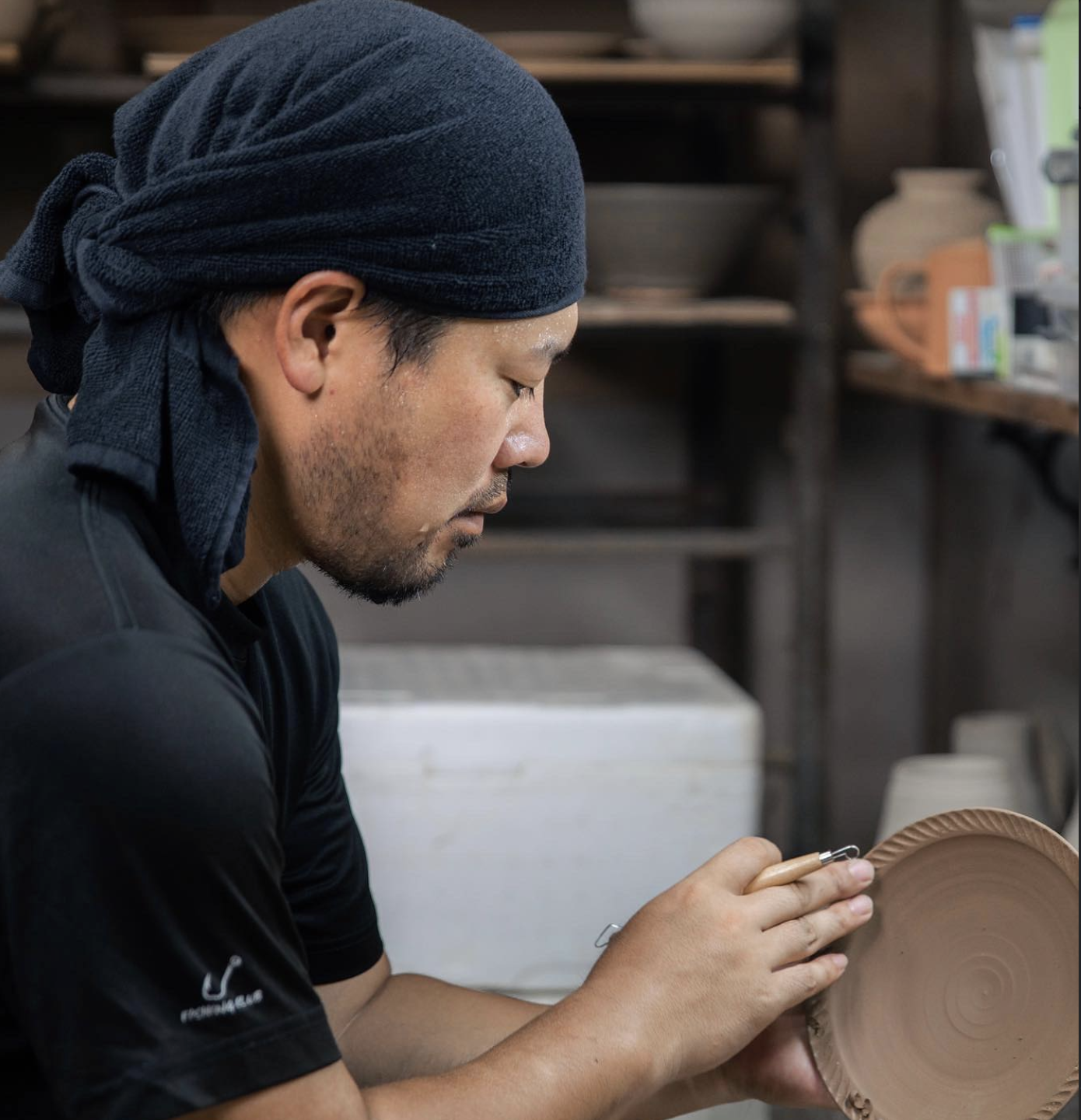
The Himatsuri began in 1982 on an empty lot in Kasama Geijutsu-mura, when 36 kilns gathered around a handmade open-fire kiln and sold their pottery and food. The format of a fair where artisans sell their own work became popular, and it grew to the size it is today. The artisans still set up and run the venue themselves.
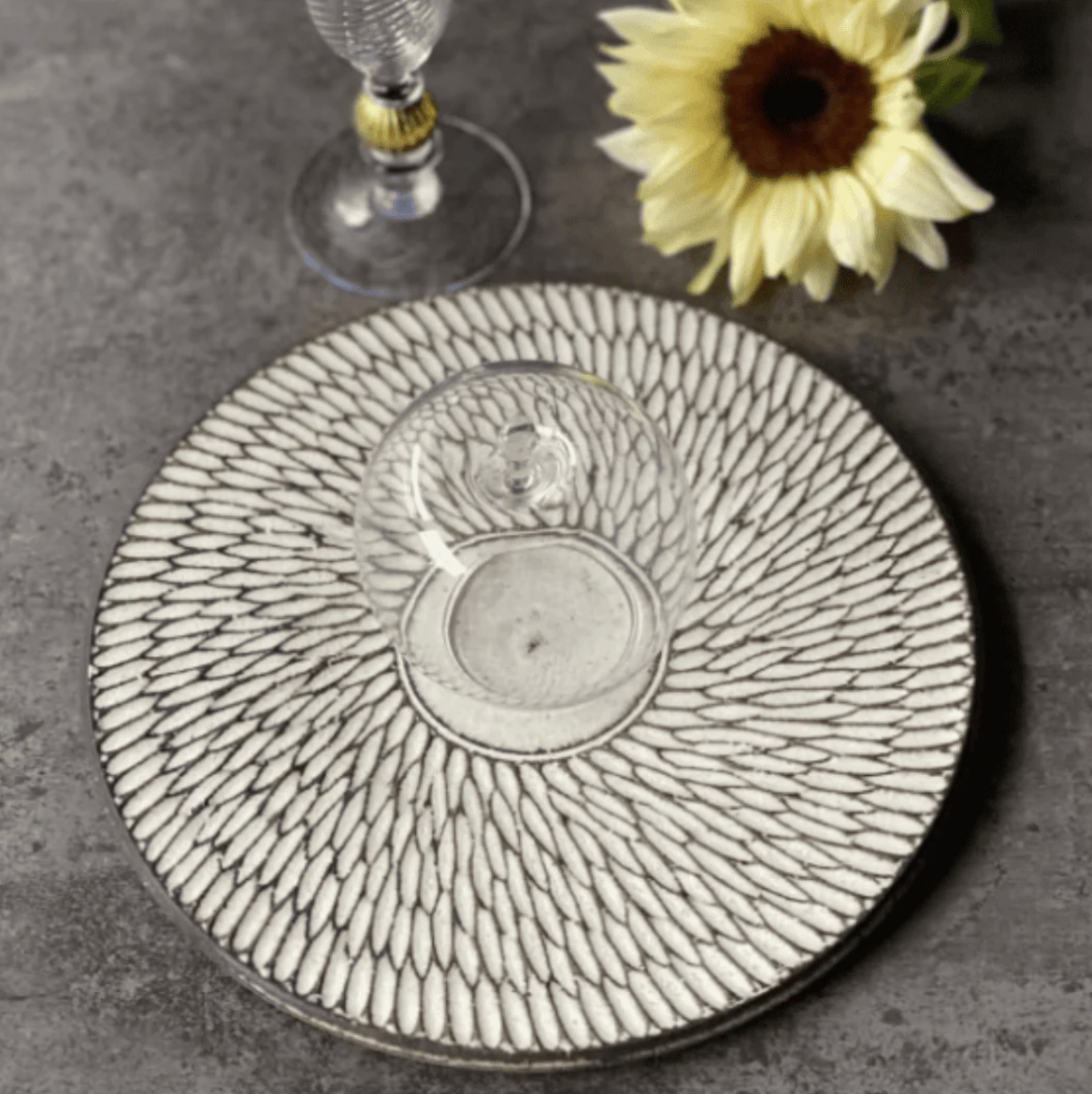
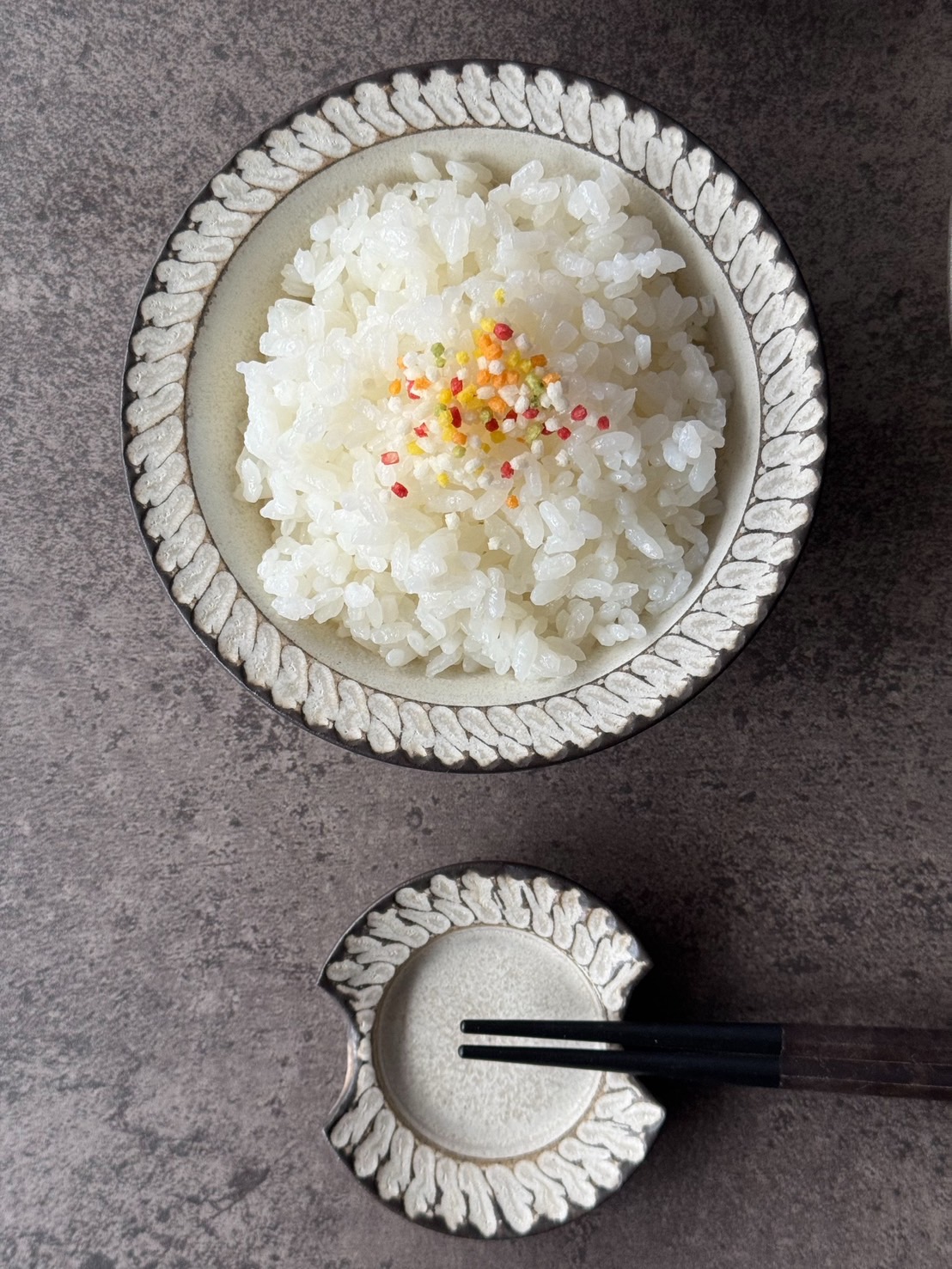
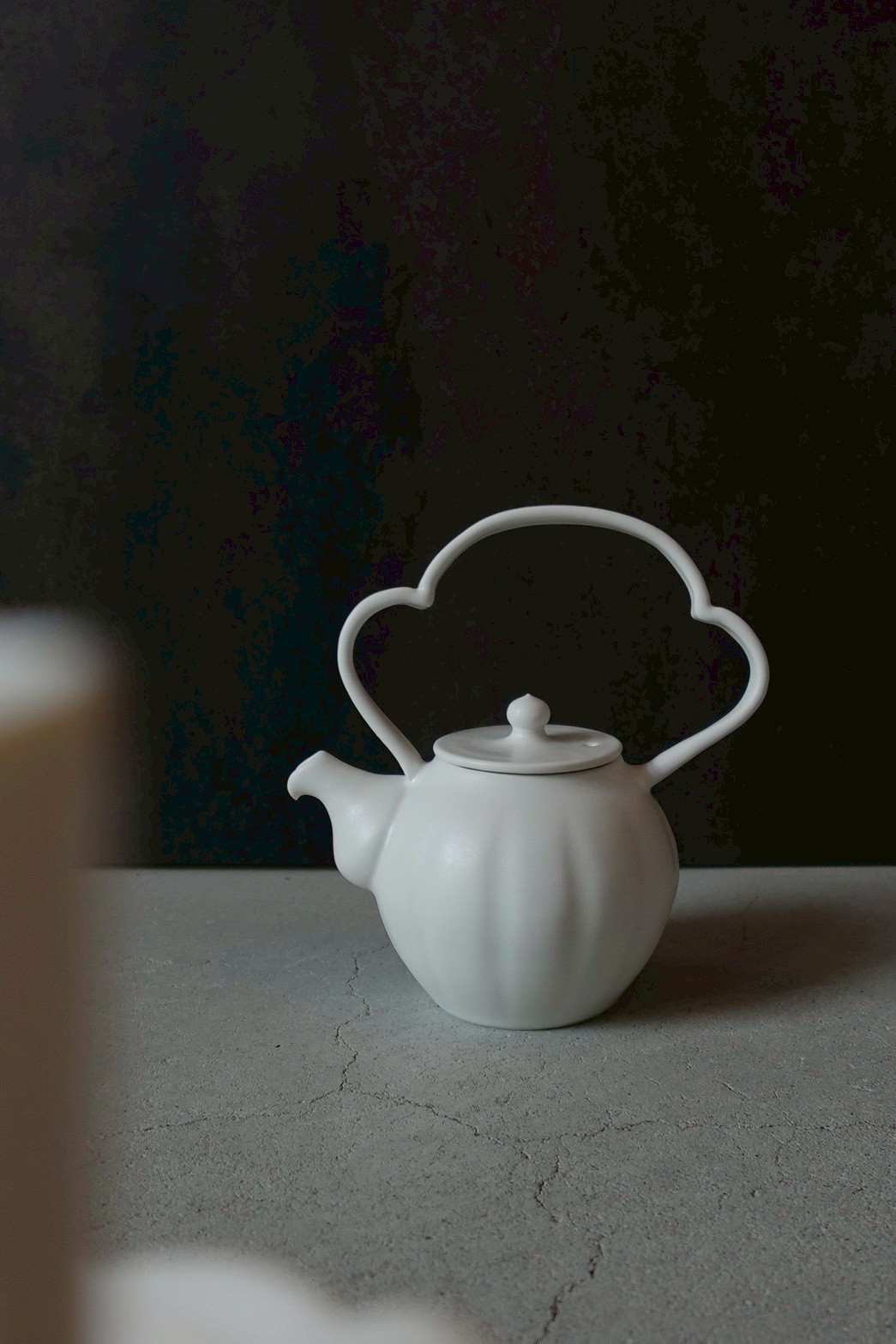
You will find everything from small guinomi sake cups to large jars. Kasama has no fixed style, so kohiki, yakishime and colorful glazed pottery all sit along the same row. Most of the people standing in the booths made the work themselves. You can find each booth on the venue map on the official website (usually published around April 20).
In 2026 there was a "1,000 Guinomi Exhibition" of sake cups and sake ware chosen by the artisans, a "Take Your Pick Teacup Exhibition," and a display by kilns from Yingge in Taiwan, a town with ties to Kasama ware. The clay masks made by local sixth graders are on show every year, too. The long-running nodate, where you chose a matcha bowl and had tea from it, was held for the last time in 2026.
There is also a food corner run by potters, so you can have lunch at the venue. On weekends and holidays, a Kids Land opens with wheel-throwing and clay play, and there is a nursing room and a diaper-changing room.
Getting to the Himatsuri: trains and temporary shuttle buses
By train, get off at Tomobe Station on the JR Joban Line or Kasama Station on the JR Mito Line. If you are coming from Tokyo, Tomobe Station is more convenient because you do not need to change to the Mito Line. During the festival, temporary buses run between the stations, the temporary parking lots and the venue.
| Temporary bus | Route (2026) |
|---|---|
| JR Tomobe Station North Exit | Direct between Tomobe Station North Exit and the venue. Departures from Tomobe Station 8:50 to 15:00 |
| Large temporary parking lot | Between the Ibaraki Prefectural Education and Training Center and the venue. Departures from the center 8:30 to 15:30 |
| Pole Pole and City Gymnasium | Loops through the city's free parking lots to the venue |
| Tsutsuji Park and Inari Shrine | Loops through Kasama Inari Shrine and Tsutsuji Park to the venue |
All four routes ran about every 30 minutes, and a one-way fare was 100 yen for adults (junior high school age and up), 50 yen for elementary school children, and free for preschoolers. The last bus to Tomobe Station leaves the venue at 17:10.
On the regular Ibaraki Kotsu bus line, the "Geijutsu no Mori Koen" stop is closed during the festival. Get off at the stop before it, "Owada," and it is about a 20-minute walk to the North Gate. You can also rent electric bicycles at the tourist information center in front of Kasama Station.
From Tokyo, you can also take the "Kanto Yakimono Liner" highway bus. In 2026, extra Golden Week services ran from April 29 to May 6. For the 2027 timetable, check Ibaraki Kotsu's announcement.
Himatsuri parking: paid lots in the park, free lots farther away
Parking is the hardest part of the Kasama pottery fair. During the festival there are two kinds: paid lots inside the park and free temporary lots around the city.
| Type | Where (2026) | To the venue |
|---|---|---|
| In the park (paid) | The North, South and East lots of Geijutsu no Mori Park, the Craft Hills West lot and others. 500 yen per entry for a regular car | A short walk. These fill up first |
| Large temporary lot (free) | Ibaraki Prefectural Education and Training Center. About 750 spaces | Shuttle bus (100 yen one way) |
| Temporary lots in the city (free) | City Gymnasium, Pole Pole, Kasama elementary and junior high schools, Inari Shrine, Tsutsuji Park and others | Loop bus (100 yen one way) |
The large temporary lot cannot be used on some weekdays. In 2026 it was closed on the weekdays of April 30 and May 1, and the school lots were also unavailable on weekdays. If the usual dates hold, the day to watch in 2027 is the weekday of April 30 (Friday).
- For a sure space, use the large temporary lot It has the most spaces, and the shuttle bus takes you right to the entrance
- If you want a lot in the park, arrive before opening After 9am, lines of cars start forming before the lots
- Plan your return on the night festival day On the evening of May 3, buses back to the temporary lots end at the usual time (see below)
- Tour buses and motorcycles Tour buses can use only the park's North and East lots. Motorcycles can park free in the dedicated area beside the East lot
How to avoid the Himatsuri crowds and traffic
Every year, Kasama City predicts where traffic will build up in the city during Golden Week and announces it. In 2026 it named these three places.
- National Route 355 from around Tomobe IC to Michi-no-Eki Kasama Cars coming off the Kita-Kanto Expressway converge here
- Michi-no-Eki Kasama to the Nishitegoe traffic light (the entrance to Geijutsu no Mori Park) The stretch just before the venue
- Around Geijutsu no Mori Park, the shrine approach of Kasama Inari Shrine and Tsutsuji Park The festival overlaps with the azalea festival
The organizer also says that "roads around the venue are expected to be congested," and asks visitors to use trains, the shuttle buses and the large parking lot a little away from the venue. Leaving the expressway at Tomobe IC and driving right up to the venue is the way to get most stuck.
| Guide | Busy | Quieter |
|---|---|---|
| Day | Weekends and the May 3 to 5 holidays | The weekday (April 30 in 2027), and the first day |
| Time | 10am to 2pm | Around the 9am opening, and after 3pm |
| Route | National Route 355 from Tomobe IC to the venue | Train plus the Tomobe Station shuttle |
The table above is a guide based on the city's traffic forecast and the organizer's information. What is certain is that the people who arrive by 9am have the easiest day. The morning is when there is the most pottery and the most free parking.
May 3 is the night festival
On one day of the festival, the venue stays lively into the evening. In 2026, a "night festival" concert was held on the central stage from 6pm on May 3.
On that day, four extra evening buses run to Tomobe Station, but buses back to the temporary parking lots are not increased and end at the usual time. If you are staying for the night festival, come by train or use a parking lot inside the park.
Combining the Himatsuri with the Mashiko pottery fair
In the neighboring town of Mashiko, in Tochigi Prefecture, the spring pottery fair is held over the same Golden Week. In 2026 Mashiko ran from April 29 to May 6, almost exactly overlapping with the Himatsuri. In 2020 the two pottery regions were recognized together as a Japan Heritage under the name "Kasamashiko."
In 2026, the "Kasamashiko temporary bus" ran directly between the two venues.
| Item | Himatsuri to Mashiko | Mashiko to Himatsuri |
|---|---|---|
| Stop | East Gate of the Himatsuri venue | Mashiko Town West No. 1 Parking Lot |
| Departures (2026) | 9:30 / 12:10 / 14:30 | 10:40 / 13:20 / 15:40 |
The fare was 500 yen for adults and 250 yen for children, cash only. Every service was a reserved, direct bus, and you could not get off on the way. It ran on April 29 and May 2 to 5, and not on weekdays. For 2027, wait for Ibaraki Kotsu's announcement.
- Both in one day: Kasama first See the Himatsuri from 9am and take the 12:10 bus to Mashiko. Mashiko's fair spreads across the whole town, so you can use the entire afternoon there
- Over two days: stay in Kasama or Mashiko Both fairs are quietest in the morning. Staying where you can be first in on the second morning makes it easy
- If you are driving The venues are about 30 minutes apart by car, but both are congested during the fairs. Another option is to leave the car in one temporary lot and go back and forth on the temporary bus
Mashiko's parking and shuttles are in our article on the Mashiko Pottery Fair, and the difference between the two wares is explained in Mashiko vs Kasama pottery.
How to get around the Kasama Himatsuri 2027
- (1) Arrive for the 9am opening Parking and pottery are both surest in the morning. By train, the first shuttle leaves Tomobe Station at 8:50.
- (2) Keep the venue map at hand More than 200 booths line up. Save the map, usually published around April 20, on your phone and you can go straight to the artisans you want to see.
- (3) Walk around once first, and note the names of artisans you like Kasama has no single style, so seeing everything before you choose means fewer regrets. If you keep their names, you can find them again after the festival.
- (4) Leave heavy pieces until last Buy large bowls and jars just before you leave and you will not have to carry them around. With your re-entry wristband, you can also take them back to the car.
- (5) Lunch at the venue, then Kasama town in the afternoon Kasama Inari Shrine and Tsutsuji Park are easy to reach on the temporary buses.
What to bring to the Himatsuri
- Comfortable shoes The venue has grass and stone paving, and some places are hard to walk on. The organizer recommends sneakers.
- Rain protection Even after a sunny morning, a shower can come in the afternoon. If it rains, wear boots or bring a change of shoes you do not mind getting dirty.
- Cash Some booths may not take cards or electronic payment. Having cash for the bus fare is also a good idea.
- Newspaper or a towel, and a sturdy bag Wrapping may be simple. Having something to wrap your pottery in takes the worry out of the trip home.
The venue is non-smoking, and you cannot put up tents or tarps or use fire anywhere in the park. Drivers are also asked not to drink alcohol.
Other Golden Week pottery fairs are listed in the Pottery Fair Calendar. In autumn, Kasama has Tou to Kurashi and Kasama Roman, each at a different venue. General tips for pottery fairs are in How to Visit a Japanese Pottery Fair.
Related reading
Kasama and Mashiko
- Kasama Ware: Japan's Most Free-Spirited Pottery Town
- Mashiko vs Kasama Pottery: How Two Neighbouring Kiln Towns Grew Apart
- Mashiko Pottery: Where Japanese Folk Craft Still Lives
- Mashiko Pottery Fair: Getting There from Tokyo, Parking and Crowds
Kasama's autumn fairs
- Tou to Kurashi 2026 | Kasama Craft Hills, October 31 to November 3: Four Autumn Days with Mashiko
- Kasama Roman 2026 | Three Days of Food and Craft, Not Himatsuri
Before you go to a pottery fair
- Japan Pottery Fair Calendar 2026-2027: 90 Dates and Venues
- How to Visit a Japanese Pottery Fair: 9 Regions Compared
- Japanese Pottery: The Complete Guide
Even if you cannot go at Golden Week
The Himatsuri lasts only seven days a year. Even if you cannot get to Kasama on those days, we deliver pottery made one piece at a time by hand by Kasama artisans, directly from where it is made. Each piece carries the artisan's name, so you can trace who made it.
See Kasama wareNew to Japanese pottery? Start here — its history, how pottery differs from porcelain, the clays and glazes behind each style, and how to care for a piece. → Japanese Pottery: The Complete Guide