
Tou to Kurashi 2026 | Kasama Craft Hills, October 31 to November 3: Four Autumn Days with Mashiko

Tou to Kurashi (Pottery and Daily Life) runs for four days, Saturday October 31 to Tuesday November 3 (a national holiday), 2026, at the special venue of Kasama Craft Hills in Kasama, Ibaraki Prefecture. Hours are 9am to 4pm (until 3:30pm on the last day). This is the 14th year.
It is an autumn fair where about 100 artisans, mostly from Kasama, lay out their pottery, new work included. The name comes from a simple wish: that people bring more handmade pottery into their daily lives.
And in 2026, it runs on exactly the same four days as the Mashiko Autumn Pottery Fair in the next town. Kasama and Mashiko are two pottery towns side by side, and you can see both on a single autumn trip.
The dates, venue, number of exhibitors and access in this article come from the official website of the Tou to Kurashi organizing committee (2026). A venue map is also published on the official website. Please check the official website and Instagram for the latest information before you set out.
Dates for 2026
| Item | Detail |
|---|---|
| Dates | Sat October 31 to Tue November 3 (national holiday), 2026 / four days |
| Hours | 9am to 4pm (until 3:30pm on the last day, November 3) |
| Venue | Special venue at Kasama Craft Hills, inside Kasama Geijutsu no Mori Park (2388-1 Kasama, Kasama, Ibaraki) |
| Edition | 14th |
| Exhibitors | About 100 artisans (101 on the 2026 exhibitor list), and more than 30 food stalls |
| Inquiries | Tou to Kurashi organizing committee (by email, at the address on the official website) |
November 3 is Culture Day, a national holiday, and the last day closes 30 minutes early. The fair runs Saturday to Tuesday, so if you can take the Monday off, you can pick the quieter day.
Not the same venue as the spring Himatsuri
When people think of a pottery fair in Kasama, they usually think of Himatsuri, held during Golden Week in spring. Tou to Kurashi is held at a different site from Himatsuri. The official website makes a point of warning about this.
The place to head for is Kasama Craft Hills, inside Kasama Geijutsu no Mori Park. In your car navigation or map app, search for "Kasama Craft Hills."
| Item | Autumn: Tou to Kurashi | Autumn: Kasama Roman |
|---|---|---|
| When | October 31 to November 3 in 2026 | October 10-12 in 2026 (over) |
| Character | A fair where pottery is the star, with artisans showing new work | An event that brings together food and craft |
| Venue | Special venue at Kasama Craft Hills | Kasama Geijutsu no Mori Park |
Kasama has two autumn events. If Kasama Roman in October is about food and craft, Tou to Kurashi in early November is about pottery and the people who make it. If you want to choose pottery in Kasama in autumn, this is the one.
What pottery you will find at Tou to Kurashi
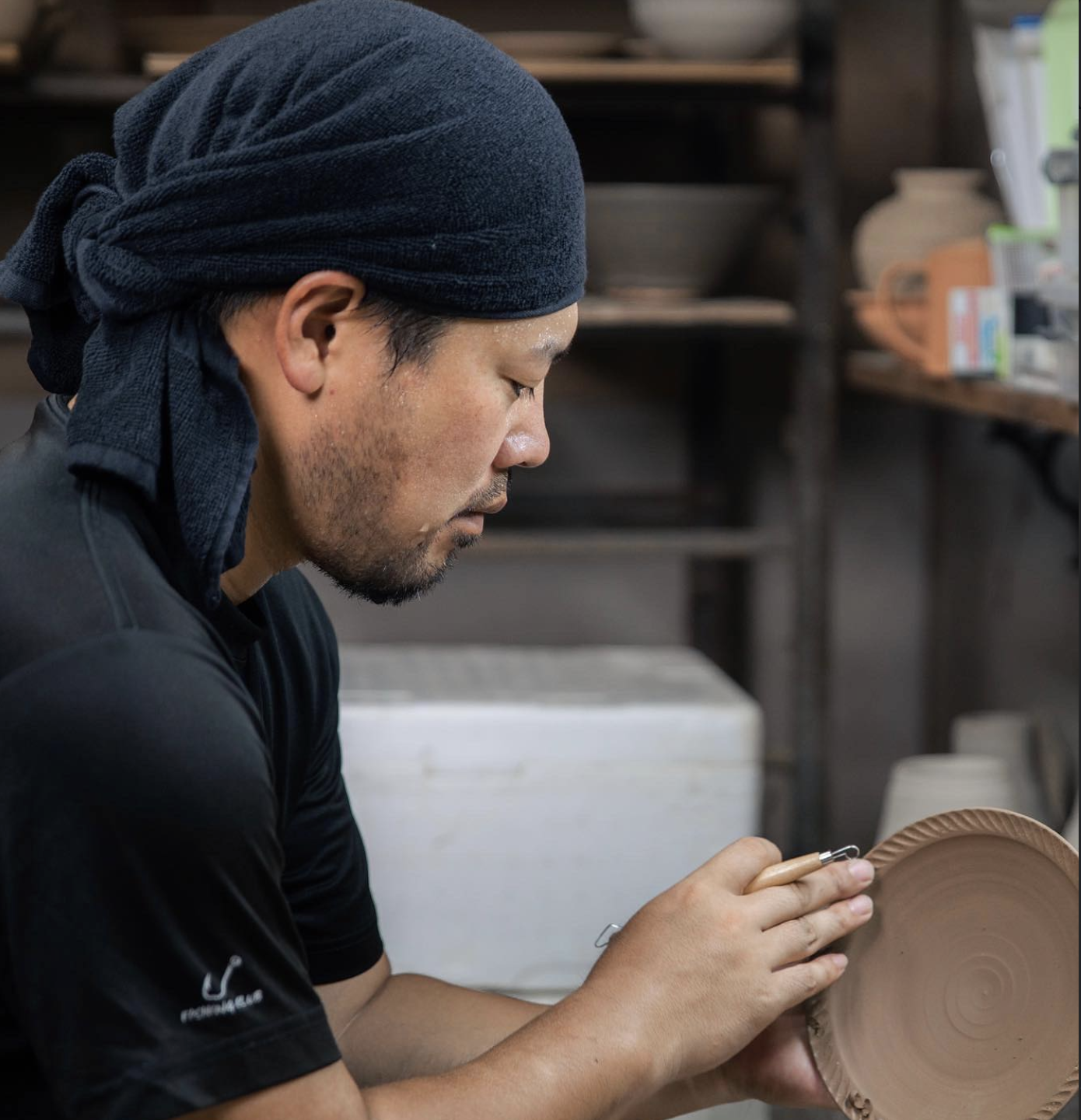
The exhibitors are mostly Kasama ware artisans and studios. Each artisan brings their own pieces, new work included, so you meet pottery before it reaches the shops. The official website says the aim of the fair is for visitors to see the faces of the people who make the pottery. The person standing at the booth is usually the one who made the pieces. You can ask on the spot about the clay, the glaze and how to use them.
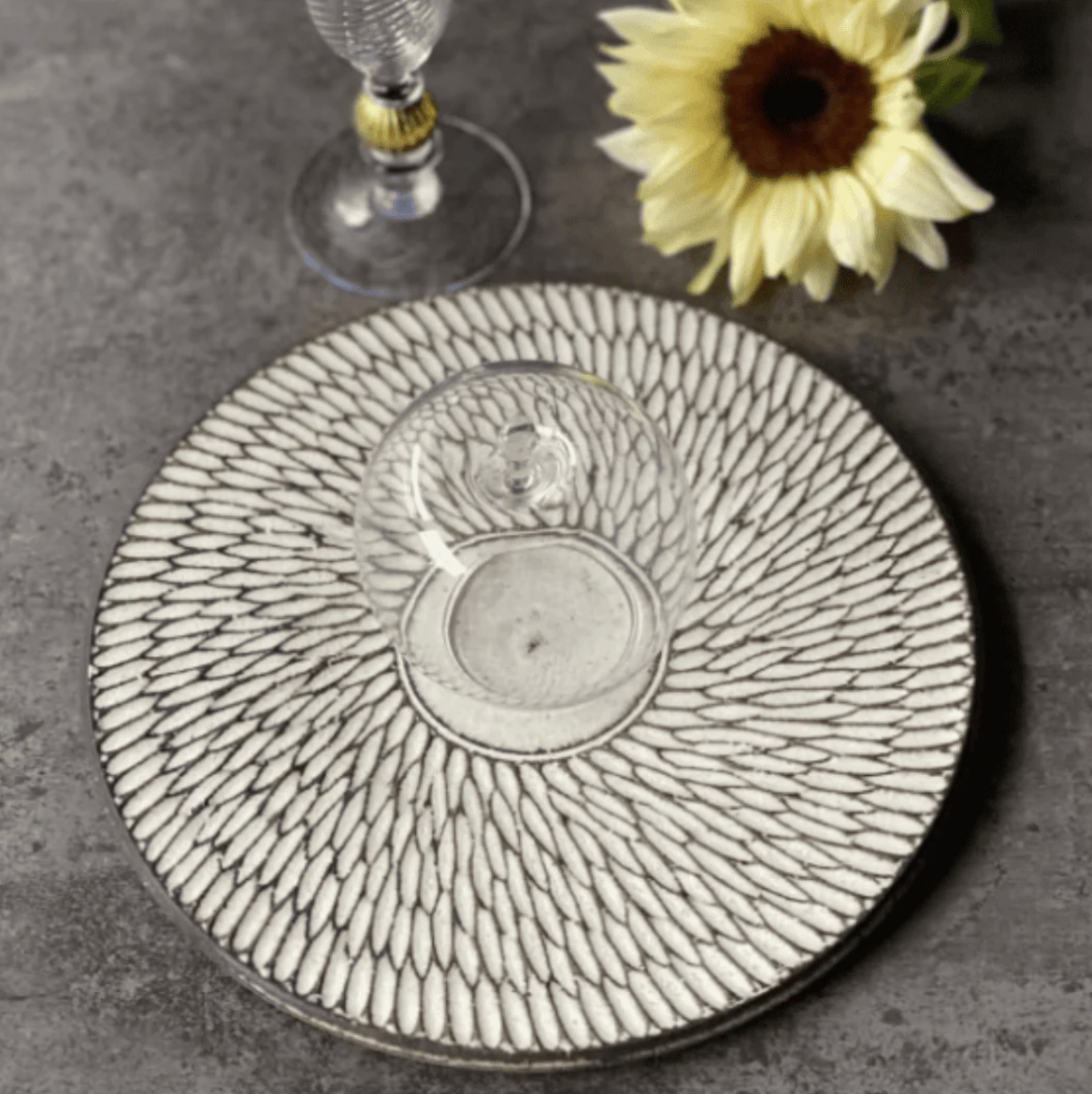
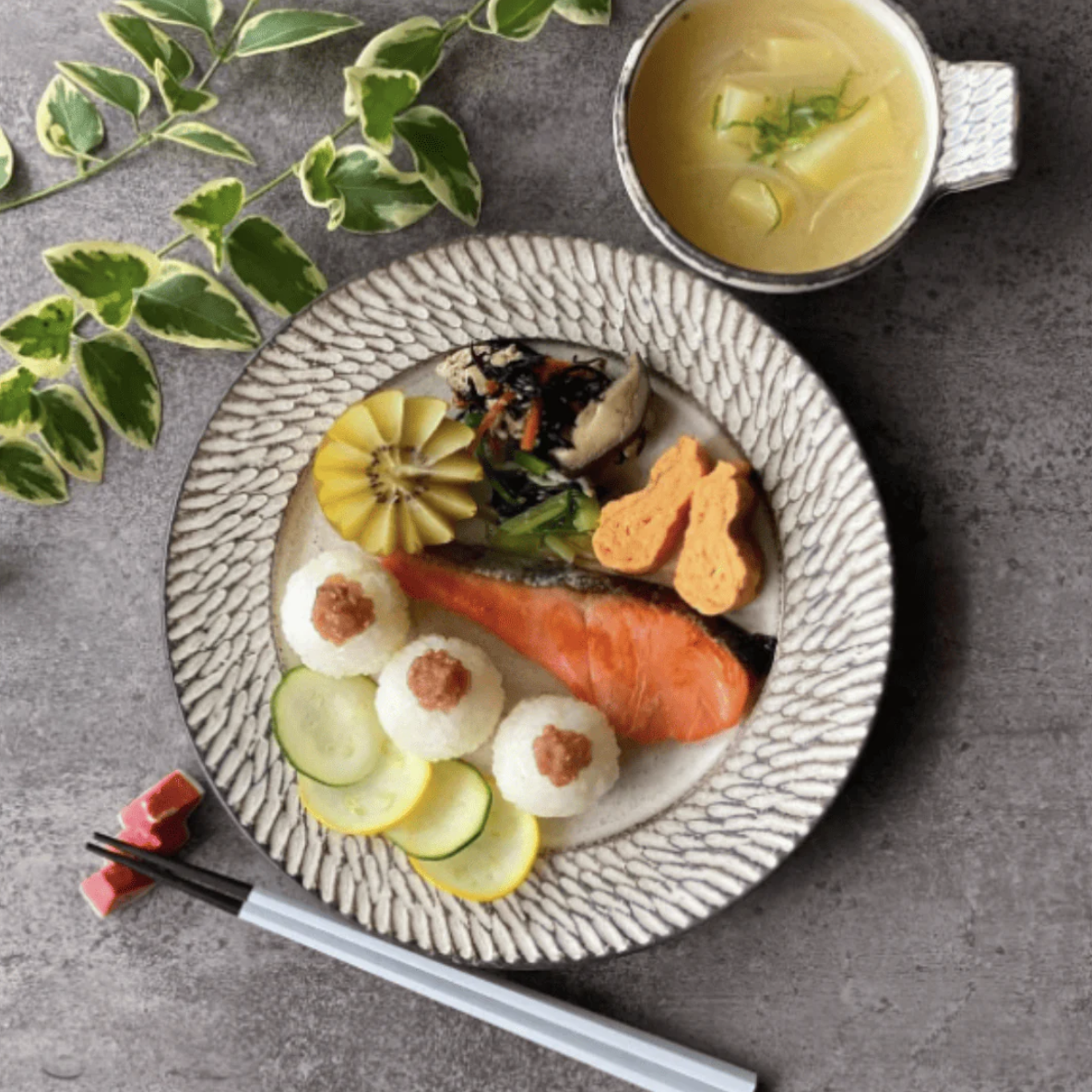
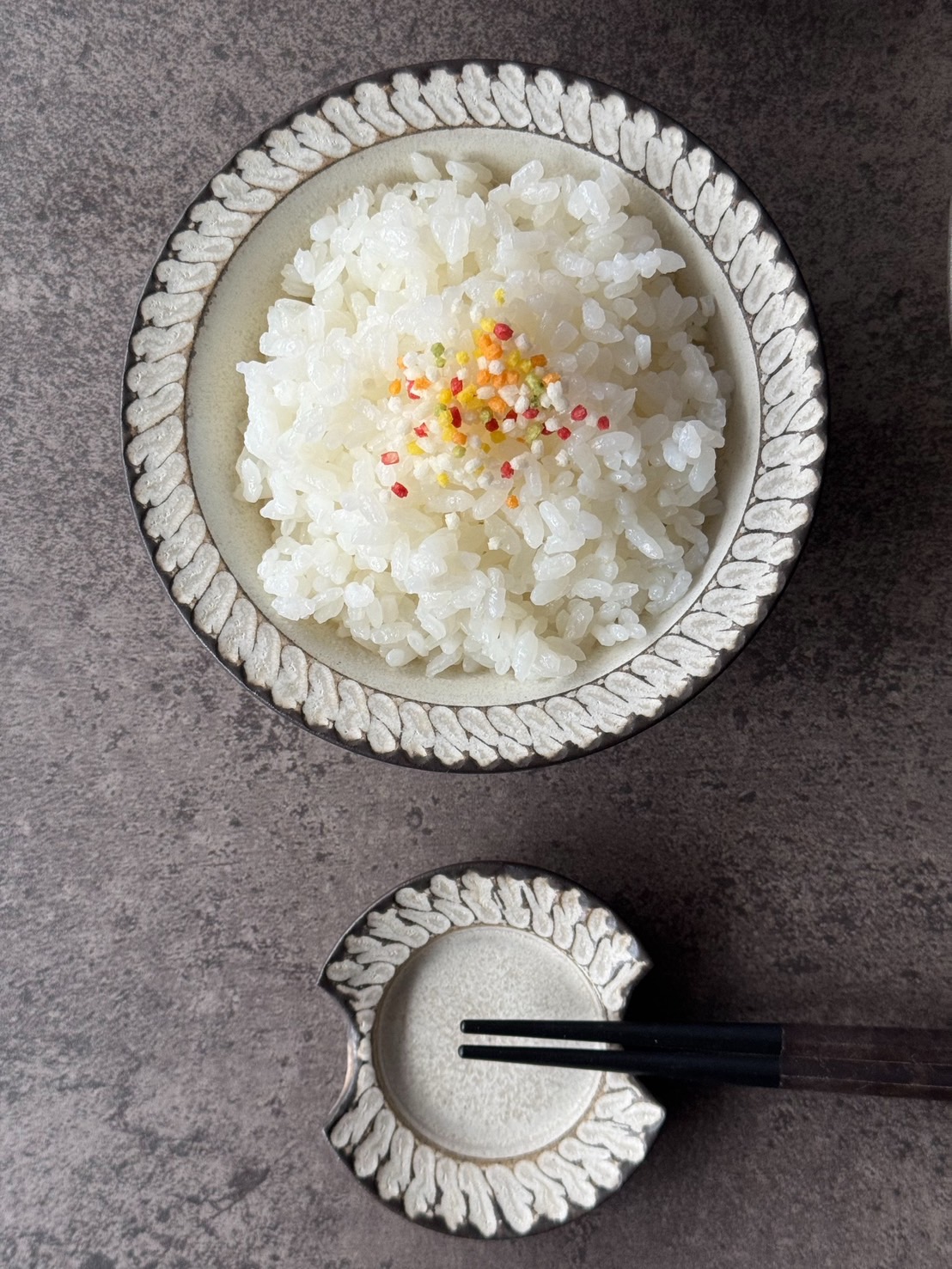
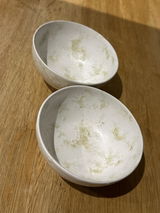
Kasama ware has no fixed style that says "this is Kasama ware." Kohiki white slip and unglazed yakishime, colorful pieces and matte modern ones all sit in the same venue. This is a fair for finding what you like, rather than what looks typically Kasama.
You can eat at the venue at the same time
More than 30 food stalls set up at the venue. Bread, curry, fried chicken, hand-drip coffee, even soy milk donuts from a local tofu shop.
The stalls change from day to day. If there is one you are hoping for, check which day it is open in the food stall information on the official website before you go.
Go round together with the Mashiko Autumn Pottery Fair
The town next to Kasama is Mashiko, in Tochigi Prefecture. The two are neighboring pottery towns, recognized together in 2020 as "Kasamashiko," a Japan Heritage story.
In 2026, Tou to Kurashi and the Mashiko Autumn Pottery Fair run on the same four days, October 31 to November 3. They are in different prefectures, but only about 30 minutes apart by car.
- Mashiko on day one, Kasama on day two Mashiko is a big fair, with about 50 shops joined by some 700 tents. It is easier to do it on the first day, while you still have energy
- Kasama in the morning Tou to Kurashi closes at 4pm (3:30pm on the last day). It closes earlier than Mashiko, so on the day you do Kasama first, get there in the morning
- Compare Mashiko and Kasama Mashiko, rooted in mingei folk craft, and Kasama, with no fixed style. They are neighbors, but the feel of the pottery is quite different
The Mashiko venues and parking are covered in our Mashiko Pottery Fair article.
Getting to Kasama Craft Hills
| How | Route |
|---|---|
| Train | From Tomobe station on the JR Joban Line, take the Kasama sightseeing loop bus. From Kasama station on the JR Mito Line, take a taxi |
| Highway bus | Take the Kanto Yakimono Liner to the Yakimono-dori stop, then walk 5 minutes. During the fair, an extra bus leaves Tokyo station at 7am (reservation required) |
| By car | Tomobe IC or Kasama-nishi IC on the Kita-Kanto Expressway, or Iwama IC on the Joban Expressway |
| Other | Loop buses, local buses and rental bicycles from Kasama and Tomobe stations |
From October 31 to November 3, 2026, Ibaraki Kotsu runs an extra bus leaving Tokyo station Yaesu South Exit at 7am. It reaches Yakimono-dori at 8:42am, in time for the 9am opening. It leaves from Tokyo station, not Akihabara, every seat must be reserved, and payment is by credit card on the Kousoku Bus Net website only. The bus continues on to Mashiko, so you will share it with people going to the Mashiko Autumn Pottery Fair.
Parking and traffic at Kasama Craft Hills
The parking closest to the venue is the Craft Hills parking lot and the north and south parking lots of Geijutsu no Mori Park. Parking inside the park is free.
The official website says heavy traffic is expected from Tomobe IC toward Kasama, as far as the Michi-no-Eki Kasama roadside station. In autumn, other events overlap in Kasama, and the cars pile up.
- Arrive before the 9am opening You avoid both the traffic and the crowded parking lots
- To avoid the traffic from Tomobe IC Kasama-nishi IC and Iwama IC are also options
- Watch for yabusame on November 3 On Culture Day, yabusame (horseback archery) is held around the approach street to Kasama Inari Shrine, and road closures and one-way traffic are planned in step with the procession
The latest traffic information is posted on the Kasama City website, on its page for traffic in the city during the autumn events.
About Kasama as a pottery town
Kasama ware began in the mid-Edo period, under the guidance of a potter from Shigaraki. It was originally a town making everyday tools, such as large jars and mortars. After the war, artisans moved to Kasama from all over Japan, drawn by how few rules the town had. That is why Kasama today has as many styles as it has artisans. A fair like Tou to Kurashi, where the artisans stand at their own booths, is the best place to see that range.
How the town took shape is covered in Kasama ware, and its neighbor in Mashiko ware.
How to work Tou to Kurashi 2026
- 1. Arrive for the 9am opening New work is limited in number. Parking is also surest in the morning.
- 2. Keep the official venue map at hand There are about 100 booths. Save the map published on the official website to your phone and you will not get lost.
- 3. Go round once before you buy Kasama has no single style, so looking at everything first means fewer regrets.
- 4. Note the artisans' names If you write down the names of the artisans whose pottery you liked, you can find them again later.
- 5. Have lunch at the food stalls The stalls change daily. After eating, go back to the booth you were unsure about.
What to bring to a pottery fair
- Cash Some artisans' booths may not take cards or electronic payment, so come prepared.
- Newspaper or a towel The wrapping is sometimes basic. If you are worried, come ready to pack your pieces yourself.
- A sturdy bag Go round the booths and your bags slowly fill up.
- Shoes you can walk in The venue is inside a park, and you will walk a lot.
- A layer to put on It is early November on a hilltop. Mornings are cold.
The dates of other autumn fairs are listed in the Pottery Fair Calendar. Tips on crowds and haggling on the day are in How to Visit a Japanese Pottery Fair.
Related reading
Getting to know Kasama and Mashiko
- Kasama Roman 2026 | Three Days of Food and Craft, Not Himatsuri
- Kasama Ware: Japan's Most Free-Spirited Pottery Town
- Mashiko Pottery Fair: Getting There from Tokyo, Parking and Crowds
- Mashiko Pottery: Where Japanese Folk Craft Still Lives
Before you go to a pottery fair
- Japan Pottery Fair Calendar 2026-2027: 90 Dates and Venues
- How to Visit a Japanese Pottery Fair: Crowds, Cash, Haggling
- Japanese Pottery: The Complete Guide
For the days you cannot go
Tou to Kurashi is only four days a year. Even if you cannot go on those days, we deliver pottery made one piece at a time by hand by Kasama artisans, directly from where it is made. Every piece carries its artisan's name, so you can trace who made it.
See Kasama ware potteryFAQ
When and where is Tou to Kurashi 2026?
Is it at the same venue as Himatsuri?
Can I do it as a day trip from Tokyo?
Shop the related pieces
Kasama
14 pieces See all
Kawasumi Tomokazu
Woodgrain Yunomi Teacup — Kasama
¥2,530
Mugs

Kawasumi Tomokazu
White Glaze Free Cup No.16 — Kasama
¥2,530
Mugs

Kawasumi Tomokazu
Reversible Woodgrain Plate No.3 — Kasama
¥4,510
Plates

Kawasumi Tomokazu
Woodgrain Flat Plate, 24cm No.2 — Kasama
¥6,820
Plates
Mashiko
4 pieces See all
Ooe Kazuto
Hidasuki Guinomi Sake Cup — Mashiko No.2
¥5,500
Japanese Sake Ware

Ooe Kazuto
Hidasuki Guinomi Sake Cup — Mashiko No.1
¥5,500
Japanese Sake Ware

Ooe Kazuto
Hidasuki Guinomi Sake Cup — Mashiko No.4
¥5,500
Japanese Sake Ware

Ooe Kazuto
Hidasuki Guinomi Sake Cup — Mashiko No.3
¥5,500
Japanese Sake Ware
New to Japanese pottery? Start here — its history, how pottery differs from porcelain, the clays and glazes behind each style, and how to care for a piece. → Japanese Pottery: The Complete Guide