
Artisan Fujiwara Jun | A Blue Like a Lake and Sky, Sealed in Shigaraki Clay

Fujiwara Jun, who works in Shigaraki, is known for pottery in a deep, mysterious blue. The blue glaze catches the light in delicate gradations, as if it held a lake or a piece of sky.
Underneath it all is the texture of Shigaraki ware clay. Fujiwara Jun makes the most of that clay while creating pieces with dynamic forms you will not forget once you have seen them. Plates with sharp, pointed ridges around an eight-sided outline, bowls whose rims rise straight up, goblets with sculptural stems. In every piece, the form itself has power.
The goal is pottery that looks cool when you share a meal with friends, and that is "beautiful to look at, and good to use." This article introduces Fujiwara Jun's blue and forms, the raised lines of icchin, and how to use the pieces at the table every day.
You can see each piece in Fujiwara Jun's collection.
Shigaraki Clay and a Lake-Like Blue
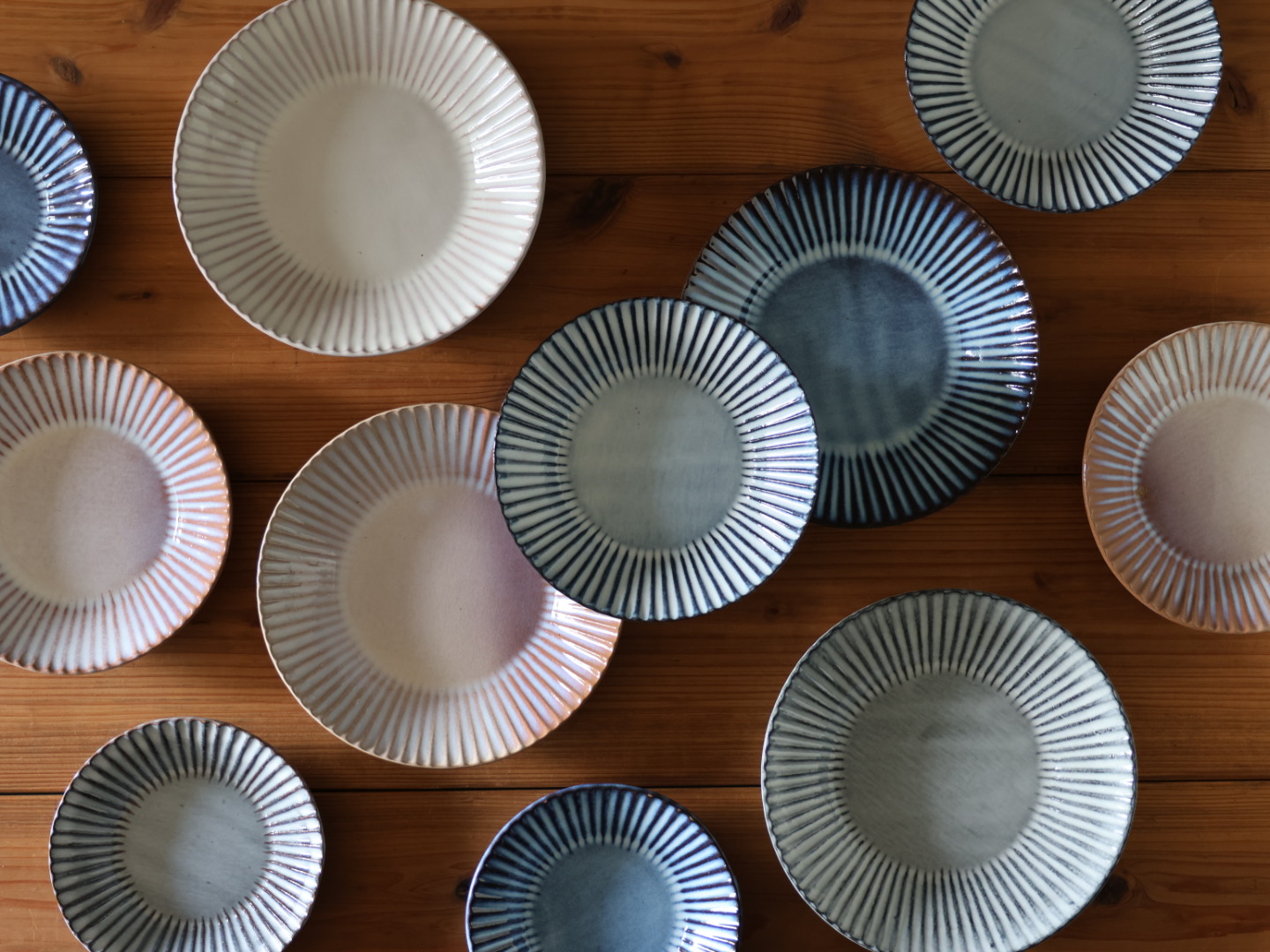
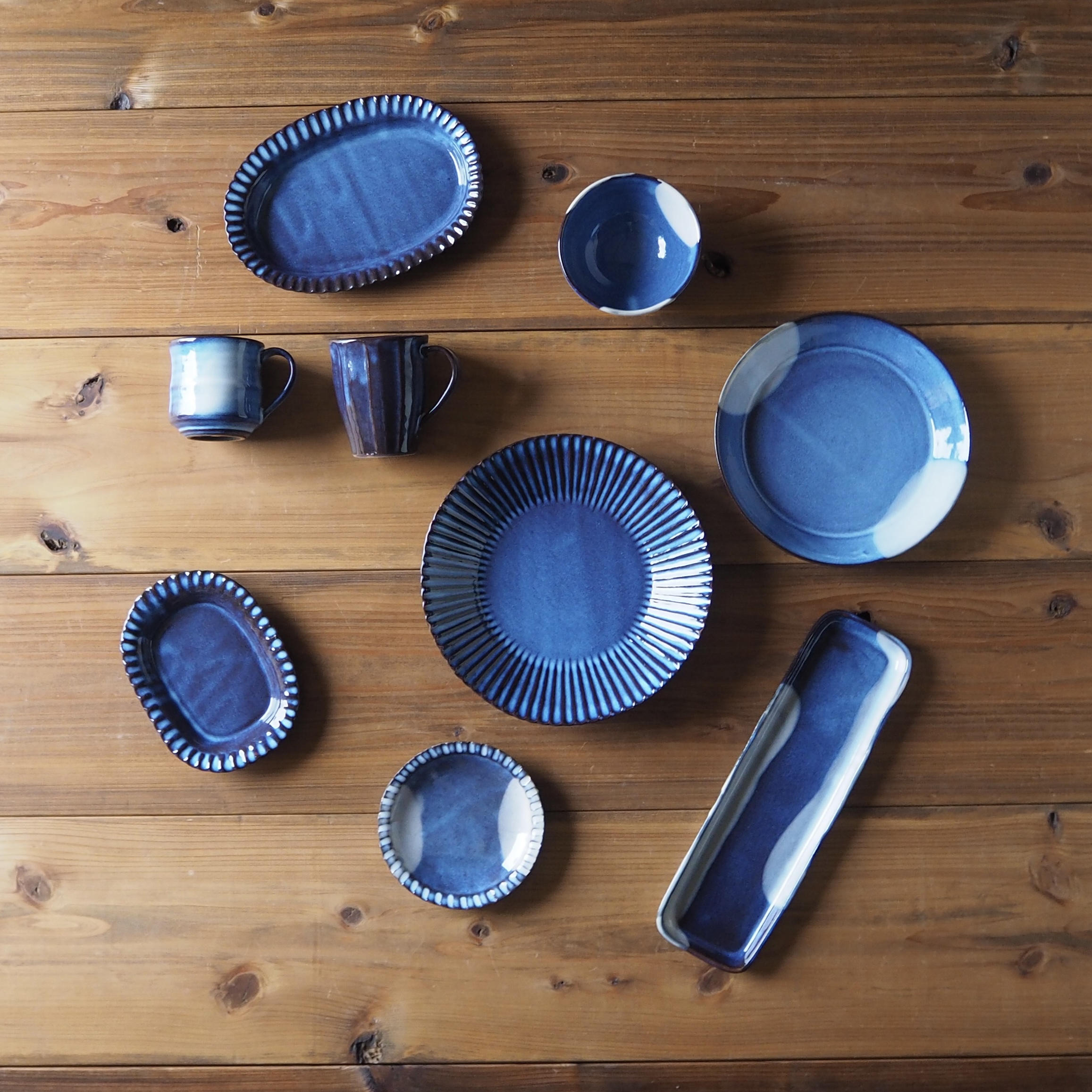
When you pick up a piece by Fujiwara Jun, the first thing you notice is the blue. Even within one blue, it is deep where the glaze pools thickly, while on the rims and ridges where it runs thin the clay shows through, shifting gently from blue-green to the color of earth. As the light changes direction, the shading changes with it.
On a straight-sided shallow bowl, the blue inside is like a clear water surface, while outside the grains of Shigaraki clay and the blue-green glaze overlap in patches. The texture of the clay is not hidden but shown as much as the blue of the glaze. That is what makes a piece unmistakably Fujiwara Jun's.
To compare blue pottery across other techniques and regions, see our guide to blue Japanese tableware and the blue tableware collection.
Icchin | Raised Lines Drawn on the Surface
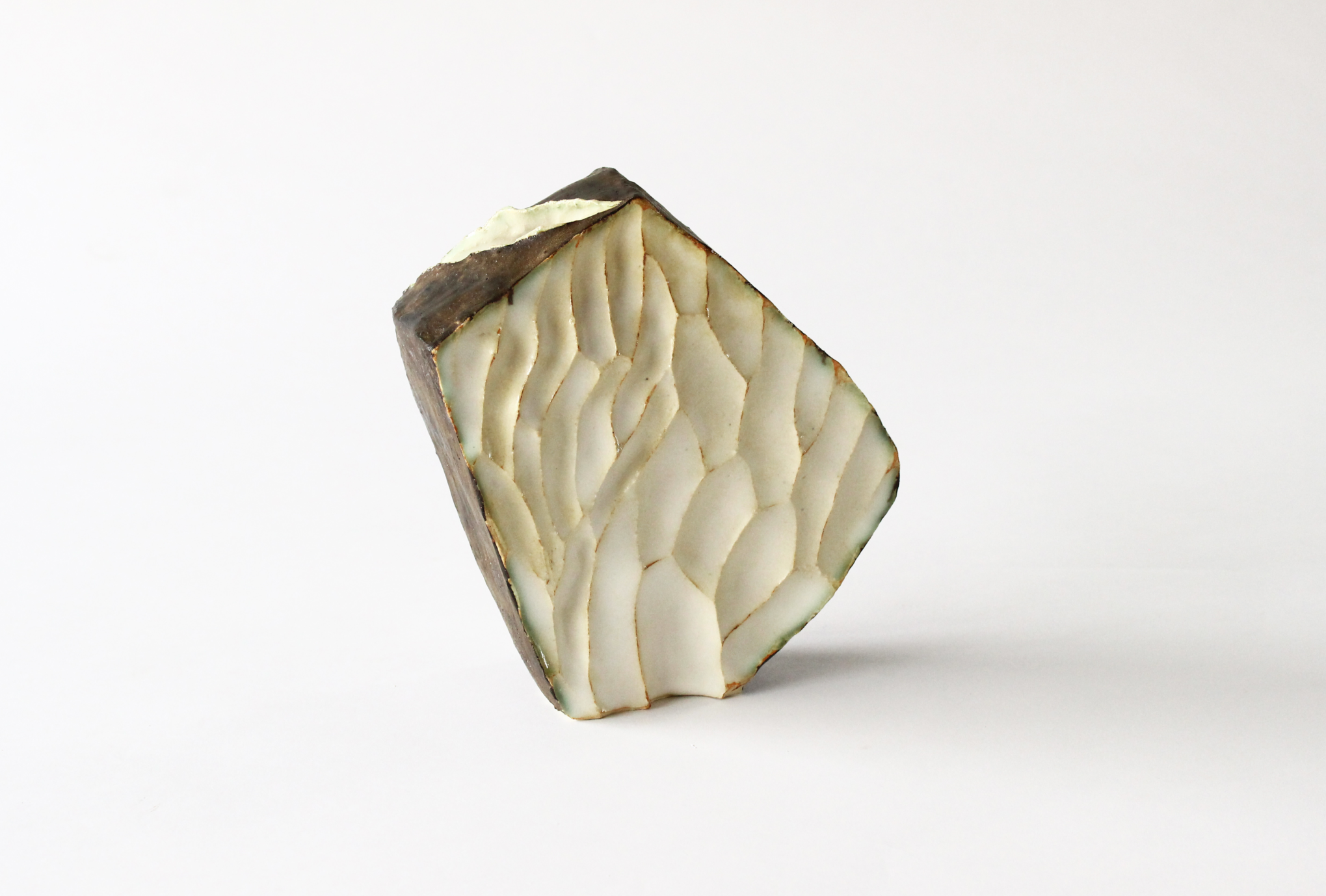
Look closely at the surface of a Fujiwara Jun plate and you will see raised lines running beneath the blue. This is a technique called icchin, in which slip is piped out in thin lines and dots. The lines keep their height after firing, and the blue glaze over them runs deeper at the edges of each line and thinner on top.

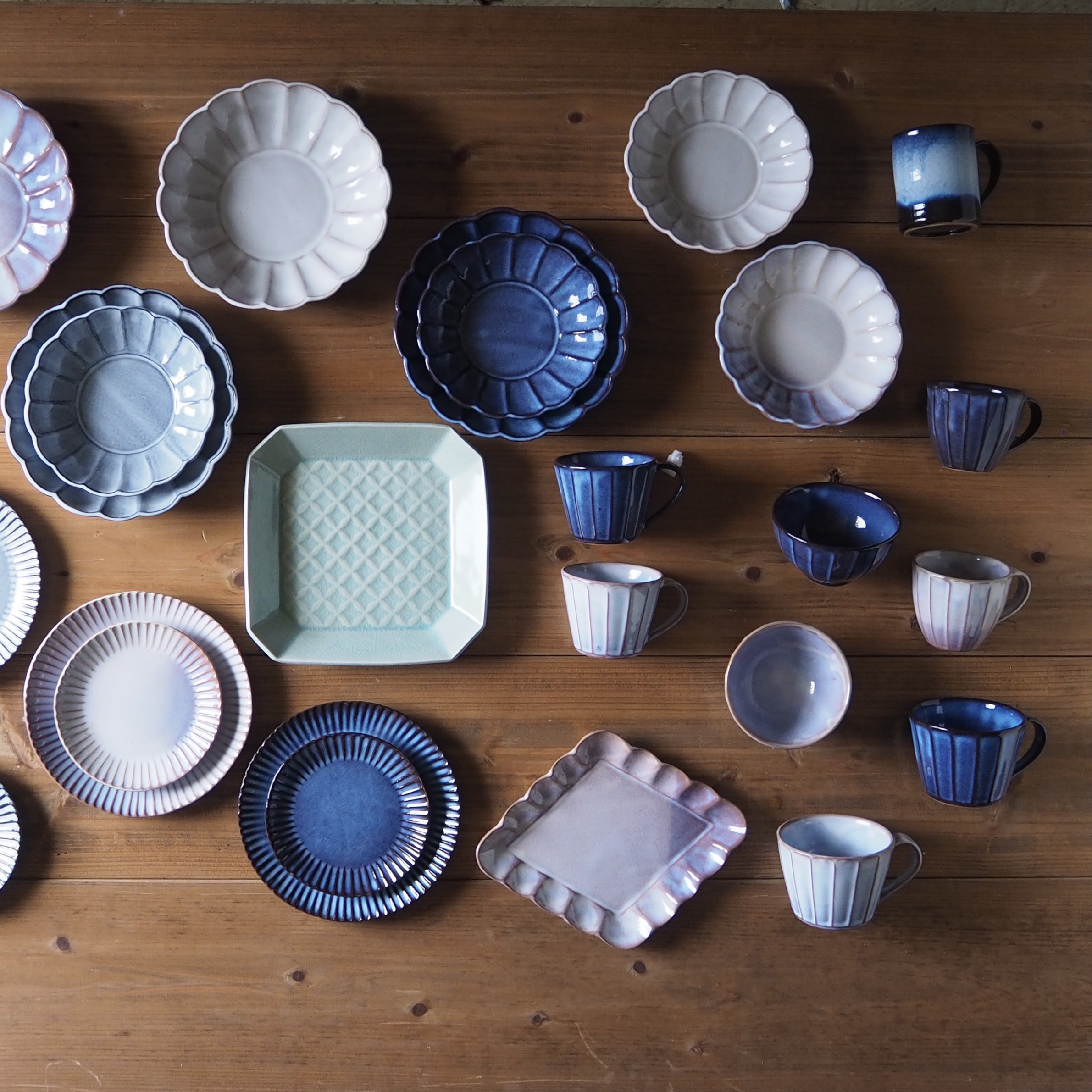
The photo shows plates with wavy rims stacked in order of size. Patterns of lines rise up from beneath the blue glaze. Because the trace of the hand's movement is left just as it is in the lines, the icchin pattern is different on every plate, and no two are the same.
Forms You Won't Forget Once You've Seen Them
Fujiwara Jun's pieces stay in your memory for their form as much as for their blue. The best-known is the plate called the "8 Tongari" (eight-point).
- 8 Tongari An eight-sided plate with sharp yet delicate pointed ridges, and icchin lines across the surface. Made in a range of sizes, from mamezara tiny plates to platters for a main dish
- Flat Plate A flat plate stripped of extra decoration. The slightly raised rim gives it a crisp look
- Straight-Sided Shallow Bowl A bowl with a rim that rises cleanly and just the right depth. Available in 18 cm and 21 cm
- Pedestal Plate A plate on a foot. Sweets, fruit or appetizers sit on it as if on a stage
- Goblet A sculptural piece with a strong line running from the stem into the cup. For wine or cold tea
Straight lines and curves, sharpness and softness. Opposites held in balance within a single piece: that is the Fujiwara Jun form.

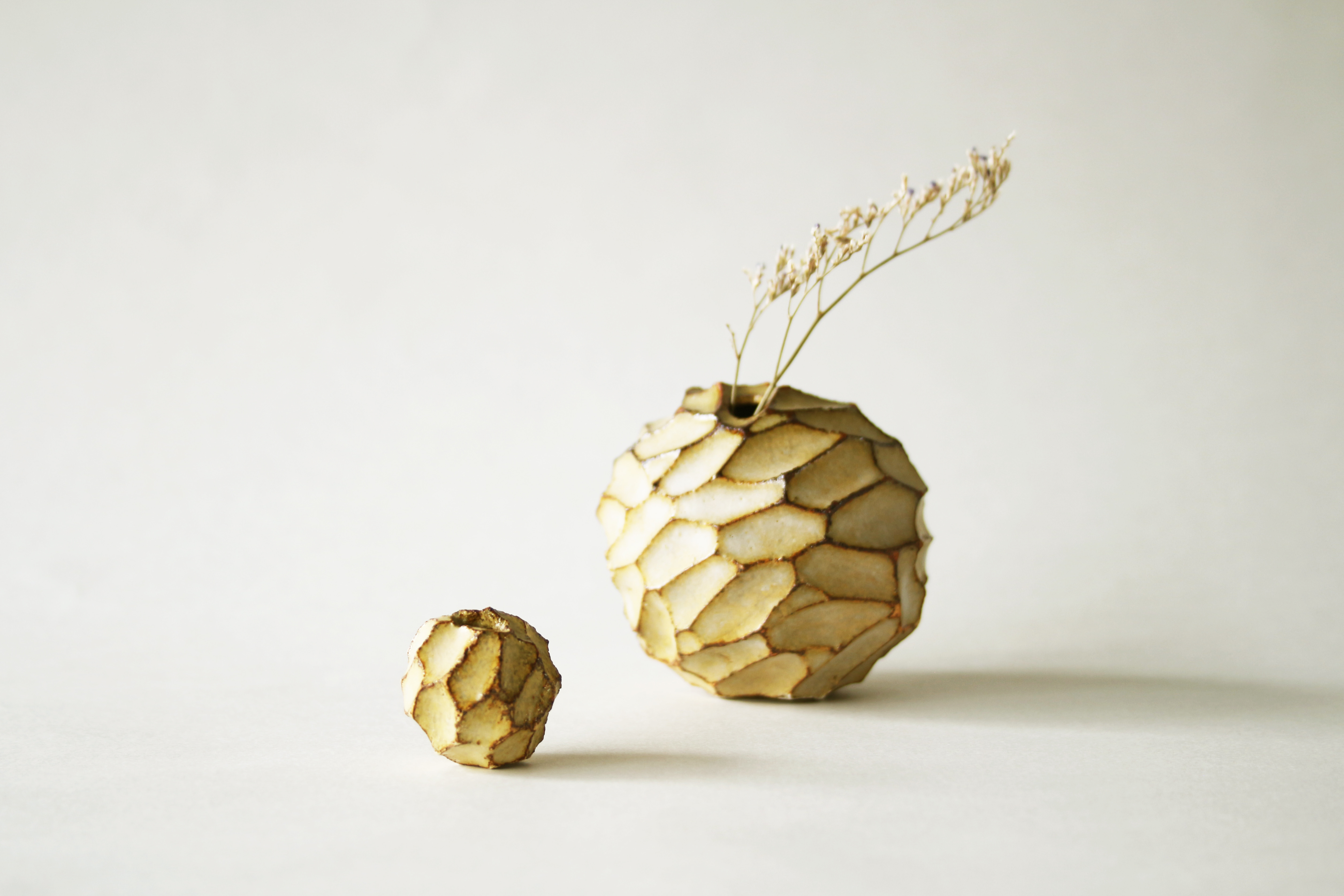
Set several blue pieces side by side and, even with the same glaze, each one shows its color differently, creating a scene on the table. Fujiwara Jun also makes pieces inspired by bananas, and many works can be enjoyed as objects for display.

How to Use It | Making a Meal With Friends a Little Special
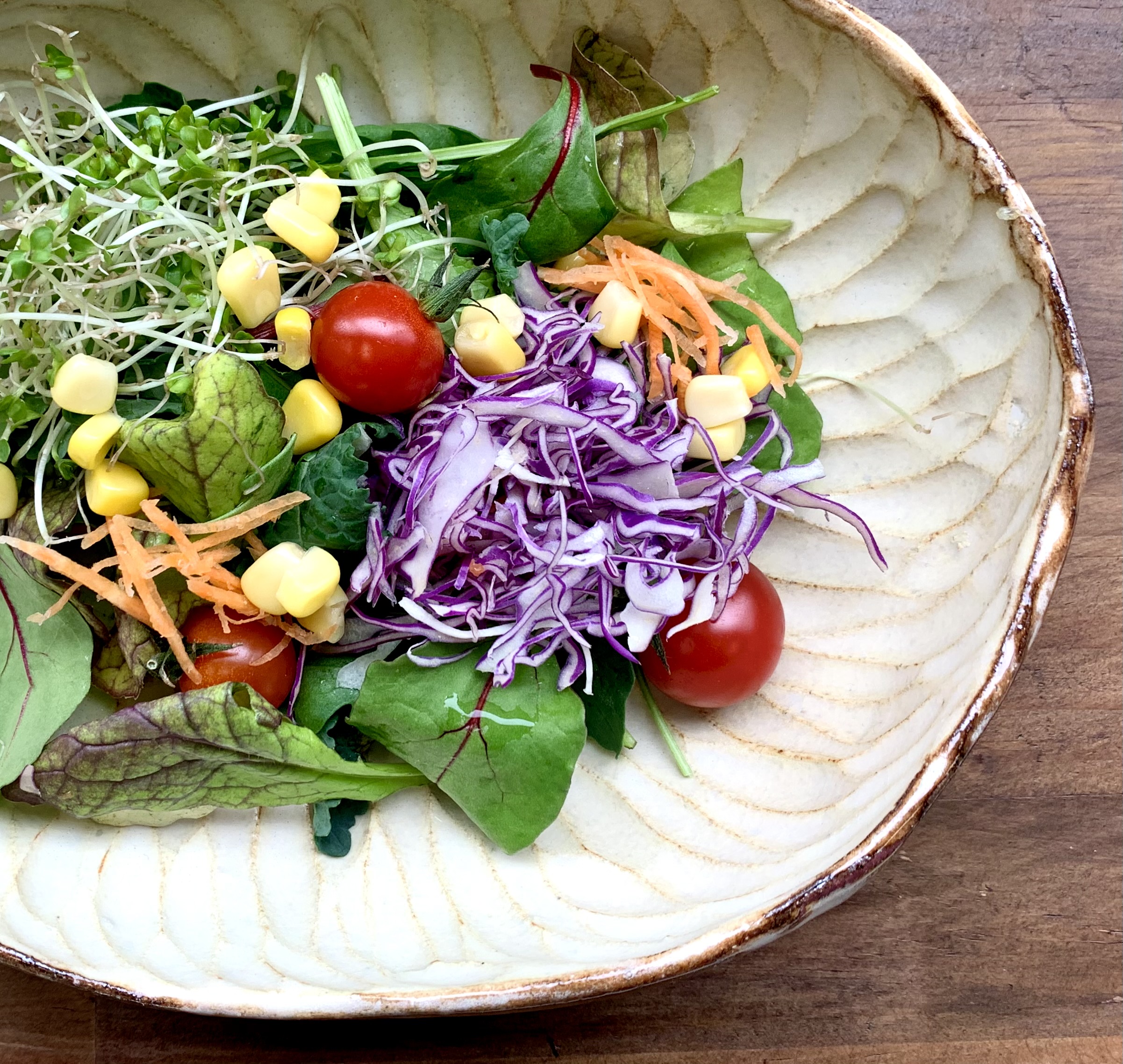
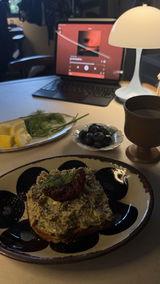
What Fujiwara Jun aims for is pottery that looks cool when you share a meal with friends. The slight wavering of the glaze and the way it reflects light bring out the food served on it.
- For a main dish Serve meat or pasta on an 8 Tongari or a flat plate. The pointed outline and blue surface transform everyday cooking
- For side dishes and salads The straight-sided shallow bowl is just the right depth for simmered dishes, salads and sides
- To display sweets and appetizers A little wagashi, fruit or an appetizer on a pedestal plate. Its height brings rhythm to the table
- For a toast Wine or cold tea in a goblet
The plates and bowls available now are in Fujiwara Jun's collection. To find the right plate size for a dish, see also our guide to medium plates.

The photo shows two pieces with petal-like wavy rims, one stacked on the other. Blue-green glaze flows over a ground that is almost black. These are pieces you will want to keep on display even when they are not in use.
Caring for Your Pottery
Fujiwara Jun's pieces are not suitable for the microwave, dishwasher or oven. After use, wash them by hand and let them dry well before putting them away. How to handle stoneware is covered in our article on stoneware care.

Related Articles and Terms
Learn About Shigaraki Ware
- Shigaraki Ware: Why Its Clay Sparkles After 1,200 Years
- Shigaraki Ware Buying Guide: Choose by Artisan and Clay
Blue Pottery and Techniques
- Blue Japanese Tableware: Sometsuke, Gosu, Celadon and Ruri Glaze
- Icchin: Slip Trailing, the Raised Dot Technique
- Japanese Stoneware Care: What Porcelain Never Needs
A Blue Like a Lake or Sky, for Your Table
Shigaraki clay, a deep, clear blue glaze and the lines of icchin. See Fujiwara Jun's plates and bowls, each with a look of its own, in the collection.
See Fujiwara Jun's potteryFAQ
Can Fujiwara Jun's pieces go in the microwave or dishwasher?
What are the raised lines on the surface of Fujiwara Jun's plates?
What food goes well with Fujiwara Jun's pieces?
Shop the related pieces
Fujiwara Jun
3 pieces See all


Shigaraki
35 pieces See all
Furutani pottery
Iron-Line Soup Cup with Handle — Shigaraki
¥2,970
Mugs

Furutani pottery
Gosu Blue Line Rice Bowl, Small — Shigaraki
¥2,420
Japanese Rice Bowls

Furutani pottery
Iron-Line Rice Bowl, Large — Shigaraki
¥2,640
Japanese Rice Bowls

Furutani pottery
Rust Glaze Foliate Rim Deep Plate, Small — Shigaraki
¥2,420
Plates
New to Japanese pottery? Start here — its history, how pottery differs from porcelain, the clays and glazes behind each style, and how to care for a piece. → Japanese Pottery: The Complete Guide