
Pottery Towns Near Kyoto: Day Trips to Shigaraki, Tamba and Iga

Kyoto is one of the best cities in Japan to buy pottery, but it is not where most of it is fired. The kilns that once lined the slopes below Kiyomizu-dera moved out of the city long ago, and much of the clay Kyoto potters relied on came from the hills around it. If you want to see a climbing kiln, walk past stacks of drying pots and buy straight from the people who made them, you have to leave the city for a day.
Three pottery towns are close enough to reach from Kyoto by train and back in time for dinner: Shigaraki in Shiga, Tamba Tachikui in Hyogo and Iga in Mie. Each has its own clay, its own way of firing and a very different feel on the ground. This guide compares them, explains how to get to each one, and suggests how to plan the day so you see kilns rather than closed doors.
It is written for travelers who already have a day or two in Kyoto. If you are planning where to shop inside the city itself, our guide to buying pottery in Kyoto covers Gojozaka, Kiyomizu and the shops around them.
Short on time? Much of what you will see in Shigaraki is also in our collection of Shigaraki ware, shipped from Kyoto.
Three Towns at a Glance
All three towns sit on old, heavy stoneware clays and all three fire pieces that are meant to be used every day. The differences are in how far they are, how much there is to walk around, and how easy it is to get between kilns without a car.
| Town | Shigaraki | Tamba Tachikui | Iga |
|---|---|---|---|
| Where | Koka City, Shiga | Tamba-Sasayama City, Hyogo | Iga City, Mie |
| By rail | JR to Kibukawa, then the Shigaraki Kohgen Railway | JR Fukuchiyama Line to Aino, then a local bus | JR Kansai Main Line to Iga-Ueno, then a taxi |
| On foot | Easy. A kiln walk starts at the station | Good once you arrive. Kilns line one valley road | Possible around the craft hall, but you need a ride to get there |
| Known for | Warm orange fire color, white feldspar specks, the tanuki | A long climbing kiln from 1895 and about 60 working kilns | Thick green glassy ash, heavy flower containers and clay pots for the stove |
| Best for | A first pottery town | Seeing many kilns in one place | Collectors of ash-glazed pieces and cookware |
If you only have one day, choose Shigaraki. It is the easiest to reach, the town is built around pottery from the moment you step off the train, and you can see a great deal without a car. Choose Tamba if you want to visit many small kilns in a quiet valley. Choose Iga if you already know Japanese stoneware and want to see where some of its most dramatic ash glazes come from.
Shigaraki: The Easiest Day Trip
Shigaraki is one of the Six Ancient Kilns, the six places where pottery has been fired without a break since the medieval period. Its clay comes from the bed of an ancient lake that once stood where the hills are now, and it is full of tiny grains of feldspar that melt into white specks in the kiln. Fired in a wood kiln without glaze, the same clay turns a warm orange known as fire color, with patches of natural ash glaze where the flames touched it.
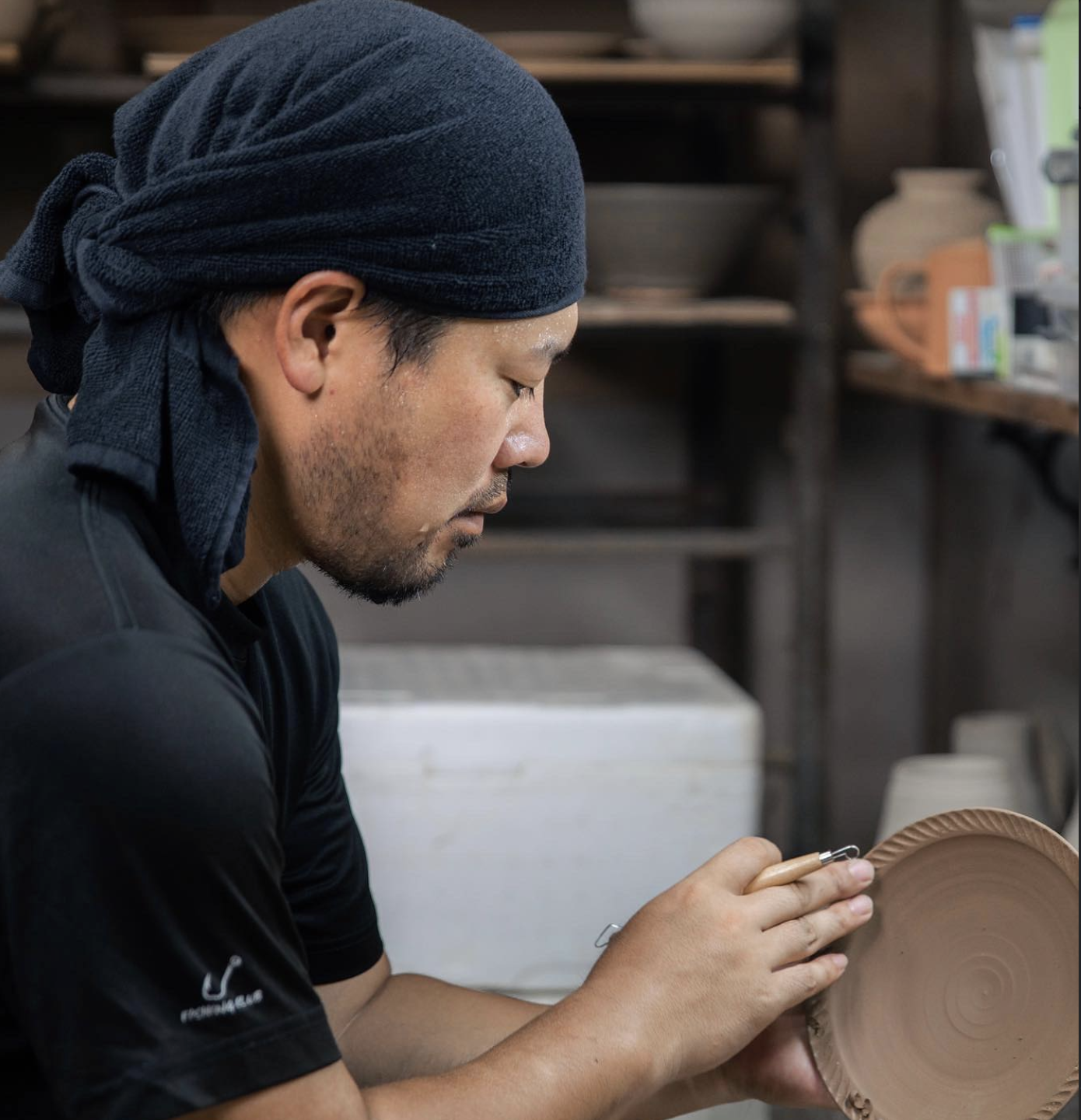
Today the town makes everything from tableware to garden pieces and large tiles, and the potters work in every style. You will find rough yakishime beside clean white glazes and modern colors. That range is what makes it a good first pottery town: you will almost certainly find something you like.

Getting there
From Kyoto Station, take the JR Biwako Line to Kusatsu, change to the JR Kusatsu Line for Kibukawa, and change again to the Shigaraki Kohgen Railway, a small local line that runs through the hills to Shigaraki Station. The last leg takes about half an hour. Trains on the local lines are not frequent, so look up your connections before you leave Kyoto, and check the timetable for the return trip as soon as you arrive.
What to see
- The tanuki at the station Shigaraki is famous for its ceramic raccoon dogs, and a crowd of them waits outside the station. The big one in front changes its costume with the seasons. Our article on the Shigaraki tanuki explains what each part of the figure is said to mean.
- The kiln walk A walking route of about 2 km starts in front of the station and loops through the old streets, past climbing kilns, walls set with ceramic tiles and signposts made of clay. It takes 30 to 40 minutes at a steady pace, and there are many slopes, so wear comfortable shoes.
- Shigaraki Traditional Craft Center About a three-minute walk from the station, with displays on the history of the town's pottery. It is usually open from 9:00 to 17:00 and closed on Thursdays.
- Shiga Prefectural Ceramic Cultural Park A large park on the hill above the town, with a museum of ceramic art, studios for visiting artists and outdoor works. It is about a 20-minute walk from the station. It is usually open from 9:30 to 17:00 and closed on Mondays (the following day when Monday is a holiday). Some halls close between exhibitions, so check the calendar on the park's own site.
Between those stops, most of the day is spent in kiln shops along the main road and the side streets. Many of the larger potteries have a showroom where you can see the whole range of a workshop at once. Smaller studios may open only when someone is there, so treat a closed door as normal rather than a sign that you came on the wrong day.
What to look for
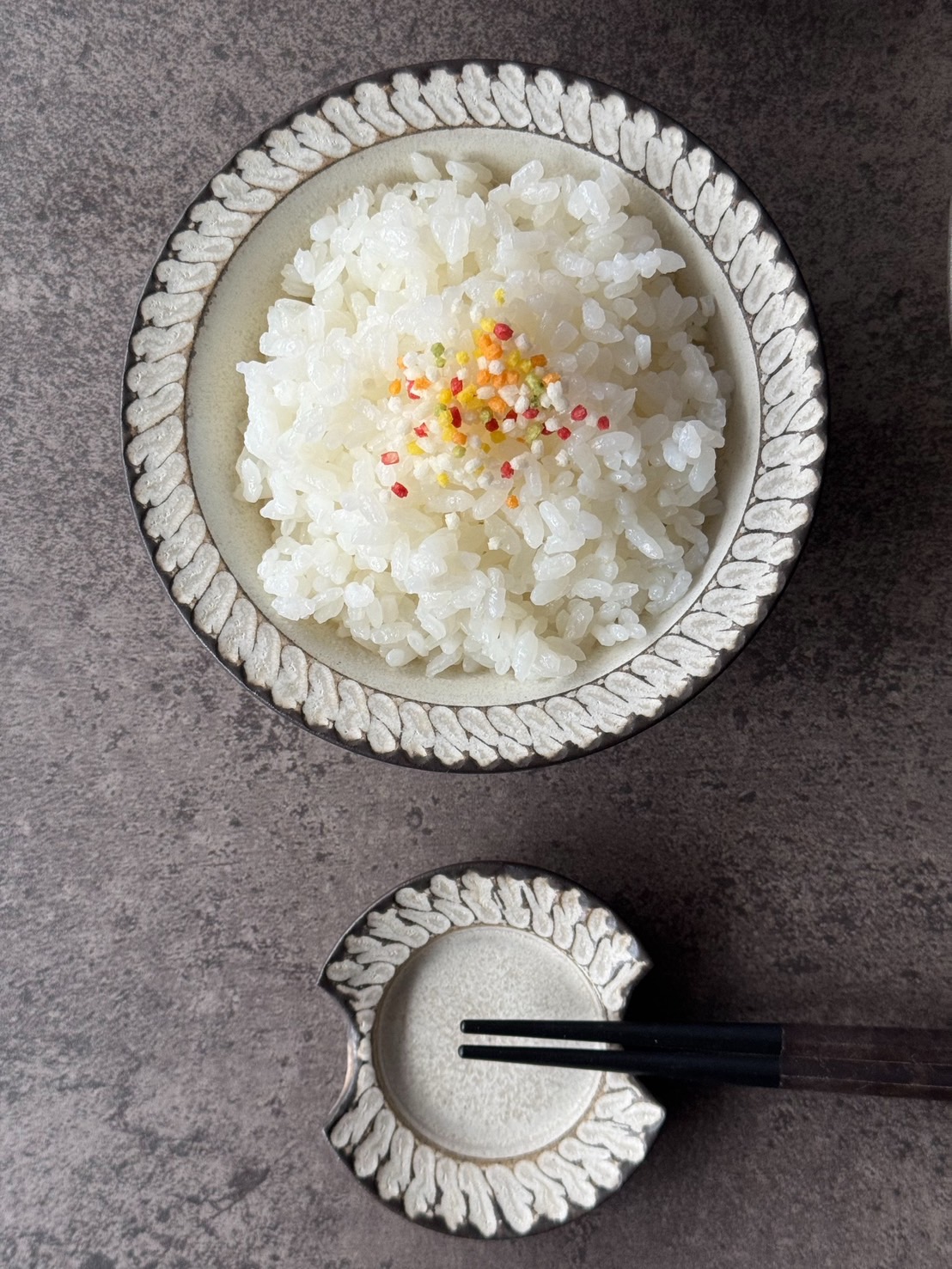
Turn a piece over and look at the bare clay at the foot. Shigaraki clay is coarse, and you can often see the white feldspar grains and a touch of orange where the fire reached it, even on glazed tableware. Rice bowls, serving bowls and mugs from Shigaraki tend to be sturdy and a little heavier than porcelain, which is why they are so good for daily use. Our Shigaraki buying guide goes into the details of fire color, glazes and how to choose a piece.
The town holds a large pottery festival in October, when kilns across Shigaraki open their doors. It is lively and crowded. If you would rather talk with potters in a quiet shop, come on an ordinary weekday instead. Our article on the Shigaraki pottery festival covers the event itself.
Tamba Tachikui: A Valley of Kilns
Tamba ware is another of the Six Ancient Kilns, and Tachikui is its center: a narrow valley in Tamba-Sasayama where about 60 kilns line the road and the slopes behind it. It feels less like a town and more like a long village of workshops. Wood smoke, drying racks and stacked firewood are part of the scenery.
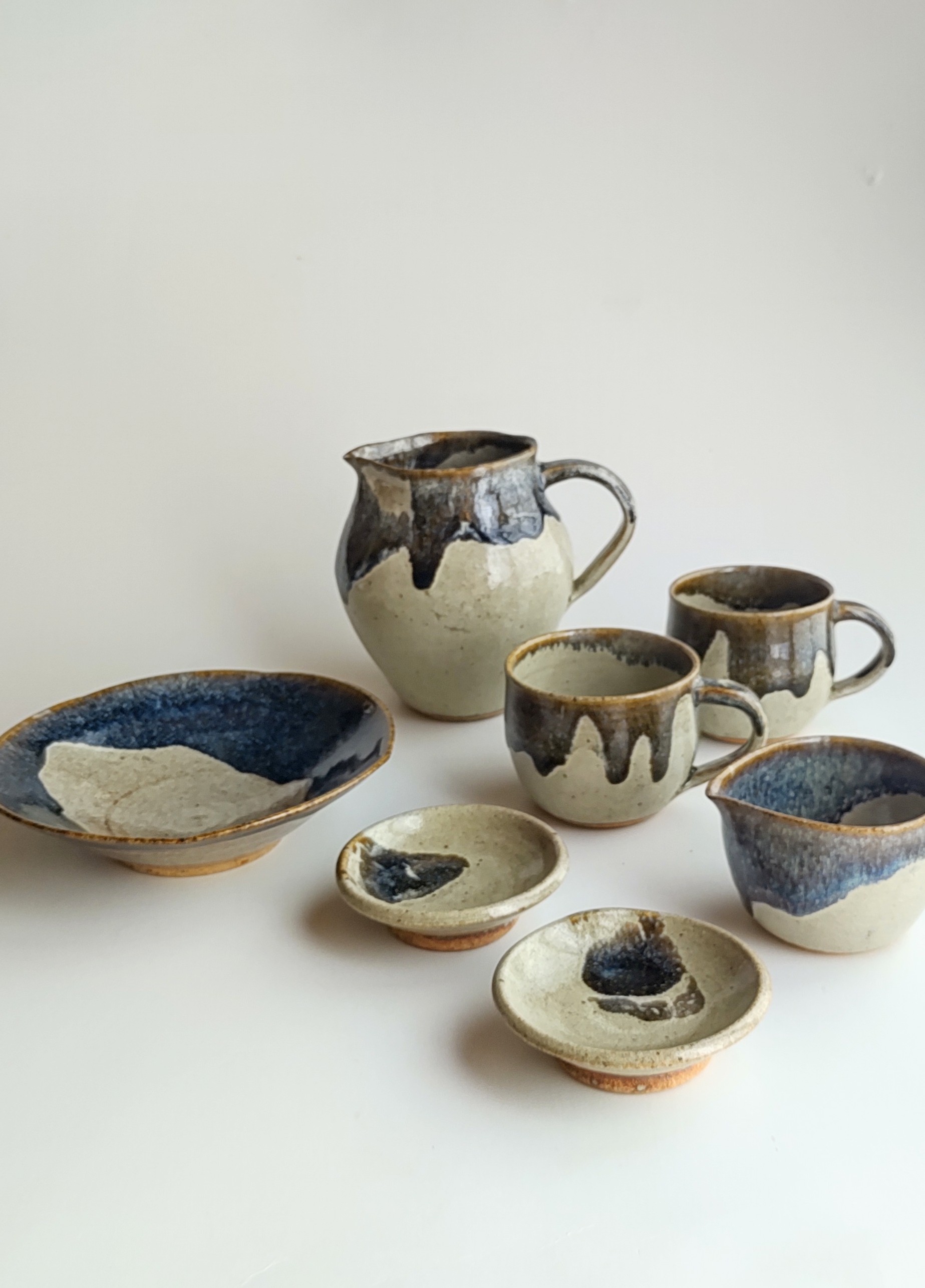
Tamba potters have traditionally used a kick wheel that turns counterclockwise, the opposite direction to most of Japan, and the old pieces carry a natural ash glaze that runs in greenish streams down dark brown clay. Modern Tamba ranges much wider, from slipware with combed patterns to clean everyday plates, but the earthy, practical character remains.

Getting there
Take the train to JR Aino Station on the Fukuchiyama Line, then a Shinki bus for about 10 minutes to the stop in front of Sue no Sato. You can also get off at Tachikui Kokaido-mae and walk about five minutes. Buses are not frequent, roughly one an hour at many times of day, so check the timetable for both directions before you set out. If you are traveling in a group, a taxi from Aino is worth considering for the return.
What to see
- Sue no Sato The Tamba Traditional Craft Park, with a hall that shows pieces from the kilns of the valley side by side. It is a good first stop: you can see who makes what, then walk out to visit the kilns whose work you liked. It is usually open from 10:00 to 17:00 and closed on Tuesdays (open when Tuesday is a holiday) and at the turn of the year.
- The old climbing kiln Built in 1895, it is the oldest Tamba kiln still standing: a noborigama 47 meters long with nine chambers climbing the hillside. It is designated an important tangible folk cultural property by Hyogo Prefecture.
- The kiln road Most kilns have a small shop or showroom at the front. Walk the road slowly, look in, and expect to see the same family's work change from one generation to the next.
Tachikui's big festival is in October, when the whole valley holds an open-kiln event. On other days the valley is quiet, which is the best time to talk with the people who work there.
Iga: For Collectors of Ash Glaze
Iga ware comes from the far side of the same hills as Shigaraki, and the two share a similar clay. For centuries they were hard to tell apart. Iga became famous in the age of the tea ceremony for flower containers and water jars fired so long and so hot that the ash melted into thick pools of glassy green, with ears and deliberate distortions that tea masters admired. Today Iga is also known for clay cooking pots and rice pots that go straight on the stove, because its heat-resistant clay handles direct flame well.

Getting there
Iga is the hardest of the three to reach without a car. Take the JR Kansai Main Line to Iga-Ueno Station, then a taxi of about 20 minutes to the pottery area. Trains on the section of the line between Kamo and Kameyama run about once an hour, so plan the connections carefully. The official tourism site for Iga City also notes that JR services are infrequent.
What to see
- Iga-yaki Traditional Industry Hall The best first stop, with exhibits and a shop for pieces from local kilns. Many kilns are within walking distance of the hall. It is usually open from 9:00 to 17:00, Tuesday to Sunday, closed on Mondays (the following day when Monday is a holiday) and over the New Year.
- Nagatani-en A long-established pottery known for its clay cooking pots, about 10 minutes by taxi from Iga-Ueno Station. Its Taisho-era building and its climbing kiln are registered tangible cultural properties of Japan. The main shop is usually open from 10:00 to 17:00 and closed on Tuesdays (open on public holidays), at New Year and during Obon.
Iga's pottery festival is held in September. If you go on another day, combine the pottery area with the castle town around Iga-Ueno, which is known for its ninja history and makes the long train ride worth it for travelers who are not only there for ceramics.
How to Plan the Day
A pottery town is quiet compared with Kyoto, and the most common mistake is to arrive late and find that the kilns have closed for the afternoon. These points make the biggest difference.
- Leave Kyoto early Most shops and halls open between 9:00 and 10:00 and close around 17:00. Arriving before 11:00 gives you a full day.
- Check closing days Each town's main hall closes on a different weekday: Thursday in Shigaraki for the craft center, Monday for the ceramic park, Tuesday in Tachikui and Monday in Iga. Avoid stacking your trip on the day your first stop is closed.
- Check the train home first On the local lines, missing one train can mean an hour's wait. Note the last convenient departure when you arrive.
- Bring cash Some small kiln shops do not take cards.
- Bring wrapping Shops wrap what you buy, but a tote bag and a few sheets of newspaper or a scarf help you carry several pieces safely.
- Ask before you photograph Workshops are working spaces. A quick question is always welcome, and many potters will show you around if they are not in the middle of a firing.
- Check official sites before you go Opening hours, holidays and festival dates change from year to year. The hours in this guide were taken from each facility's own information at the time of writing.
If you would like to try making something yourself, several pottery towns offer short classes, usually by reservation. Our guide to booking a pottery class in Japan explains what to expect.
Which Town Is Right for You?
| If you want… | Go to |
|---|---|
| Your first pottery town, without a car | Shigaraki. Start with the kiln walk from the station |
| To see many small kilns side by side | Tamba Tachikui. Start at Sue no Sato |
| Wood-fired, unglazed stoneware | Shigaraki or Tamba. Look for pieces from wood kilns |
| Thick green ash glaze and tea ceremony pieces | Iga. Start at the Traditional Industry Hall |
| Clay pots for cooking | Iga |
| A town and a museum in one trip | Shigaraki, with the Ceramic Cultural Park |
| A quiet day with few other visitors | Tamba or Iga on a weekday |
Back in Kyoto: What the City Adds
Kyoto's own pottery, Kyo ware, is a different world from the country kilns. Where Shigaraki, Tamba and Iga grew out of local clay and big wood kilns, Kyoto potters worked for temples, tea masters and the court, often with clay brought in from elsewhere, and became known for refined shapes, painted decoration and an endless variety of glazes. A day in the hills followed by an evening in Kyoto's shops is the best way to see how wide Japanese pottery really is.
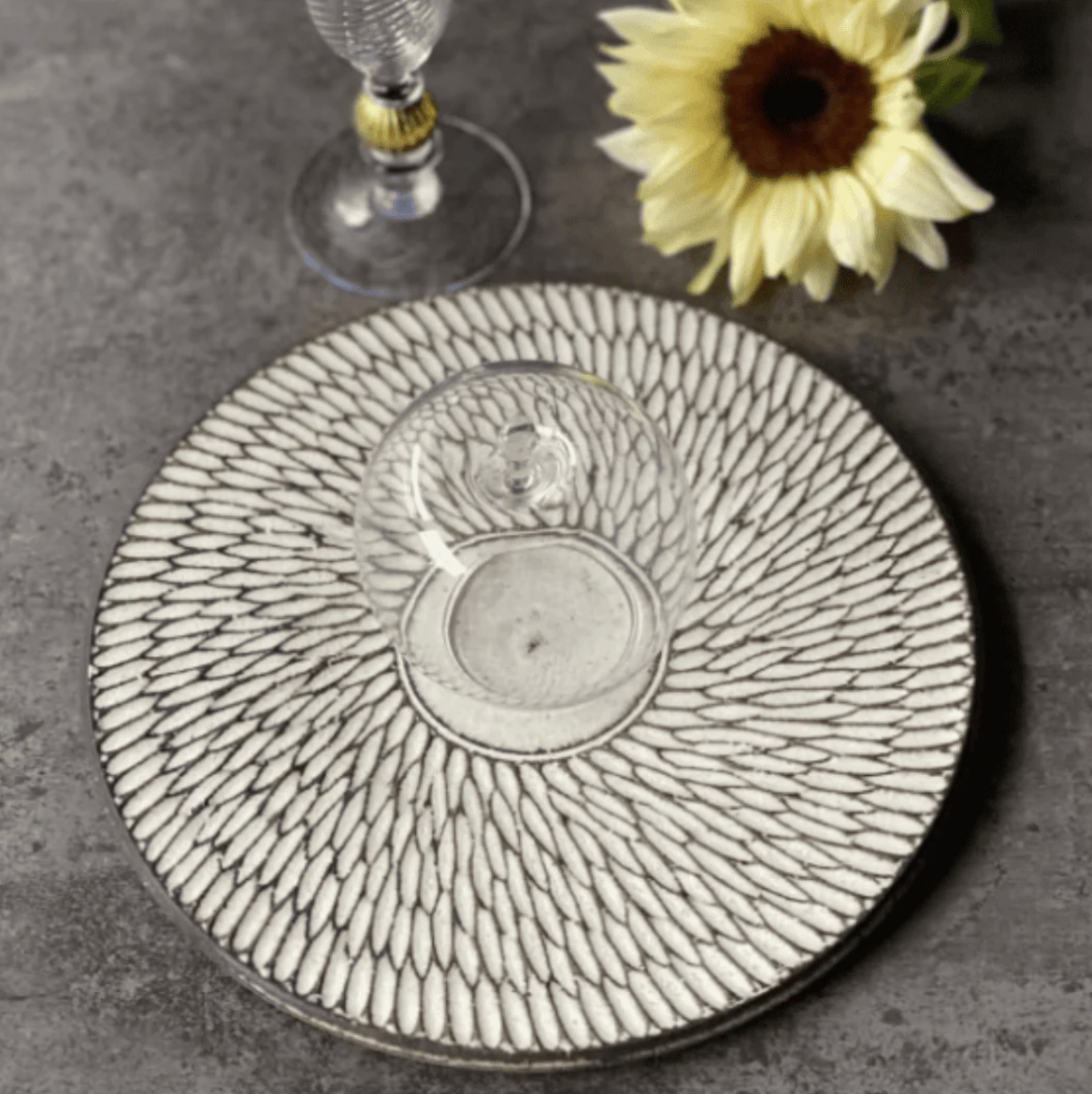
Look at the two side by side and the contrast is clear. A Shigaraki bowl shows its clay. A Kyoto plate is more likely to show the potter's hand in its shape and glaze: a leaf pressed into the surface, a scalloped rim, a crackle that catches the light. Our Kyoto ware collection brings together pieces from the city's contemporary artisans.
While you are in the city, you can also visit our own gallery. Kyoto Nokaze is in Okazaki, near Heian Shrine, and brings together work by more than forty artisans and kilns from across Japan, from Shigaraki, Kasama and Mashiko to Hagi and Okinawa. You can see and buy pottery from many regions in one room, without leaving Kyoto.

If You Cannot Make the Trip
Not every itinerary has room for a day in the hills, and pottery is heavy to carry home. Our shop in Kyoto works directly with artisans from Shigaraki, Kyoto and other regions, and every piece is wrapped one by one and shipped overseas. You can browse Shigaraki pottery or Kyoto pottery before you travel, to know what to look for, or after you come home, for the piece you wish you had bought.
Related Articles
Before You Go
- Where to Buy Pottery in Kyoto: Gojozaka, Kiyomizu & Online
- How to Visit a Japanese Pottery Fair: 9 Regions Compared
- Japan Pottery Fair Calendar 2026-2027: 90 Dates and Venues
- Pottery Classes in Japan: Where to Try the Wheel
The Pottery of Each Town
- Shigaraki Ware: Why Its Clay Sparkles After 1,200 Years
- Tamba Ware Guide: Japan's 800-Year Ash-Glazed Pottery
- Iga Ware: Fire, Ash and the Beauty of Rough Clay
- Kyo Ware and Kiyomizu Ware: Kyoto's Refined Ceramics
- Japan's Six Ancient Kilns: All 6 Regions Compared
Bring Shigaraki Home Without the Train Ride
Rice bowls, serving bowls and plates from Shigaraki's kilns, chosen in person and shipped from Kyoto, packed one by one.
Shop Shigaraki wareFAQ
Which pottery town is easiest to visit from Kyoto?
Can I visit Tamba or Iga without a car?
When is the best time to visit a pottery town near Kyoto?
Shop the related pieces
Shigaraki
42 pieces See all
Furutani pottery
Gosu Blue Line Rice Bowl, Small — Shigaraki
¥2,420
Japanese Rice Bowls

Furutani pottery
Iron-Line Rice Bowl, Large — Shigaraki
¥2,640
Japanese Rice Bowls

Furutani pottery
Rust Glaze Foliate Rim Deep Plate, Small — Shigaraki
¥2,420
Plates

Furutani pottery
Rough Iron-Line Oval Deep Bowl, Large — Shigaraki
¥3,740
Bowls
Kyoto
37 pieces See all
Ryosuke Matsuo
Foliate Oval Plate, Brown No.1
¥4,200
Plates

jiucasca
Ash-Blue Glaze Coffee Cup — Kyoto
¥5,060
Japanese Coffee Cups

jiucasca
Blue-White Porcelain Foliate Arabesque Plate, Small
¥3,300
Plates

Tobo Usurai
Ice-Crackle Rice Bowl, Large — Bubble Blue
¥4,400
Japanese Rice Bowls
New to Japanese pottery? Start here — its history, how pottery differs from porcelain, the clays and glazes behind each style, and how to care for a piece. → Japanese Pottery: The Complete Guide