Japanese Rice Bowls
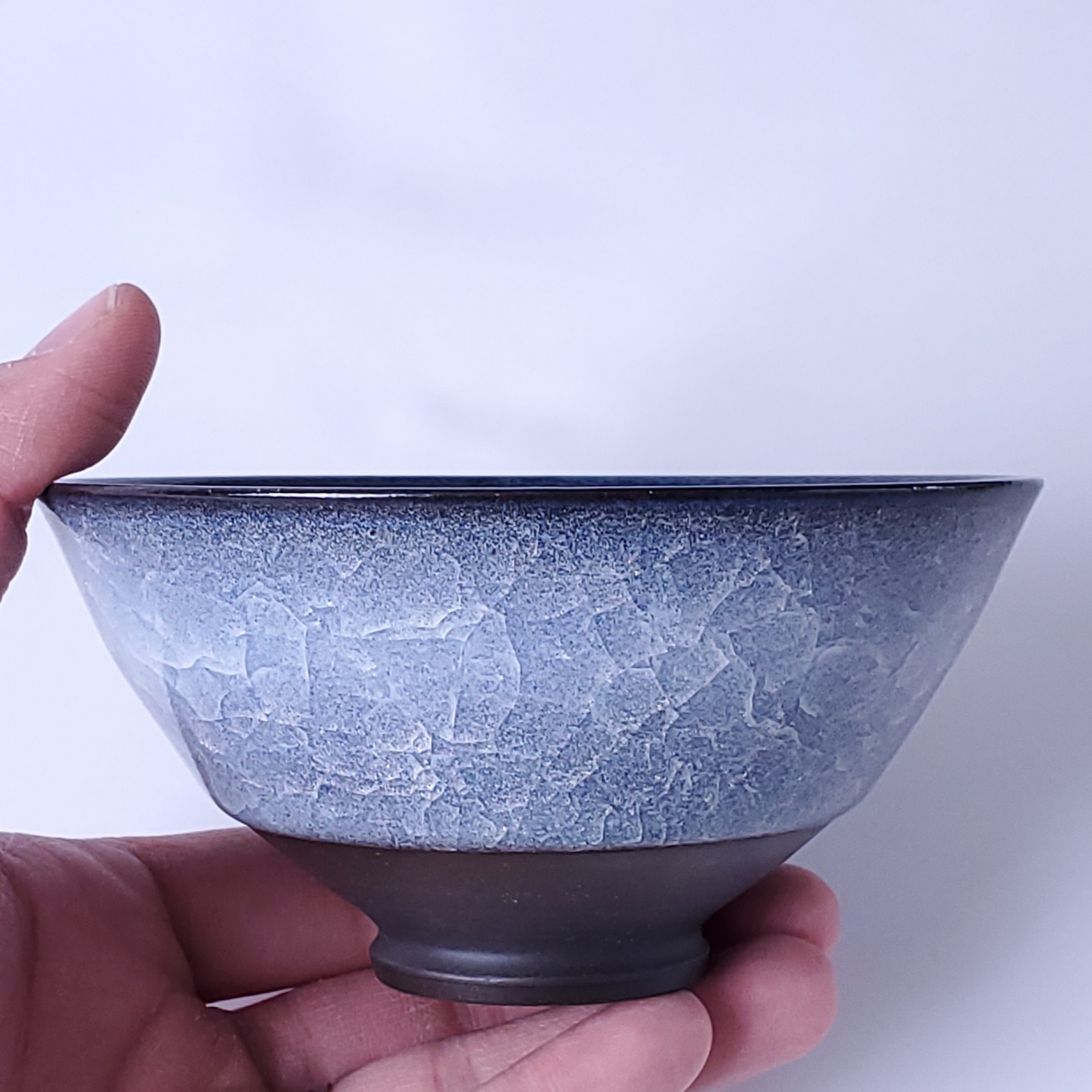
A rice bowl may be the piece you hold in your hand longest in the course of a day. That makes how a Japanese rice bowl sits in the hand a more useful test than how it looks on a shelf.
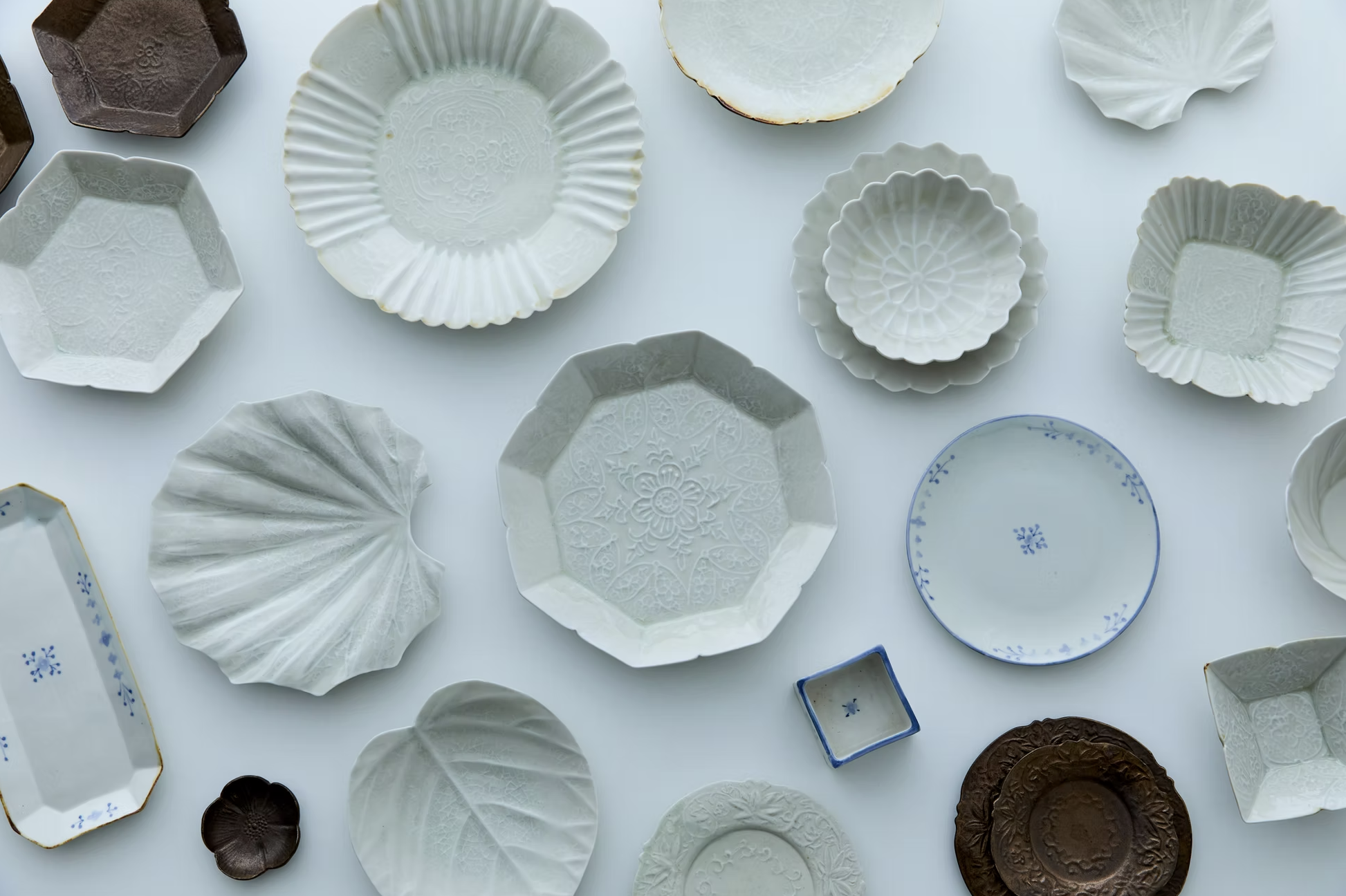
Some have ridges cut down the side. Some are coated in white slip. Some carry fine blue lines. Some are fired without glaze. The way the foot ring is turned changes where your fingers catch, and a centimeter of difference across the mouth changes how much a serving feels like. Many are made as a larger and a smaller of the same form, not as a set, but so that a bowl can be matched to the hand that will use it. Sizes, care & FAQ
Artisan Works

Japanese Rice Bowls
Footed Bowl, Small, White No.1 — Okinawa
¥4,950

Japanese Rice Bowls
Suzu-Gesho Rice Bowl No.2 — Okinawa
¥6,000

Ichirun Tobo
Black & White Rice Bowl No.1
¥2,420
Japanese Rice Bowls

Furutani pottery
Iron-Line Rice Bowl, Small — Shigaraki
¥2,420
Japanese Rice Bowls

Ichirun Tobo
Blue Landscape Serving Bowl
¥3,300
Japanese Rice Bowls

anna terada
Playful Bowl, Blue
¥4,400
Japanese Rice Bowls

Ryosuke Matsuo
Rice Bowl — Ooze Melt
¥4,840
Japanese Bowls

Ichirun Tobo
Black & White Rice Bowl No.2
¥2,420
Japanese Rice Bowls

Ryosuke Matsuo
Rice Bowl — Ooze Blue
¥4,730
Japanese Bowls
Buying guide
Japanese Rice Bowls Buying Guide
What you will find here
These rice bowls come from across Japan. There are faceted and ridged bowls in Hagi glaze, unglazed rice bowls from Bizen, stoneware with iron lines and gosu blue from Shigaraki, porcelain from Seto, bowls with a fine crackle in the glaze from Kyoto, bowls from Okinawa, and slip-decorated bowls from Iriomote Island. You will also find a few donburi for rice with toppings. Each bowl is listed under the artisan or workshop that made it.
Rice bowl, chawan, gohan-jawan
In Japanese, a rice bowl is called chawan or gohan-jawan. The same word chawan also means a tea bowl, which is a different piece: usually wider, and made for whisking matcha. If that is what you are after, see our matcha bowls. Everything here is a chawan rice bowl made for the table.
How to choose a size
| Type | Approx. diameter | Good for |
|---|---|---|
| Small rice bowl | 10.5 to 11cm | A smaller serving, children |
| Standard rice bowl | 11.5 to 12.5cm | A full serving for one |
| Donburi | 14 to 16cm | Rice with toppings, noodles |
Sizes in each listing are measured from the piece itself. Finding the size that fits your hand is covered in choosing a rice bowl, and the names for every bowl shape in kinds of Japanese bowls. Turn a bowl over and the ring underneath is the kodai, which keeps the heat of fresh rice off your palm.
Care
Each listing says whether the bowl is microwave-safe and dishwasher-safe. The Hagi, Shigaraki and Seto bowls here are marked microwave-safe. Bizen and the Okinawan bowls are marked as hand-wash only or limited. Fine lines in a glaze are crazing, a normal part of the surface. Our note on what crazing is explains how it changes with use.
Questions
What size is a Japanese rice bowl?
Most are about 11 to 12.5cm across and 5.5 to 7cm high. Smaller sizes suit a lighter serving; anything over 14cm is closer to a donburi.
Can I use a rice bowl for soup or cereal?
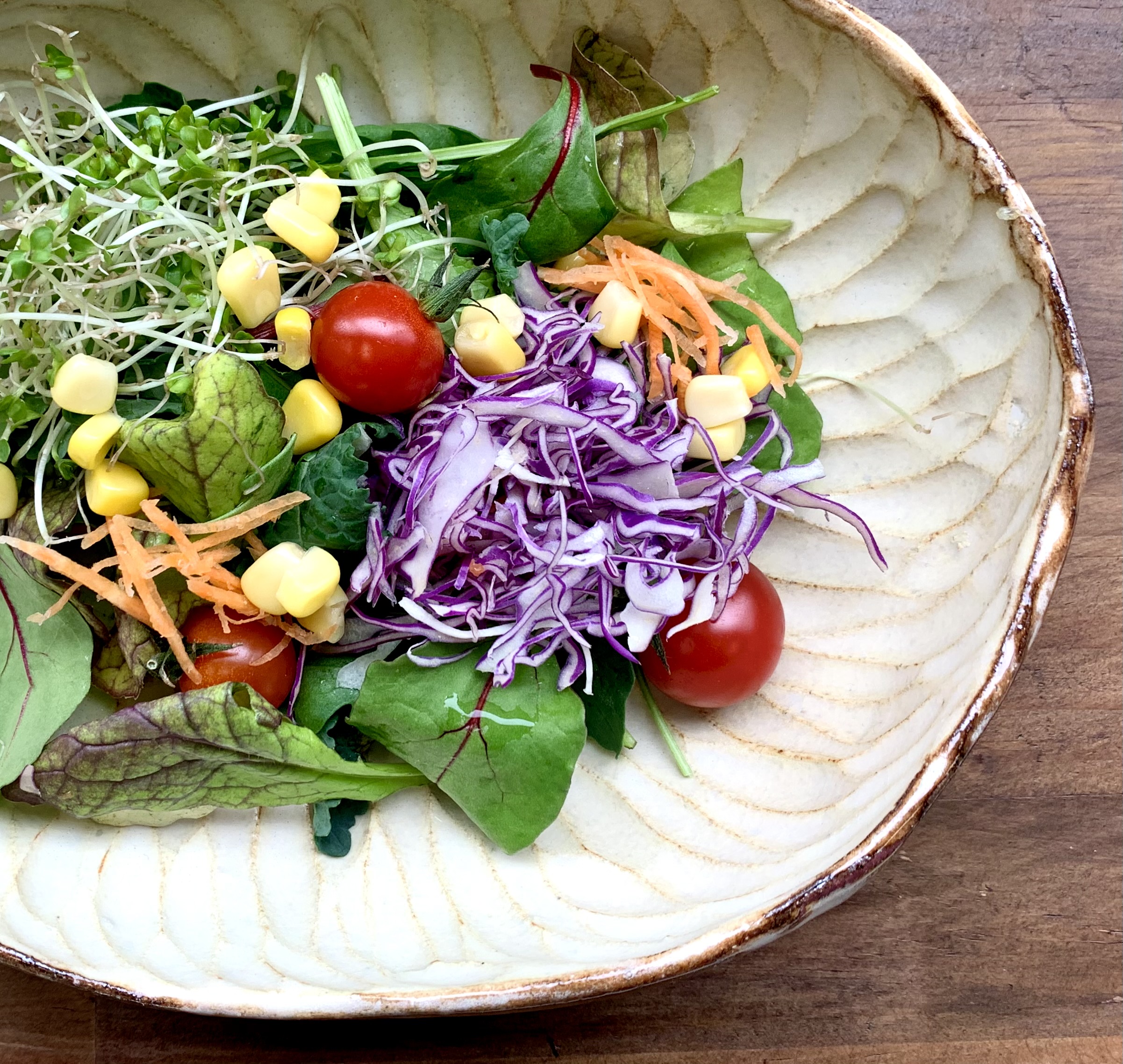
Yes. In Japan the rice bowl is an everyday shape, and many households use the same bowl for miso soup, porridge or a small salad.
Do you ship outside Japan?
Yes. Each bowl is shipped worldwide from Kyoto.