

Seto
Seto is where glaze was first used in Japan. It is also where setomono, the everyday Japanese word for ceramics, came from.
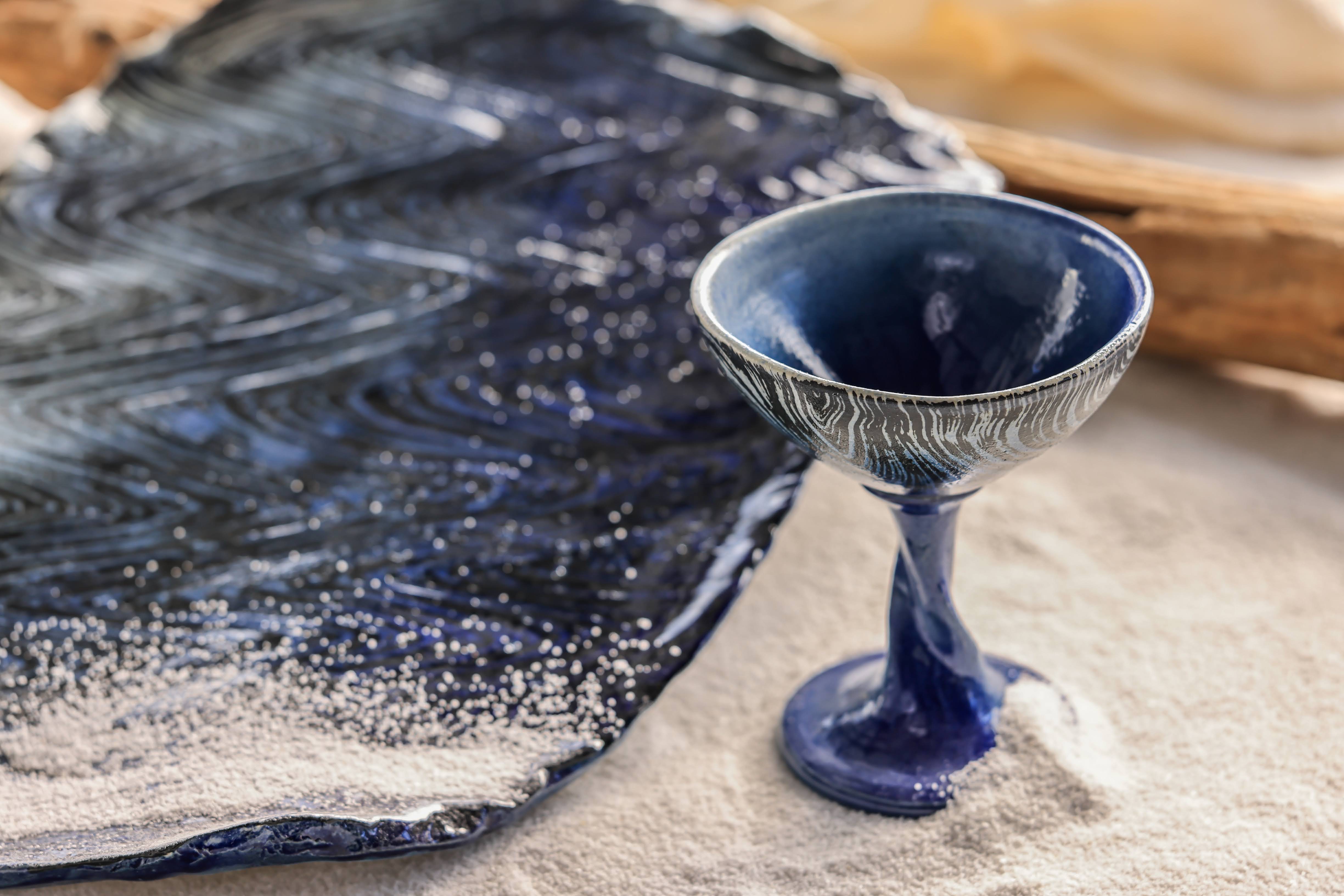
What sits here is the work of makers based in Seto. Wave forms pressed from clay, taken onto the body, then sprayed with layered glaze into a blue gradient. Pieces carved and ridged so the surface stays rough under the hand. And matte glass in white and black, made by combining blowing with kiln work. Clay and glass share the same shelf.
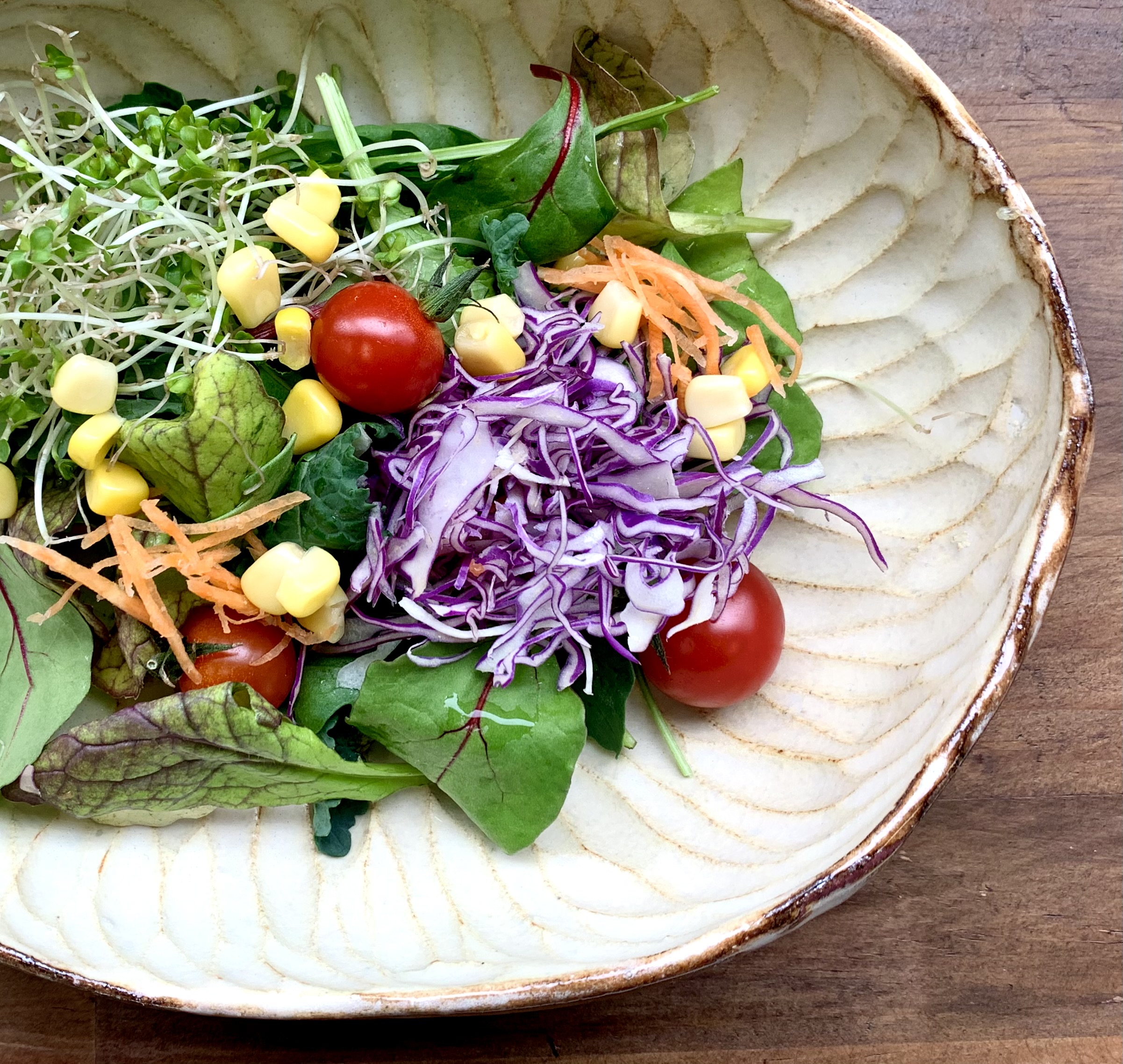
Seto became a glaze region when Chinese technique arrived in the Kamakura period. Since then ash, iron and Oribe glazes have all been worked out here. The carving that raises those ridges is shinogi, cut into half-dry clay, so the movement of the hand stays in the surface. For the history, read Seto ware.
Pickup Items

Plates
Socho Turquoise Wave Droplet Plate, Gift Boxed — Seto
¥4,400

Plates
Yoake Blue Wave Droplet Plate, Gift Boxed — Seto
¥4,400

Plates
Gengetsu White Wave Droplet Plate, Gift Boxed — Seto
¥4,400

Plates
Socho Turquoise Wave Half-Moon Plate, Gift Boxed — Seto
¥7,150

Plates
Yoake Blue Wave Half-Moon Plate, Gift Boxed — Seto
¥7,150

Plates
Gengetsu White Wave Half-Moon Plate, Gift Boxed — Seto
¥7,150

Plates
Socho Turquoise Wave Round Flat Plate, Gift Boxed — Seto
¥7,150

Plates
Yoake Blue Wave Flat Plate, Gift Boxed — Seto
¥7,150
Plates
Socho Turquoise Wave Droplet Plate, Gift Boxed — Seto
¥4,400
Plates
Yoake Blue Wave Droplet Plate, Gift Boxed — Seto
¥4,400
Plates
Gengetsu White Wave Droplet Plate, Gift Boxed — Seto
¥4,400
Plates
Socho Turquoise Wave Half-Moon Plate, Gift Boxed — Seto
¥7,150
Plates
Yoake Blue Wave Half-Moon Plate, Gift Boxed — Seto
¥7,150
Plates
Gengetsu White Wave Half-Moon Plate, Gift Boxed — Seto
¥7,150
Plates
Socho Turquoise Wave Round Flat Plate, Gift Boxed — Seto
¥7,150
Plates
Yoake Blue Wave Flat Plate, Gift Boxed — Seto
¥7,150
Related Articles
All Articles-

TATA pottery studio | The Charming Kyoto Porcelain Two People Make Together
-

Arita vs Hasami Porcelain: Why the Same White Porcelain Took Two Paths
-

Arita Pottery Fair: The Usual Dates, and How to Miss the Million-Person Crowd
-

Kyoto Pottery: Where to Buy Ceramics in Kyoto
-

Iga Pottery Festival 2026: 30 Booths, and the Home of the Donabe
-

Koishiwara Folk Pottery Village Festival 2026: Free Shuttle and Traffic


