
Brown Japanese Pottery: Unglazed, Rust and Amber Glazes Compared

Brown pottery is the color of the clay itself. Where most whites and blues are made with glaze or pigment, brown can appear simply by firing the clay with nothing on it. Much of the Japanese pottery described abroad as "earthy" or "brown Japanese pottery" is pottery that lets you enjoy this color of the earth.
Not every brown piece shows the color of its clay, though. There is the brown of fired bare clay, the brown of iron-bearing glazes, brown that shines like metal, and the brown of wood and lacquer. They are all "brown," but they feel different in the hand, suit different food, and need different care.
This guide sorts brown tableware into six groups by where the brown comes from, and covers how each one looks, what food it suits, how to choose by type of piece, and how care differs, using work by the artisans Nokaze carries now as examples.
If you would rather see the pieces first, the brown Japanese tableware collection brings together unglazed, rust-glazed, amber-glazed and wooden pieces.
Six Kinds of Brown, Sorted by Where the Color Comes From
The brown in pottery divides broadly into clay brown and glaze brown. Clay brown comes from firing without glaze, so the iron in the clay becomes the color. Glaze brown comes from a glaze containing iron or other minerals that turns brown in the kiln. Add to these the brown of wood and lacquer, which is not ceramic at all.
| Type | Where the brown comes from | How it looks | Suits someone who |
|---|---|---|---|
| Yakishime (unglazed) | Fired at high heat without glaze, the iron in the clay shows as reddish to dark brown | A rough clay surface. The markings change with the piece's position in the kiln | Wants to enjoy the texture of the clay itself |
| Natural ash glaze and ash glaze | Wood ash, or a glaze mixed from ash, melts over the piece | Yellow or green glassy runs over a brown body | Wants to choose markings that differ on every piece |
| Rust glaze (sabiyu) | An iron-rich glaze fired with its gloss held down | A matte red-brown like rusted iron | Wants a calm color for everyday use |
| Amber glaze and iron glaze | An iron-bearing glaze that fires from clear amber to dark brown | Glossy, with color pooling deep in grooves and at the rim | Wants a glossy brown that makes food look bright |
| Bronze glaze | A glaze rich in iron, copper and manganese forms crystals on the surface | A dull, bronze-like golden brown sheen | Wants to add a little light to the table |
| Wood and lacquer | The color of the wood, or layers of brown urushi lacquer | Light and warm in the hand, with a soft, quiet luster | Wants to pair pottery with something lighter |
When choosing, start by deciding whether you want to enjoy the clay surface, or the color and gloss. For the first, look at the top two; for the second, look among rust, amber and bronze glazes.
Yakishime: Unglazed, the Brown of the Clay Itself
Yakishime is pottery fired long at high heat without glaze until the clay is hard and dense. The color comes from the iron in the clay and from the flame and ash inside the kiln. Even with the same clay and the same kiln, the color changes with where a piece sits. The best-known center is Bizen ware from Okayama.
The photo below is a happo plate by Takezaki Noriyasu of Bizen. Happo, "eight directions," stands for the four cardinal points and the four between them, in other words every direction, and the shape has long been favored as auspicious and formal. The contrast between the dark brown rim and the reddish-brown center was also made by the kiln's flame, not by glaze.

The work of Shibaoka Chikara of Shibaoka Tosendo, a Bizen kiln founded in 1912, shows browns made by different firings. When a large amount of charcoal is fed into the kiln and its gases react with the iron in the clay, black, gray and blue mix into a reddish-brown ground: that is sangiri. When rice straw is wrapped around a piece that is kept out of the flame, red marks from the straw remain on a pale ground: that is hidasuki. Pine ash from the fuel that falls on a piece and melts into yellow glass is called "goma," a kind of natural ash glaze. These color changes made by the flame are known together as yohen.
When ash is not left to chance but mixed from plant ash and applied as a glaze, it is called ash glaze. The result is a brown clay body with yellow or green glaze running over it.
The vases of Yamada Yutaro of Tokoname are made with mogake, a technique in which seaweed is wrapped around the piece before firing. The seaweed leaves a pattern on the brown body like red scorch marks, and no two pieces are alike. To see only unglazed pieces, visit the yakishime pottery collection.
Rust Glaze: A Matte Brown Like Rusted Iron
Rust glaze (sabiyu) is an iron-rich glaze that gives a red-brown like rusted iron. Despite the name, the piece does not rust. The name only describes how the fired color and texture resemble rusted iron.

The rust-glazed rinka plate by Furutani Pottery in Shigaraki is a flower-shaped plate in an antique rust color. The surface is mostly matte, but where it fired hottest, such as the rim and the back, it turns greenish with a slight sheen. Each plate fires a little differently, so even the same shape laid side by side shows slightly different faces. It is a good size for one person's main dish or a one-plate meal.
The brown of rust glaze does not compete with the color of the food. Grilled meat and fish and green vegetables stand out sharply against the calm brown.
Amber and Iron Glazes: Glossy, From Amber to Dark Brown
The same iron glaze turns amber when it fires clear and glossy. Glazes colored by iron are called iron glazes as a group, and the more iron they contain, the more they move from amber to dark brown and on to black. A tea bowl fired black with iron glaze is tenmoku. The ripple sweet plate by Mino Daisuke below is a rectangular amber plate with a leaf-like wave pattern over its whole surface. Glaze pools in the carved grooves and darkens, while the ridges stay light, giving light and shadow within the same amber. Thanks to the ridges, food does not stick flat to the plate and moisture does not collect, which makes it easy to use. It suits side dishes, serving plates and sashimi.

The katakuchi pourer by "Utsuwa no Yukue," a studio working in Kanagawa Prefecture, next to Tokyo, layers a dark brown onita glaze over a beige unofu glaze. Onita is an iron-rich earth that fires dark brown. Where the two glazes overlap, a gradation forms, and every piece has a different face.
Iron is used not only in glaze but also as a paint. Lines or pictures drawn in iron under the glaze are tetsue: applied over a surface, iron is a glaze; laid down as a line, it is a painting.

Bronze Glaze: Brown That Shines Like Metal
Glazes rich in iron, copper and manganese form fine crystals on the surface as they cool and take on a dull sheen like bronze. Glazes like these are called metallic glazes as a group. No real metal is used, so in the hand they have the weight and feel of ceramics.
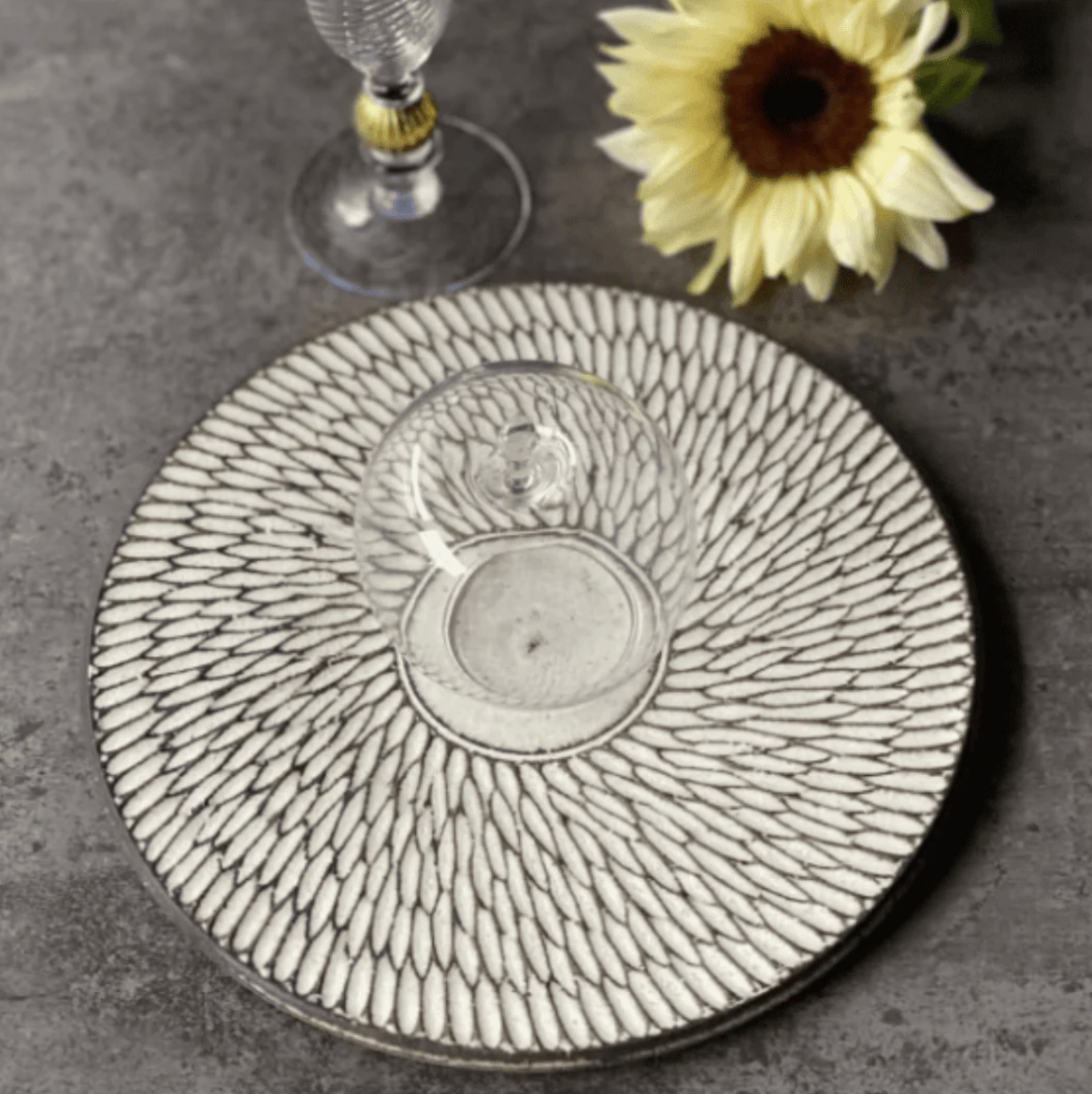
The bronze-glazed plates by Maeda Asami are a series of lobed, flower-shaped plates with a raised floral scroll pattern (yokoku, a pattern molded in relief). Light catches the raised pattern while the hollows fall into shadow, so the pattern reads clearly even in a single brown. With use, the surface becomes softer and more mellow.
Wood and Lacquer: A Brown That Isn't Clay
Brown tableware includes wooden pieces as well as ceramics. Wood is lighter than pottery, and even with hot food in it, little heat reaches your hand.
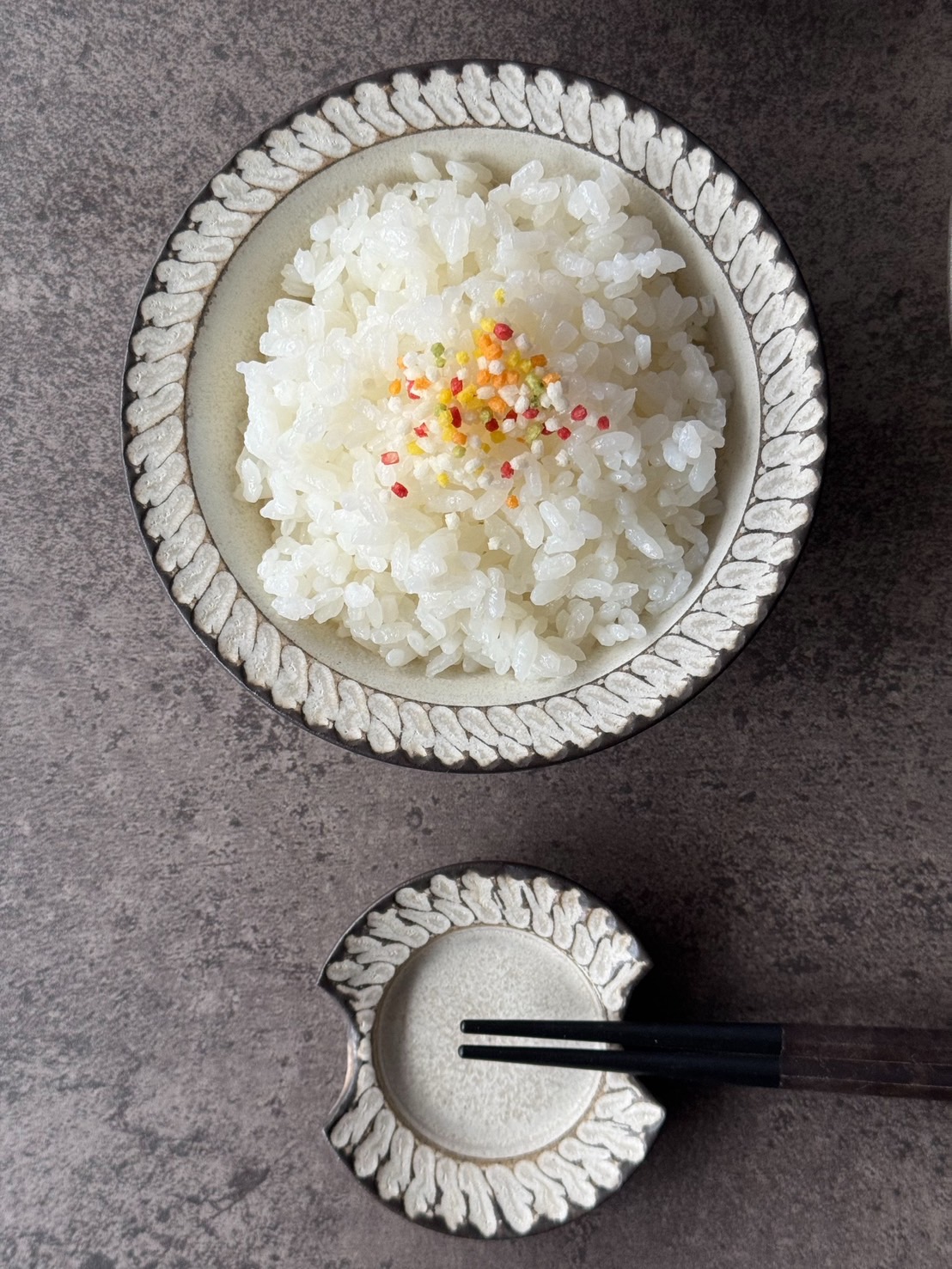
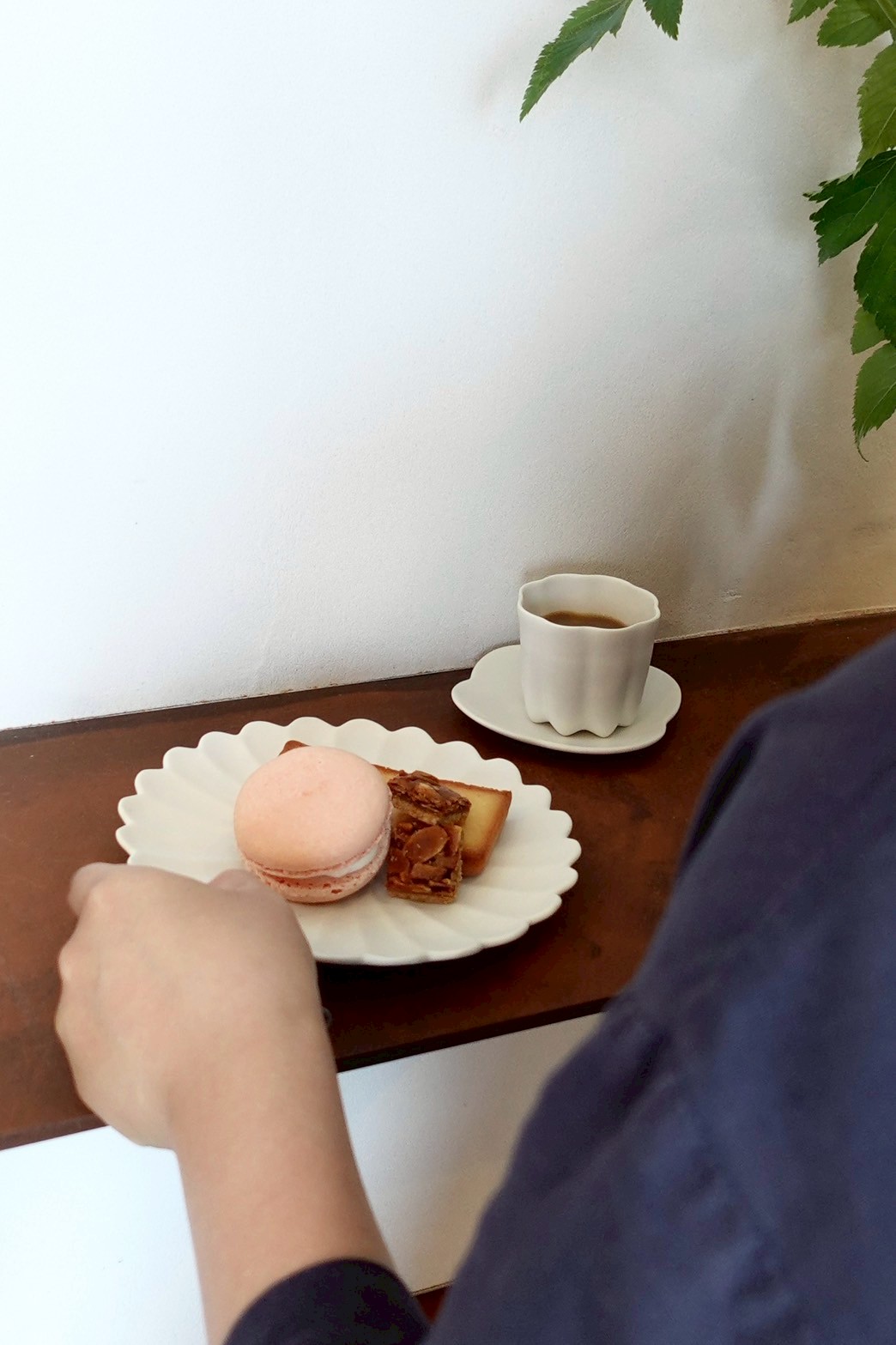
The 8-sun rim plate (about 24 cm) by Sugawara Hiroyuki in the first image of this article is wood finished in brown urushi lacquer. The rim keeps juicy dishes from spilling, so it works for a one-plate meal or as a plate for the main dish for two or three people. How urushi works is explained in our article on lacquerware.
The reverse also exists: pieces that look like wood but are made of clay. The "wood plate" by Kawasumi Tomokazu of Kasama is pottery with a wood-grain pattern carved into the clay one plate at a time. Side by side in photos it can be hard to tell from wood, so check the material on the product page.
Brown Pottery and Food
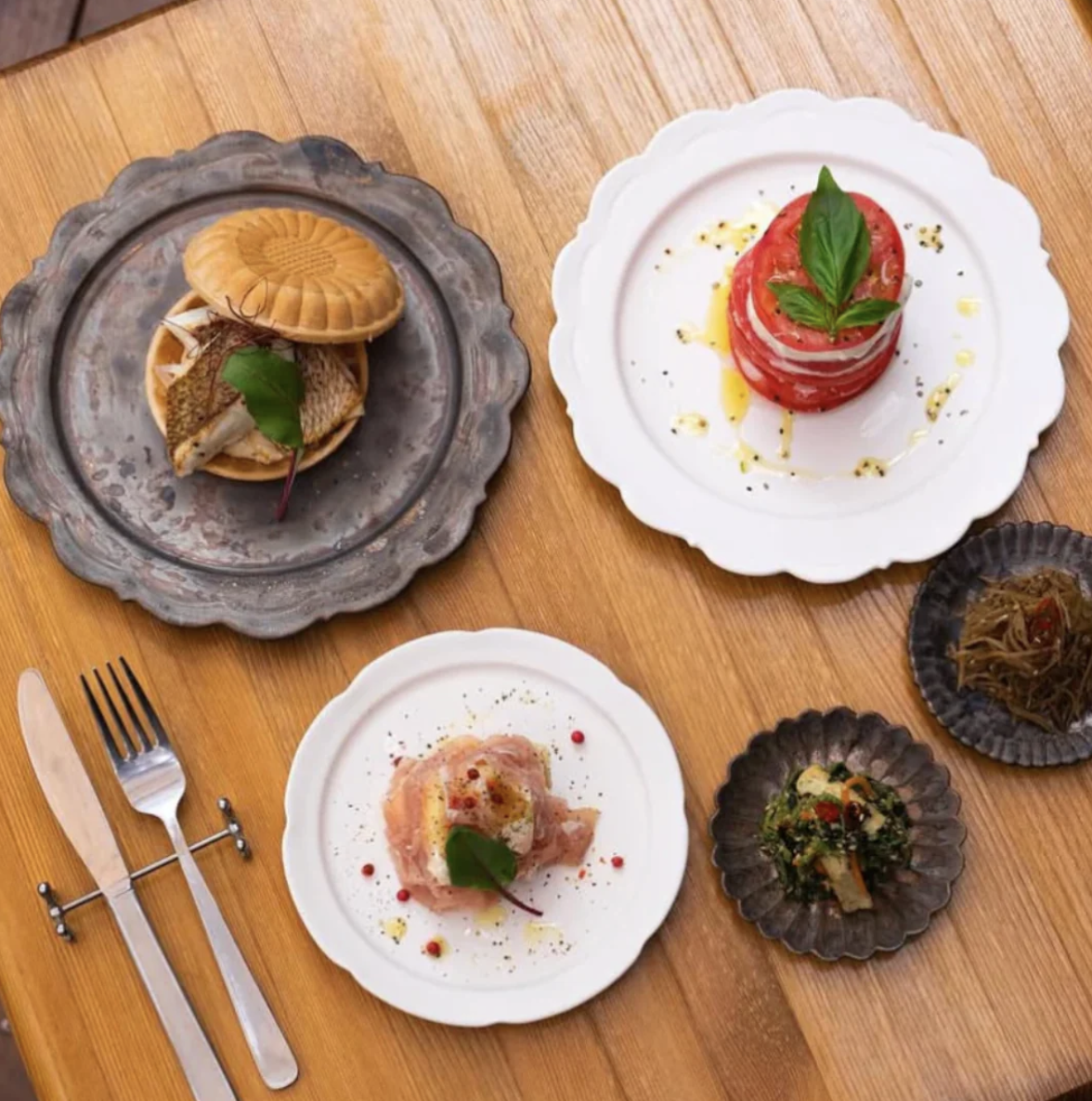
Brown is a color that brings out the greens, whites and reds in food. Leafy greens, tofu, white fish, tomatoes and carrots all show a crisp outline on brown. Because it is the color of the earth, brown pottery also looks natural next to vegetables and grains.
- Salads, leafy greens, tofu Green and white look their best on the matte brown of yakishime or rust glaze
- Sashimi, wagashi A small portion on glossy amber glaze looks brighter
- Bread, baked sweets, a one-plate breakfast Rust-glazed and wooden plates suit Western food too
- Sake, flowers Unglazed sake ware and vases from Bizen or Tokoname let the clay surface take the lead
On the other hand, brown food such as simmered dishes or grilled fish tends to look dull on brown pottery. In that case, choose a glossy amber glaze, or put a white plate underneath to sharpen it. Pairing with blue tableware is another way to lift brown food.
How to Choose by Type of Piece
| Piece | Recommended brown | What to look for |
|---|---|---|
| Side plates and small plates | Amber glaze, bronze glaze | Glossy or patterned brown looks best with small portions. Start from around 5 sun (about 15 cm) |
| Main-dish plates and one-plate meals | Rust glaze, yakishime, wood and lacquer | 7 sun (about 21 cm) or more. For saucy dishes, choose a rim or some depth |
| Rice bowls and bowls | Yakishime, amber glaze | Choose yakishime by how the clay feels in your hand |
| Sake ware and vases | Yakishime, natural ash glaze, iron glaze | Pieces chosen for their markings. Decide on a front and look for the side you like best |
How to think about plate sizes is covered in choosing Japanese plates, and choosing an everyday mug in Japanese ceramic mugs. If you are looking for unglazed sake ware or plates, see the Bizen ware collection too.
Caring for Brown Pottery: It Depends on Clay, Glaze or Lacquer
Care for brown pottery depends not on the color but on the body and the finish.
- Yakishime With no glaze, it absorbs water, so dipping it in water before use keeps food colors and smells from soaking in. After washing, let it dry well before putting it away
- Rust, iron and other glazes with crazing Some artisans have already sealed their pieces against water, and in that case they ask you not to do medome, such as simmering the piece in rice water. Follow the notes on the product page
- Wood and lacquer As a rule, lacquerware does not go in the microwave or dishwasher. After washing, wipe off the water and let it dry
The surface of yakishime takes on a soft sheen with use. This is not dirt but part of how pottery grows. Whether a piece can go in the microwave or dishwasher differs by artisan and piece, so see our article on microwave and dishwasher use for how to tell. Care for each type of body is covered in stoneware care.
Related Reading
Techniques and glazes that make brown
- Yakishime: Unglazed Pottery Fired to Its Limit
- Sabiyu Rust Glaze: Iron Brown Like Weathered Metal
- Tetsue: Iron Painting Under the Glaze That Fires Brown
- Tenmoku: The Black Tea Bowl Where Iron Glaze Flows
- Amber Glaze (Ameyu): The Iron Glaze That Fires to Amber, for Everyday Pottery
- Ash Glaze (Haiyu): The Origin of High-Fired Japanese Glazes
- Shizen-yu: Natural Ash Glaze Explained
- Metallic Glaze: A Metal Sheen Made Without Metal
Regions and materials
- Bizen Ware: Pottery With No Glaze at All
- Shigaraki Ware: Why Its Clay Sparkles After 1,200 Years
- Pottery Clay vs Porcelain Clay: How Clay Shapes a Piece
- Urushi Lacquerware: How Japanese Lacquer Is Made
Shop
- Brown Japanese Tableware | Earth-Toned Clay & Wood
- Yakishime | Unglazed Japanese Stoneware Fired in Wood Kilns
- Bizen Pottery | Unglazed Japanese Stoneware from Okayama
- Shigaraki Ware | Handmade Shigaraki Pottery from Japan
Bring the Color of the Earth to Your Table
The brown of yakishime marked by fire, rust glaze like weathered iron, clear amber glaze, softly shining bronze glaze, and light wood and lacquer. Even within one color, each piece changes the look of the table completely. At Nokaze, you can browse brown pottery made by artisans and kilns, from plates and bowls to sake ware and vases, all in one place.
Shop Brown Japanese TablewareFAQ
What is the difference between yakishime and rust glaze?
What food goes well on brown pottery?
Does yakishime pottery need anything before use?
Shop the related pieces
Brown Japanese Tableware
93 pieces See all


Unglazed Stoneware
97 pieces See all
Bizen Ware Artist Fujiwara Akira
Hikidashi-guro Skull Sake Cup — Bizen Ware
¥20,000
Japanese Sake Ware

Bizen Ware Artist Fujiwara Akira
Hikidashi-guro Bamboo Plate — Bizen Ware
¥20,000
Plates

Shimizu Yayoi
Hidasuki Mosaic Bread Plate — Bizen Ware
¥5,500
Plates

Shimizu Yayoi
Hidasuki Small Round Plate, Stroke — Bizen Ware
¥1,320
Plates
New to Japanese pottery? Start here — its history, how pottery differs from porcelain, the clays and glazes behind each style, and how to care for a piece. → Japanese Pottery: The Complete Guide